As students transition into 6th grade, they are introduced to more complex mathematical concepts that build upon their foundational knowledge. To help them navigate these new ideas, teachers often rely on visual aids like anchor charts. These charts serve as a quick reference guide, outlining key terms, formulas, and processes in a clear and concise manner. By using 6th grade math printable anchor charts, educators can create a more engaging and interactive learning environment that fosters student participation and understanding.
The use of anchor charts in math education has gained popularity over the years due to their versatility and effectiveness. Not only do they provide students with a handy study tool, but they also encourage collaboration and discussion among peers. When designed correctly, these charts can help break down intricate concepts into manageable chunks, making it easier for students to grasp and retain the information. Moreover, anchor charts can be tailored to cater to different learning styles, ensuring that all students have an equal opportunity to succeed.
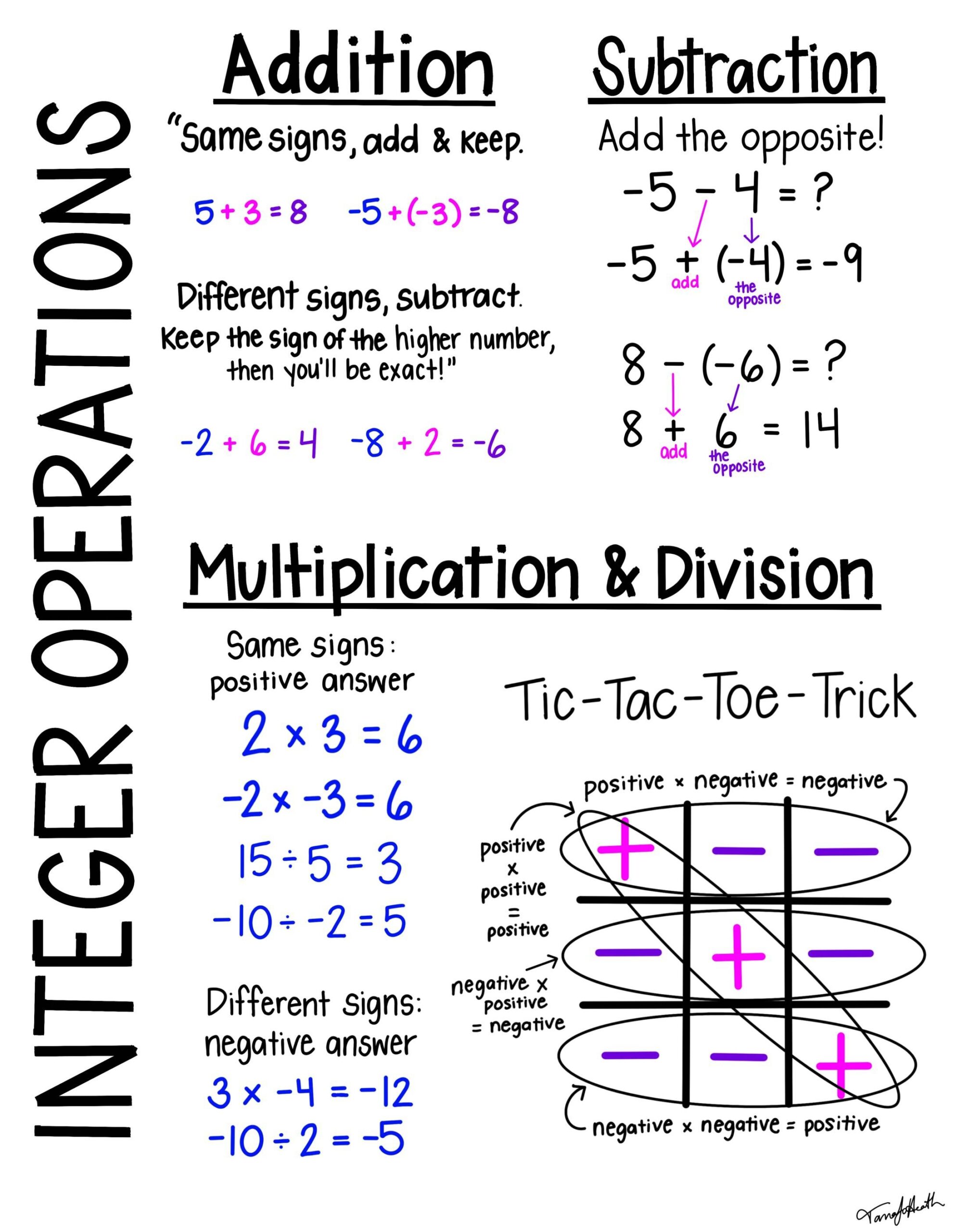
6th Grade Math Integers Integer Operations Notes Anchor Charts
Benefits of Using Anchor Charts in 6th Grade Math
One of the primary benefits of using anchor charts in 6th grade math is that they help to reinforce key concepts and vocabulary. By displaying these charts prominently in the classroom, teachers can ensure that students are constantly exposed to essential terms and formulas, reinforcing their understanding and retention of the material. Additionally, anchor charts can be used to introduce new topics, providing a clear and concise overview of the subject matter and helping to build a strong foundation for further learning.
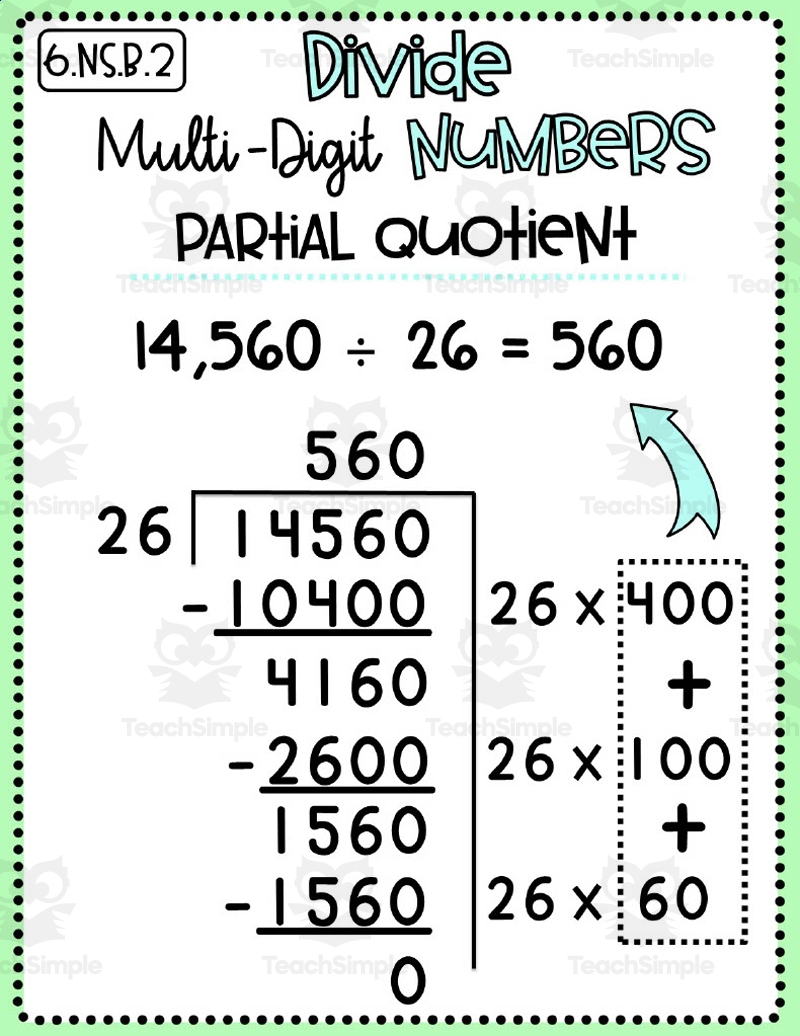
6th Grade Math Anchor Charts By Teach Simple
Popular Topics Covered by 6th Grade Math Anchor Charts
6th grade math anchor charts typically cover a range of topics, including fractions, decimals, percentages, geometry, and algebra. These charts often feature diagrams, illustrations, and examples to help students visualize complex concepts and relationships. Some popular topics covered by anchor charts include equivalent ratios, proportionality, and basic algebraic expressions. By using these charts, teachers can provide students with a comprehensive understanding of these topics, making it easier for them to apply their knowledge in problem-solving scenarios.
Tips for Creating Effective 6th Grade Math Anchor Charts
To create effective 6th grade math anchor charts, teachers should consider several key factors. Firstly, the charts should be visually appealing and easy to read, using clear headings, bullet points, and concise language. Secondly, they should be tailored to the specific needs and abilities of the students, taking into account any learning difficulties or disabilities. Finally, the charts should be regularly updated and revised to reflect changing curriculum requirements and student needs. By following these tips, educators can create anchor charts that are both informative and engaging, providing students with a valuable resource for learning and revision.
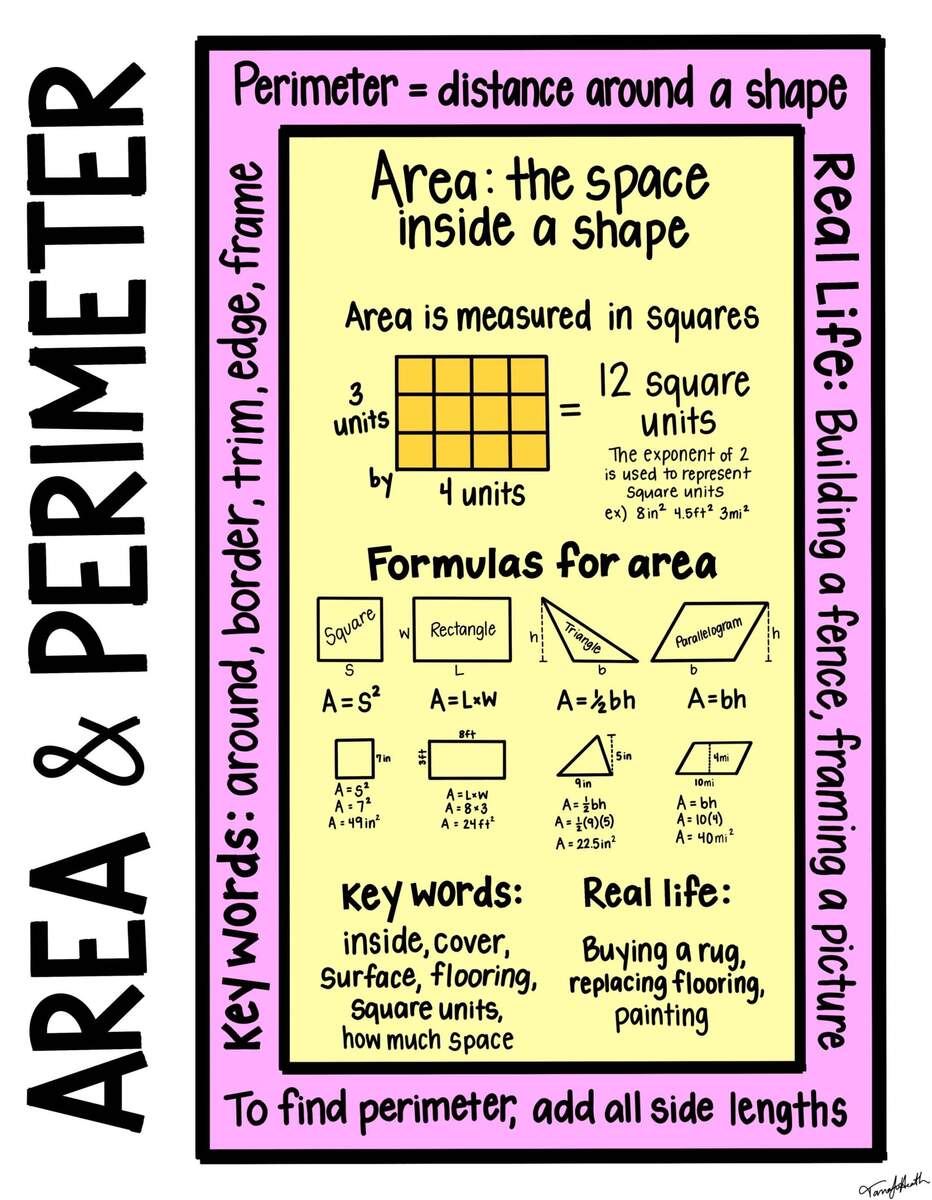
6th Grade Math Geometry Notes Anchor Charts By Life In Room 12
In conclusion, 6th grade math printable anchor charts are a valuable resource for teachers and students alike. By providing a quick and easy reference guide to key concepts and vocabulary, these charts can help to boost student engagement and understanding, leading to improved academic outcomes. With their versatility, effectiveness, and ease of use, it’s no wonder that anchor charts have become an essential tool in many math classrooms. Whether you’re a seasoned educator or just starting out, incorporating 6th grade math anchor charts into your teaching practice can have a significant impact on student learning and success.
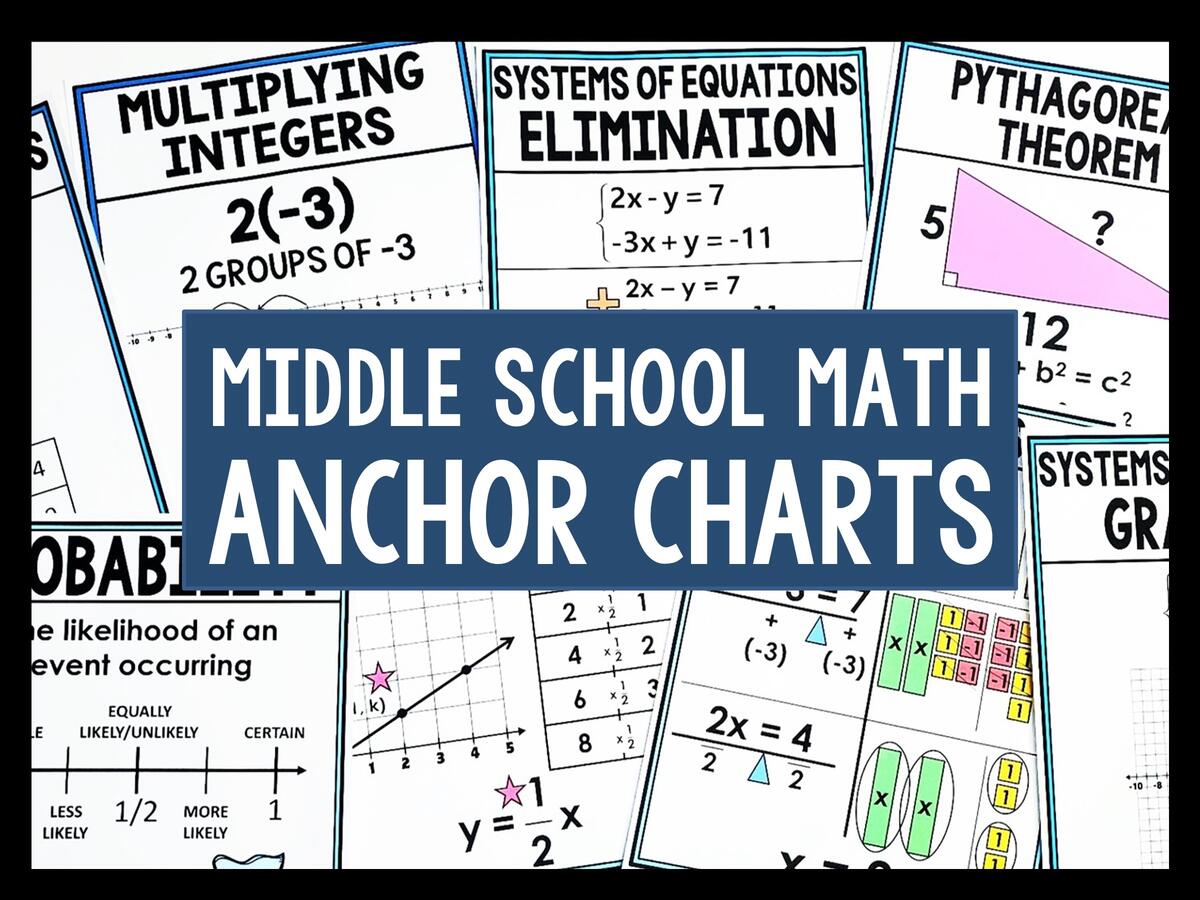
Middle School Math Anchor Charts Make Sense Of Math
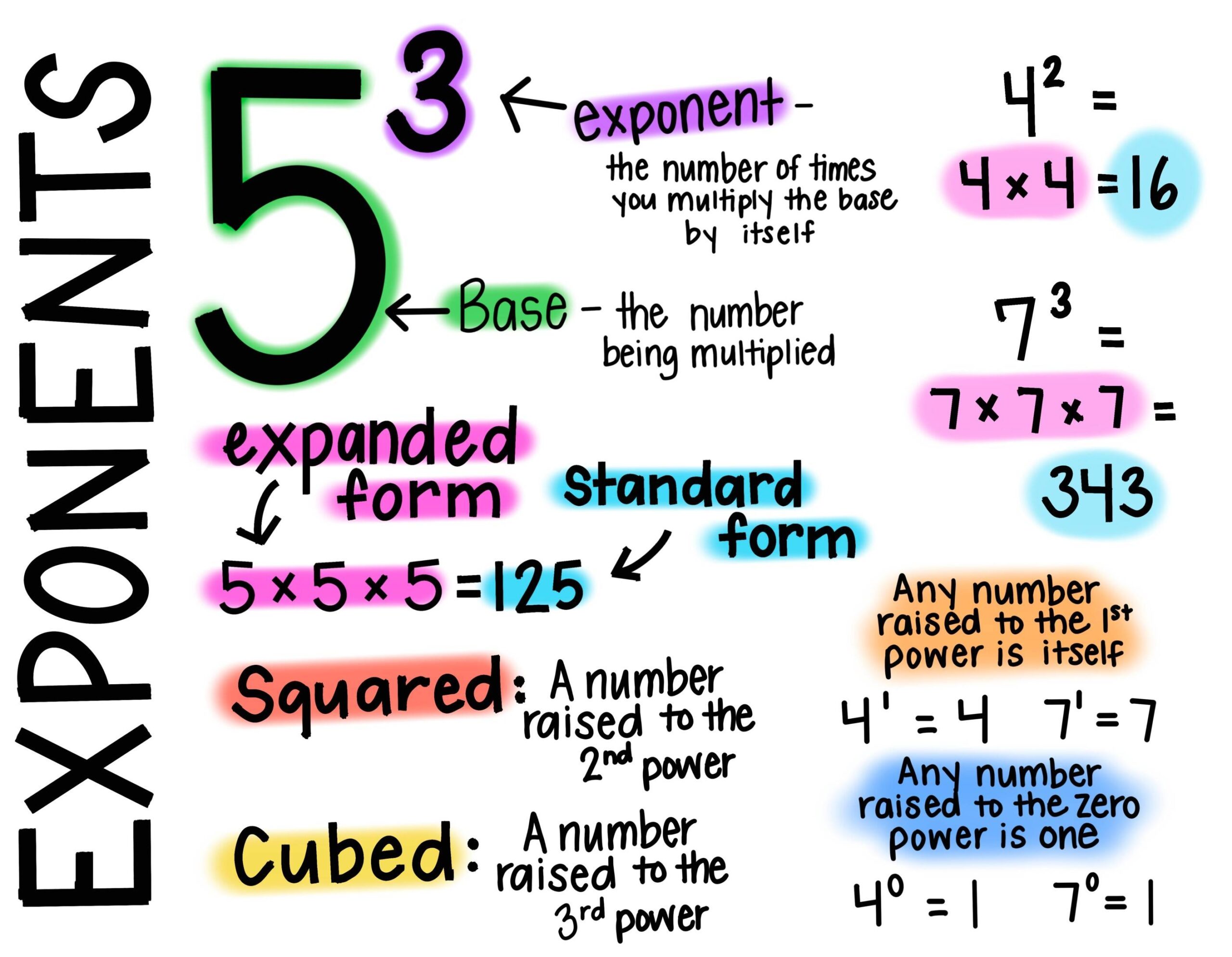
6th Grade Math Exponents Notes Anchor Chart By Life In Room 12