Literary devices such as similes and metaphors are essential components of language, allowing authors to convey complex ideas and emotions in a creative and expressive manner. To fully appreciate and analyze these literary devices, students need to understand their definitions, functions, and applications. This is where free printable anchor charts come into play, providing a visual and interactive way to explore similes and metaphors.
Anchor charts are versatile tools that can be used in various educational settings, from elementary school to college. They offer a collaborative and engaging way to learn about literary devices, making them an excellent resource for teachers and students alike. By using free printable anchor charts, educators can create a stimulating and interactive learning environment that fosters critical thinking, creativity, and effective communication.
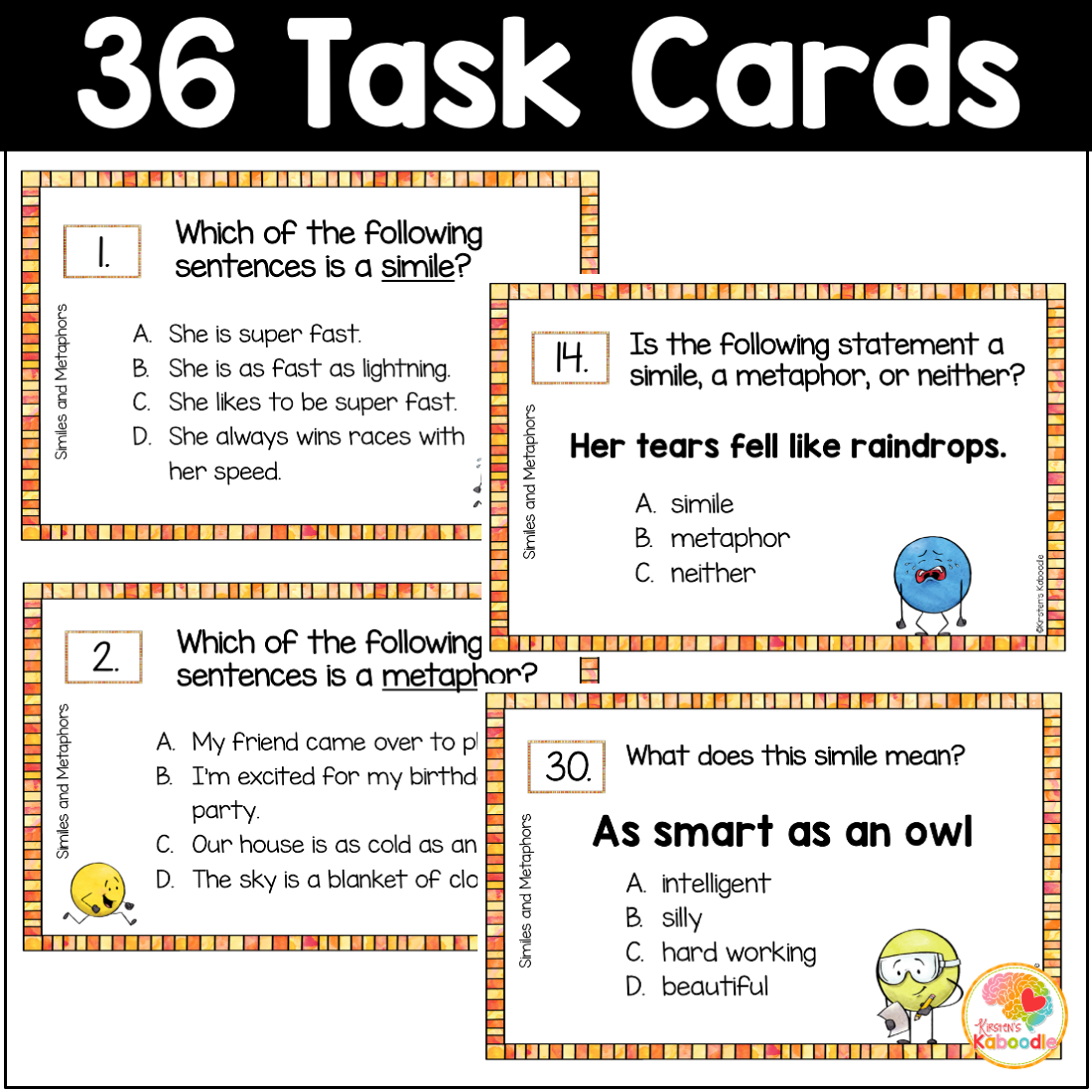
Similes And Metaphors Anchor Charts Task Cards And Worksheets Figurative Language Made By Teachers
Understanding Similes and Metaphors
Similes and metaphors are two of the most commonly used literary devices in language. Similes compare two unlike things using ‘like’ or ‘as,’ while metaphors make a direct comparison without using these words. Understanding the differences between similes and metaphors is crucial for analyzing literary texts and identifying the author’s intended meaning. Free printable anchor charts can help students visualize and distinguish between these literary devices, making it easier to apply them in their own writing and analysis.
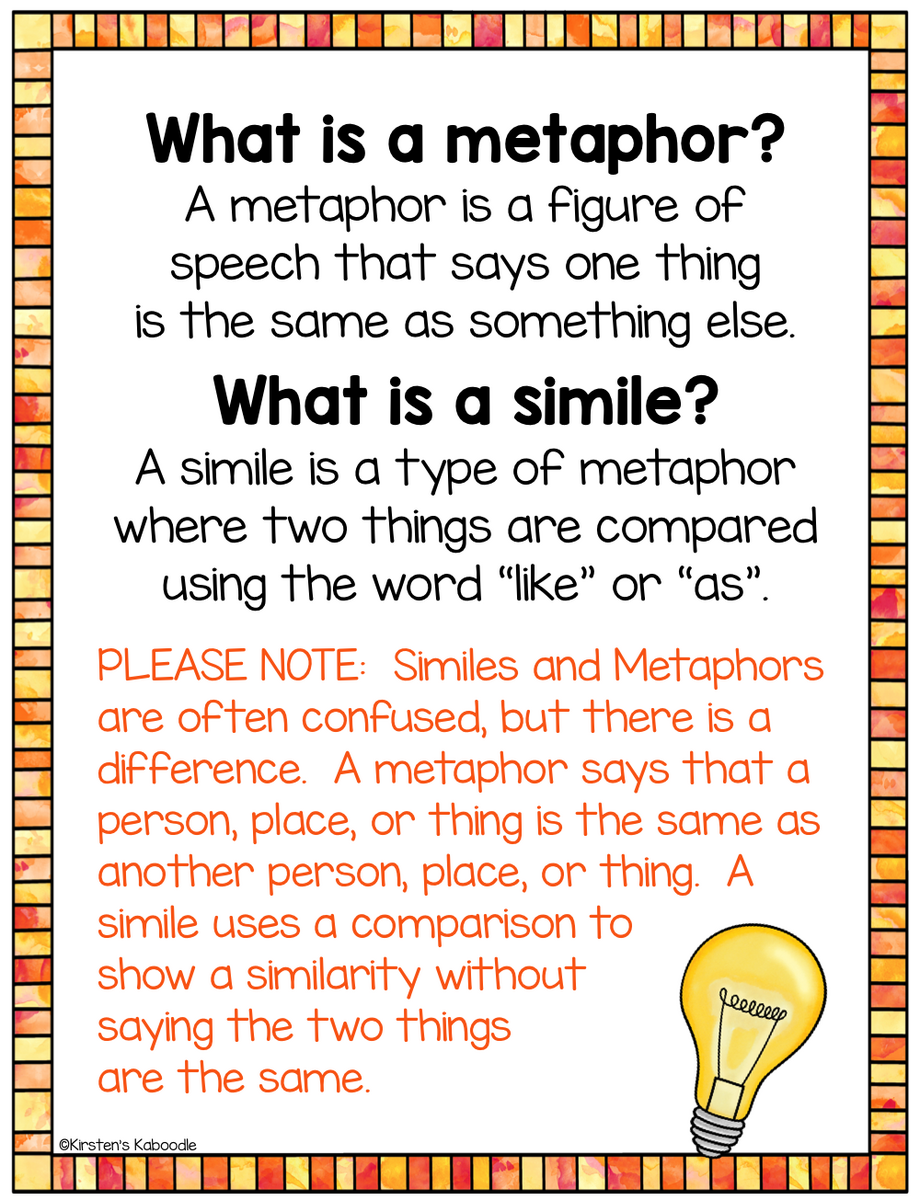
FREE Figurative Language Bell Ringer Warm Ups Made By Teachers
Benefits of Using Anchor Charts
The benefits of using anchor charts in the classroom are numerous. They provide a clear and concise visual representation of complex concepts, making it easier for students to understand and retain information. Anchor charts also encourage collaboration, critical thinking, and creativity, as students work together to analyze and interpret literary texts. Additionally, free printable anchor charts can be customized to fit specific teaching needs and styles, making them a versatile and valuable resource for educators.
Creating Effective Anchor Charts
Creating effective anchor charts requires careful planning and consideration of the learning objectives and outcomes. Teachers should begin by identifying the key concepts and skills they want students to learn, and then design the anchor chart accordingly. The chart should be clear, concise, and visually appealing, with ample space for notes, examples, and illustrations. Free printable anchor charts can be tailored to fit specific teaching needs, and can be used in conjunction with other educational resources to create a comprehensive and engaging learning experience.
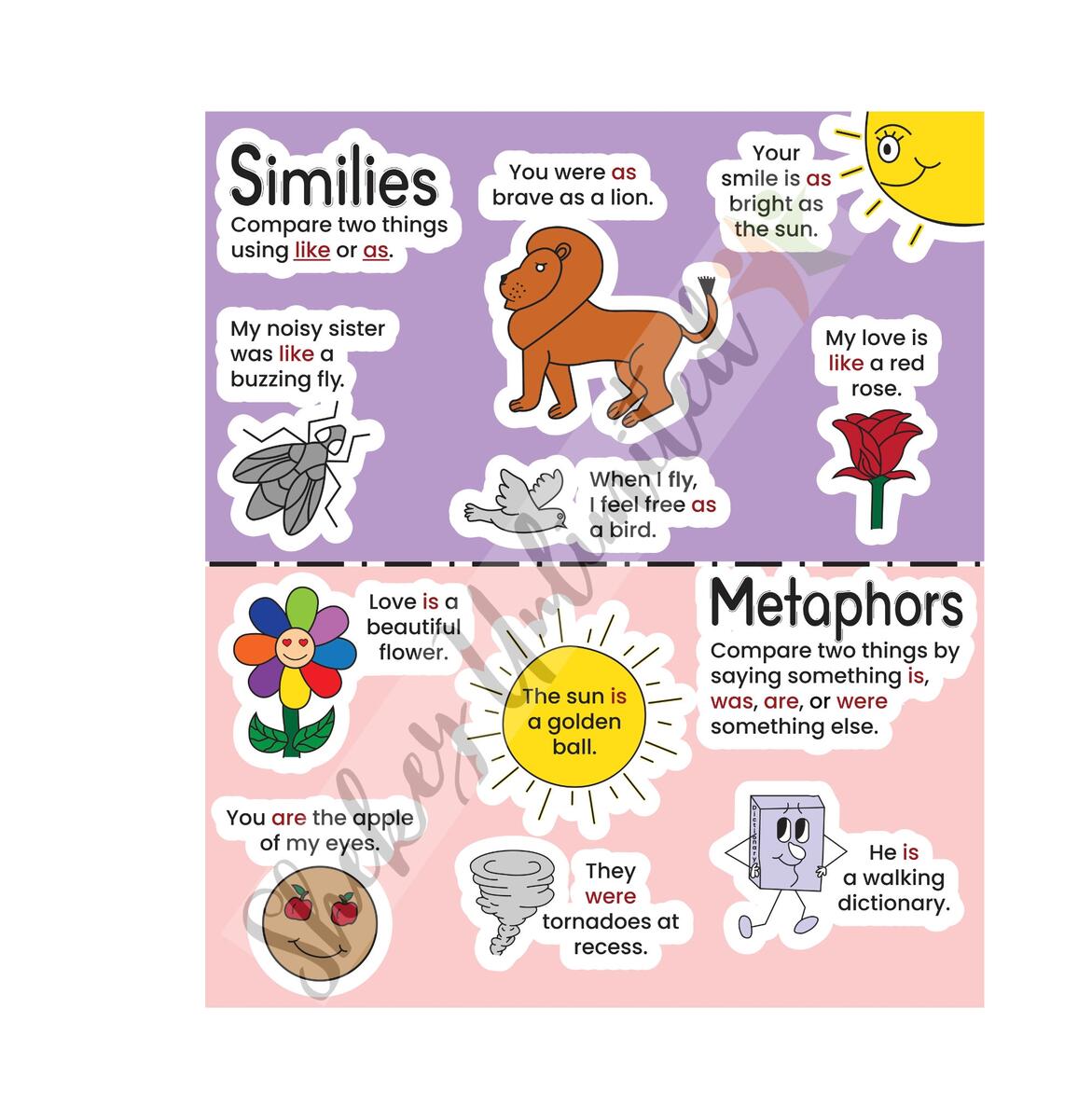
Simile And Metaphor Anchor Chart ELA Classroom Poster Figurative Language Laminated Educational English Poster 24×28 Etsy Israel
By incorporating free printable anchor charts into their teaching practice, educators can create a more interactive and engaging learning environment that fosters a deeper understanding of similes and metaphors. These visual tools can be used to analyze literary texts, identify and explain literary devices, and develop critical thinking and creative writing skills. With the numerous benefits and applications of anchor charts, it’s no wonder they’re becoming an essential resource for teachers and students alike.
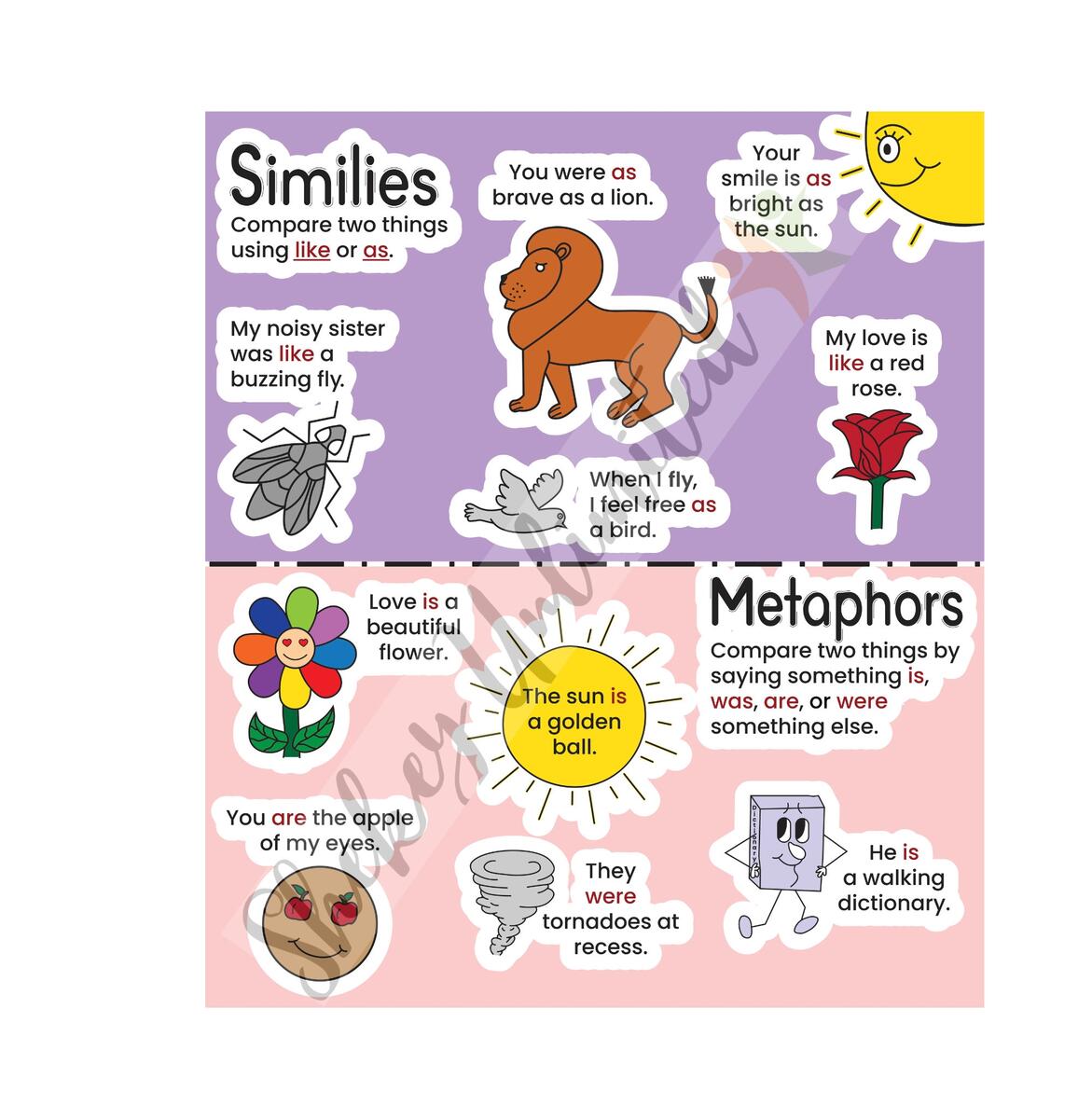
Simile And Metaphor Anchor Chart ELA Classroom Poster Figurative Language Laminated Educational English Poster 24×28 Etsy Israel
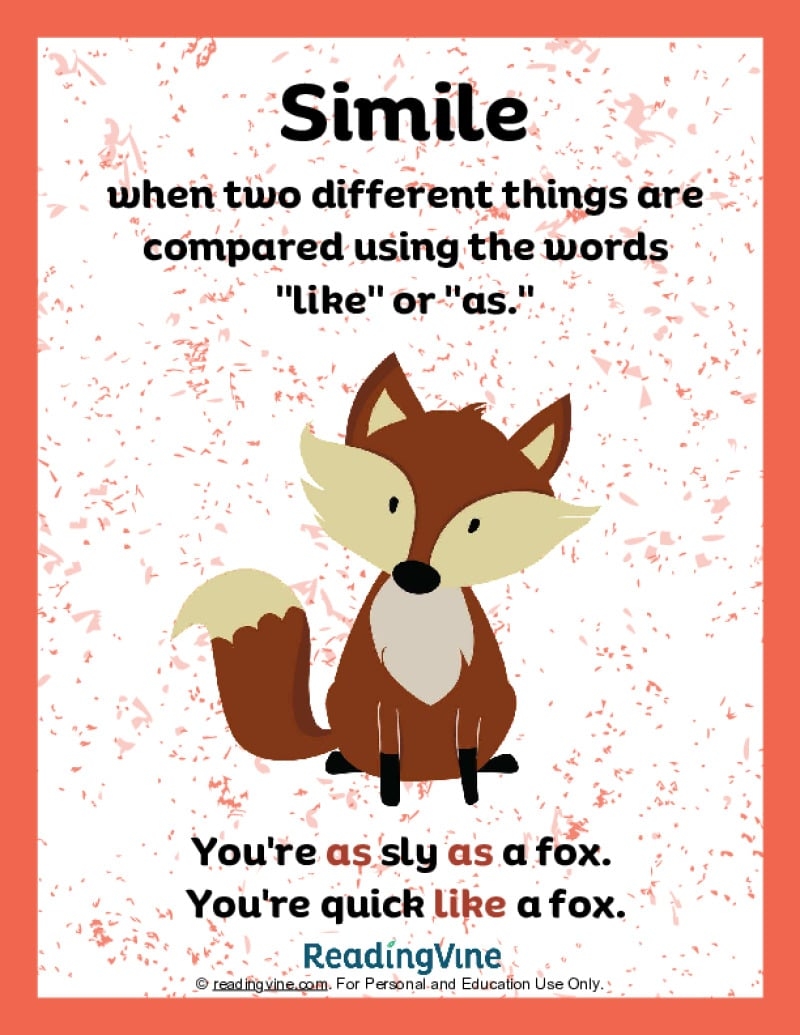
Figurative Language Anchor Chart ReadingVine