Emotions play a significant role in our daily lives, and it’s essential to teach children how to recognize, understand, and manage their feelings from a young age. A feelings chart is an excellent tool to help students identify and express their emotions in a healthy way. By using a feelings chart in the classroom, teachers can create a safe and supportive environment where students feel comfortable sharing their emotions.
The classroom is an ideal place to introduce children to the concept of emotions and how to deal with them. By teaching emotional intelligence, teachers can help students develop essential life skills, such as self-awareness, self-regulation, and empathy. A feelings chart can be a valuable resource in this endeavor, providing a visual aid that helps students connect with their emotions and develop a vocabulary to express them.
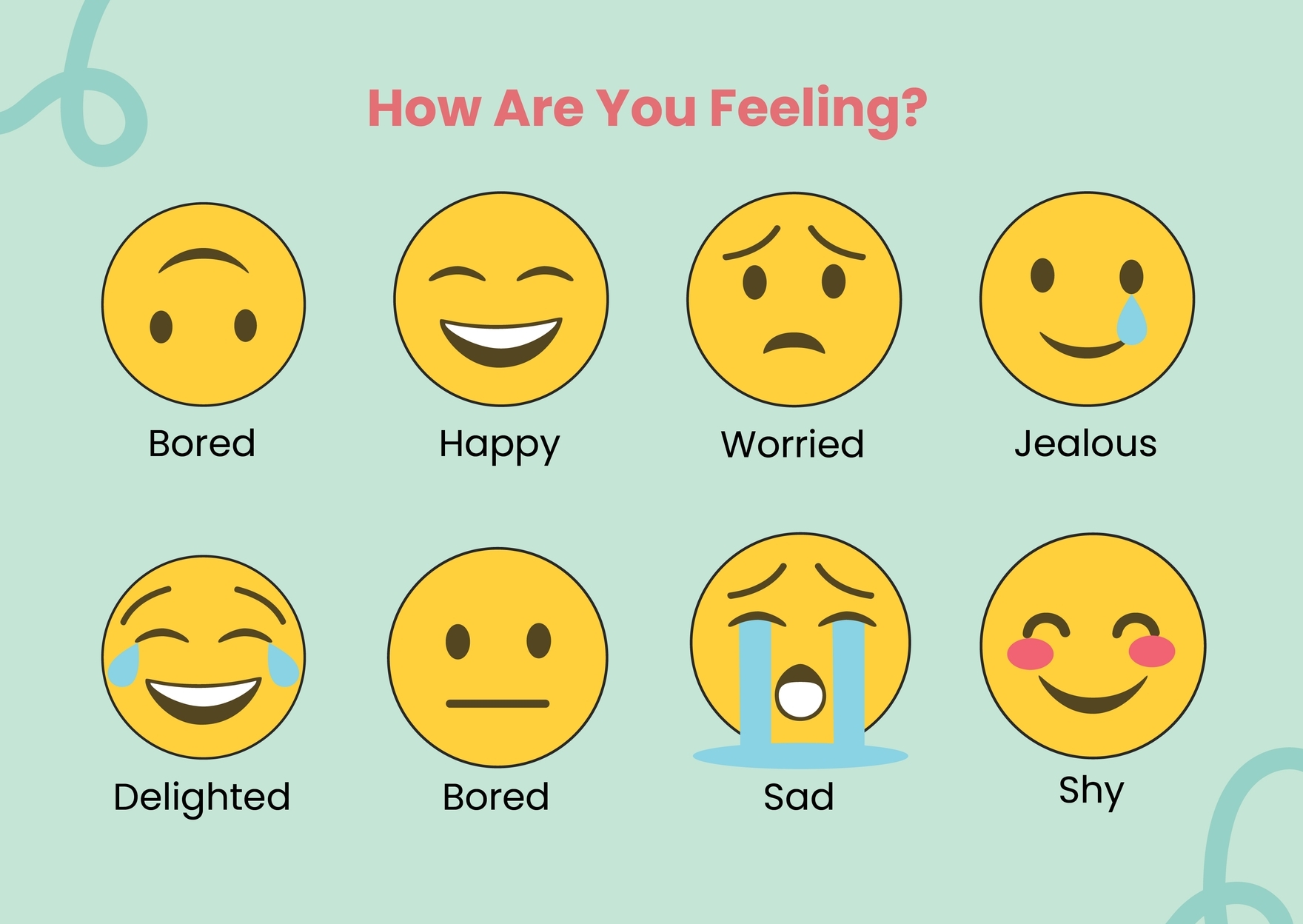
Free Feelings Chart Templates Editable And Printable
What is a Feelings Chart?
A feelings chart is a visual tool that displays different emotions, such as happy, sad, angry, and scared, along with corresponding images or facial expressions. This chart helps students identify and label their emotions, making it easier for them to communicate their feelings to others. By using a feelings chart, teachers can create a common language that students can use to express themselves, promoting emotional awareness and intelligence.
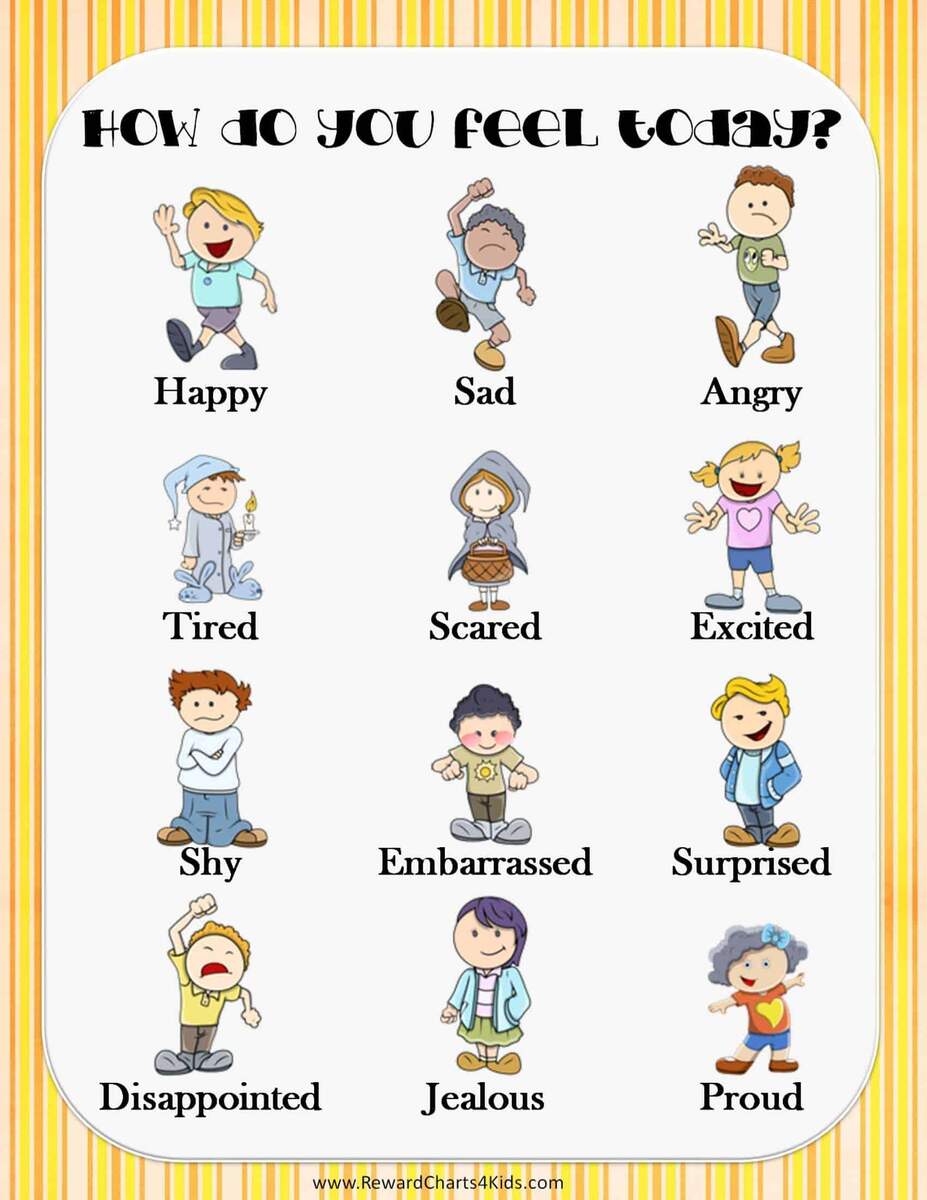
FREE Feeling Chart For Kindergarteners With Photos
Benefits of Using a Feelings Chart in the Classroom
The benefits of using a feelings chart in the classroom are numerous. For one, it helps students develop emotional awareness, which is critical for building strong relationships and achieving academic success. A feelings chart also provides a safe outlet for students to express their emotions, reducing the likelihood of behavioral problems and improving overall classroom management. Additionally, it encourages empathy and understanding among students, fostering a positive and supportive classroom environment.
How to Implement a Feelings Chart in Your Classroom
Implementing a feelings chart in your classroom is relatively straightforward. Start by introducing the chart to your students and explaining its purpose. Encourage them to use the chart to identify and express their emotions, and provide opportunities for them to share their feelings with the class. You can also use the chart to teach emotional regulation strategies, such as deep breathing or counting, to help students manage their emotions in a healthy way.
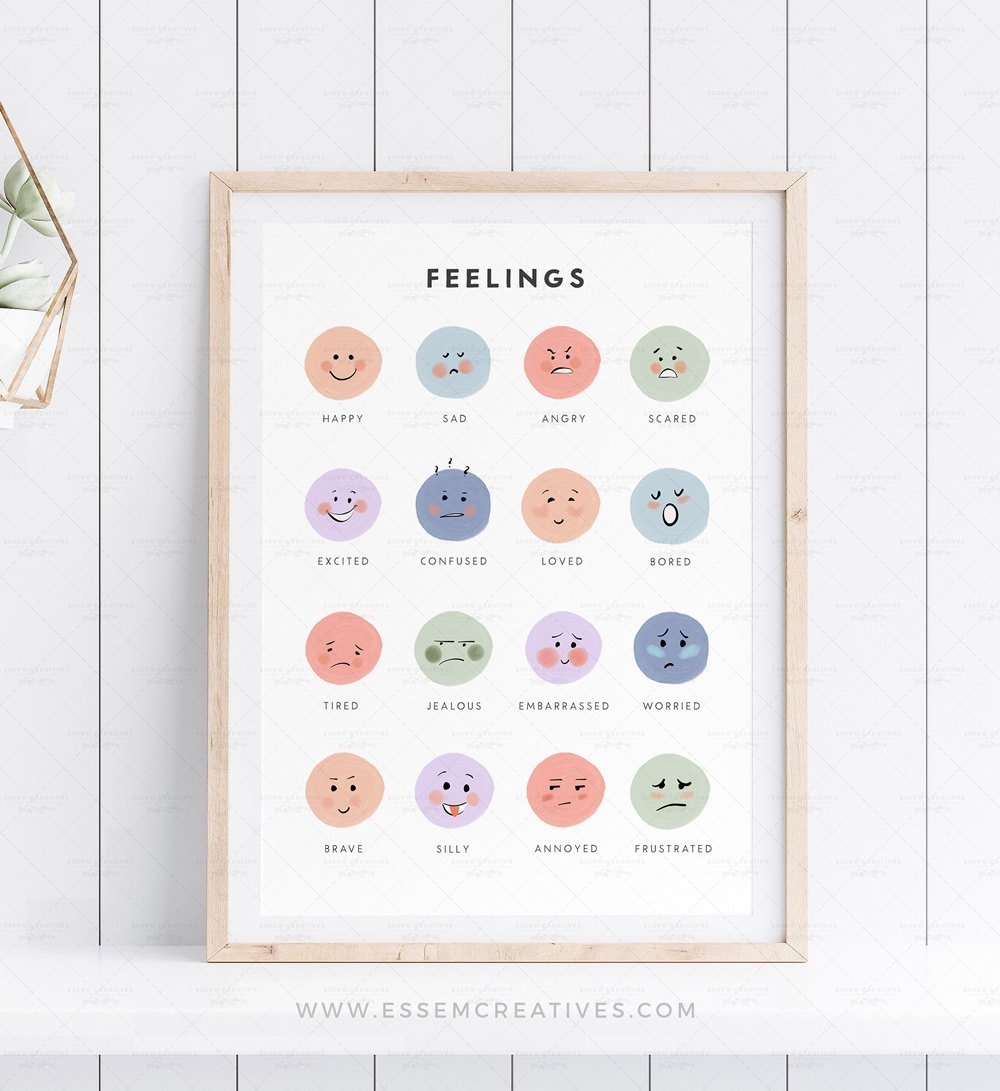
Feelings Poster For Kids Printable Emotions Chart For Preschool Classroom Homeschool Educational Poster Toddlers Playroom Decor RNBW Essem Creatives Watercolor Clipart Business Branding
By incorporating a feelings chart into your classroom, you can create a positive and supportive environment that promotes emotional intelligence and well-being. Remember to be patient and consistent when teaching emotional awareness, and provide opportunities for students to practice using the chart. With time and practice, your students will become more confident in expressing their emotions, leading to better relationships, improved academic performance, and a more positive overall classroom experience.
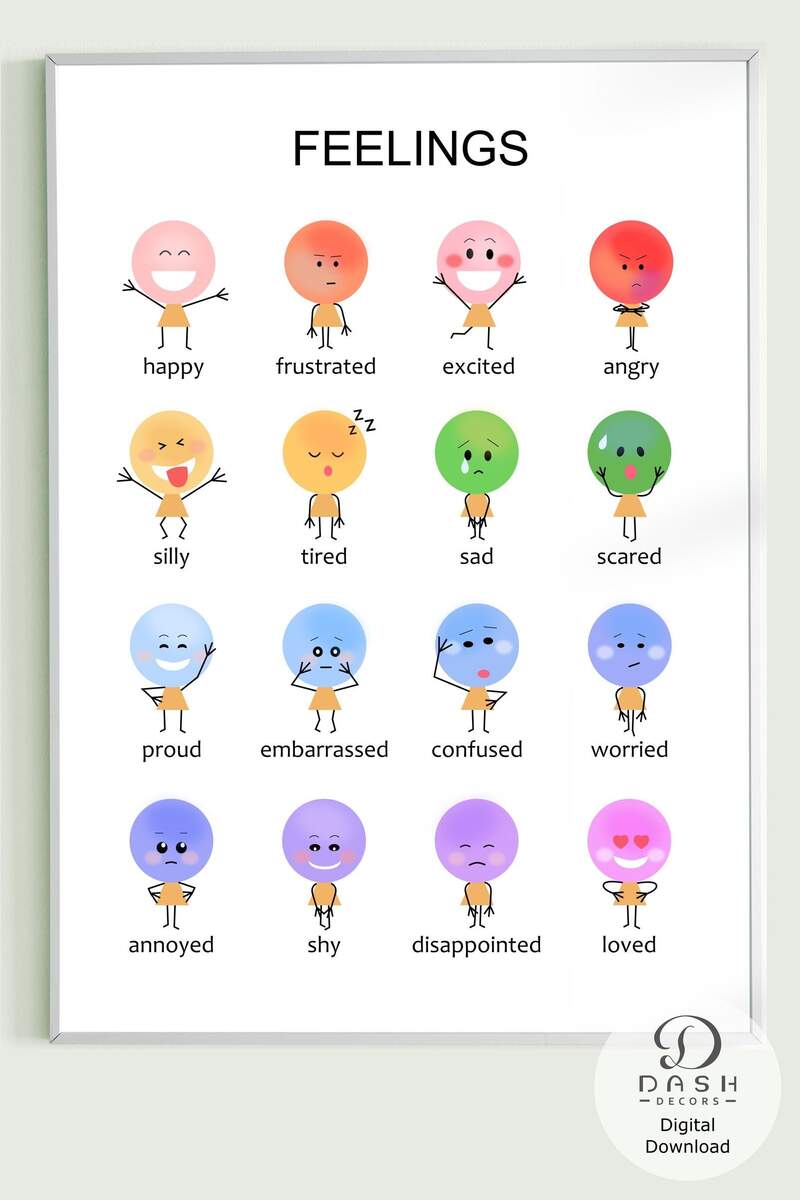
Printable Emotion Chart Poster For Kid And Montessori Preschool Feelings Art Chart Rainbow Emotion Designs Feelings Chart Kid Printable Etsy
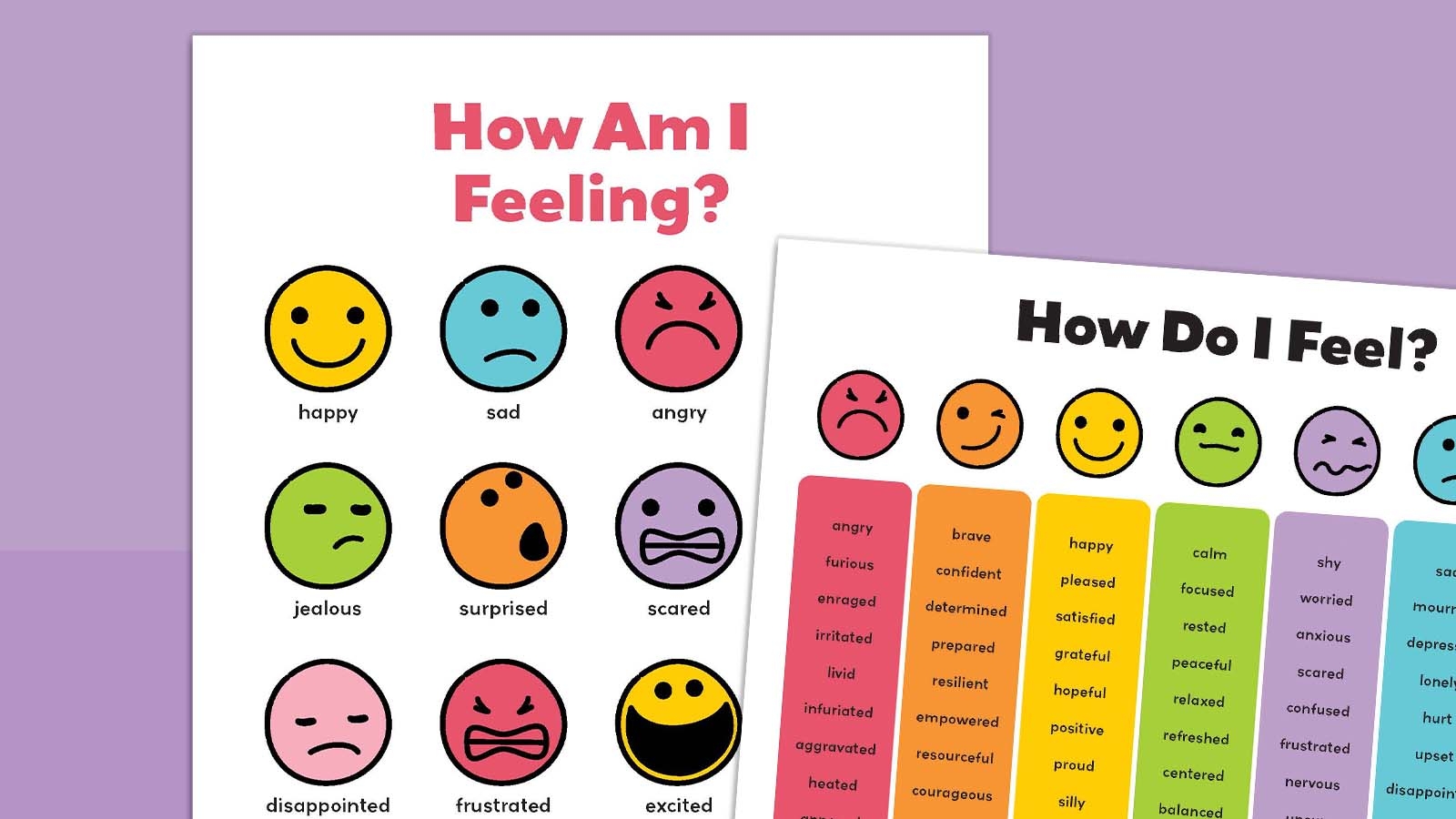
Free Printable Feelings Chart Bundle For Kids