Minerals are naturally occurring inorganic substances with unique physical and chemical properties. One of the key characteristics used to identify minerals is their color. Under a microscope, minerals can display a range of colors, from vibrant hues to subtle shades. Understanding these colors is crucial for geologists, mineralogists, and students of earth sciences. A printable color chart for minerals under a microscope can be a valuable tool in this pursuit, providing a quick reference guide to the diverse colors exhibited by different minerals.
The study of minerals under a microscope involves observing thin sections or polished surfaces of mineral samples. By examining the mineral’s optical properties, such as its color, pleochroism, and birefringence, scientists can determine its identity and understand its composition. However, the human eye can perceive a wide range of colors, and the colors displayed by minerals can be influenced by various factors, including the lighting conditions, the mineral’s chemical composition, and the presence of impurities. A printable color chart can help standardize the color identification process, ensuring accuracy and consistency in mineral analysis.
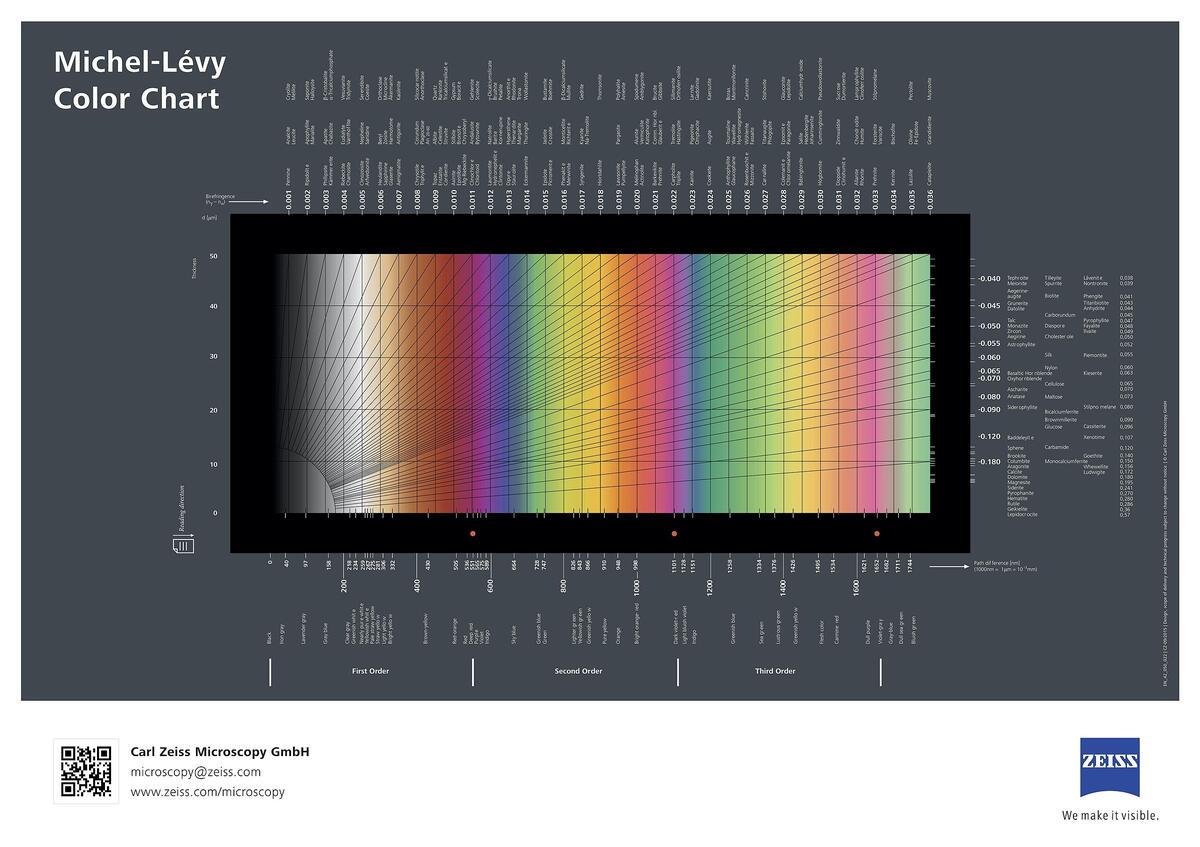
File Michel L Vy Interference Colour Chart 21257606712 Jpg Wikimedia Commons
Understanding Mineral Colors
Mineral colors can be broadly classified into several categories, including idiochromatic, allochromatic, and pseudochromatic colors. Idiochromatic colors are inherent to the mineral itself, while allochromatic colors are caused by the presence of impurities. Pseudochromatic colors, on the other hand, are a result of the mineral’s internal structure. Understanding these color categories is essential for creating a comprehensive printable color chart. By categorizing minerals based on their colors, the chart can provide a systematic approach to mineral identification, facilitating the analysis of complex mineral samples under a microscope.
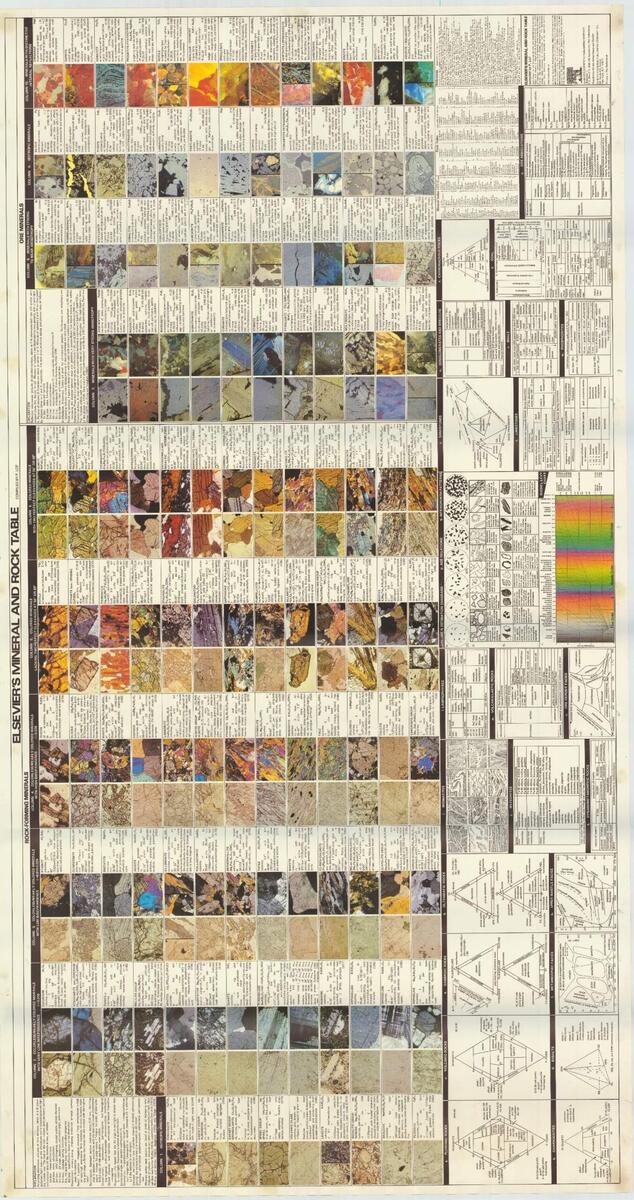
Rocks And Mineral Identification Table 911Metallurgist
Creating a Printable Color Chart
Creating a printable color chart for minerals under a microscope requires careful consideration of several factors, including the color range, the mineral selection, and the chart’s layout. The chart should cover a wide range of colors, from the most common to the rarest, and include examples of minerals that exhibit each color. The mineral selection should be diverse, representing different mineral groups and families. The chart’s layout should be intuitive and easy to use, allowing users to quickly locate and identify minerals based on their colors. By following these guidelines, a printable color chart can be a valuable resource for mineral analysis, providing a quick and accurate means of identifying minerals under a microscope.
Applying the Color Chart in Microscope Analysis
A printable color chart can be applied in various ways during microscope analysis. For instance, it can be used as a reference guide to identify minerals based on their colors, or as a teaching tool to introduce students to the world of mineralogy. The chart can also be used to document and record mineral observations, providing a standardized framework for describing and categorizing mineral colors. By using a printable color chart, scientists and students can streamline their analytical process, focus on more complex aspects of mineral analysis, and gain a deeper understanding of the minerals they are studying.
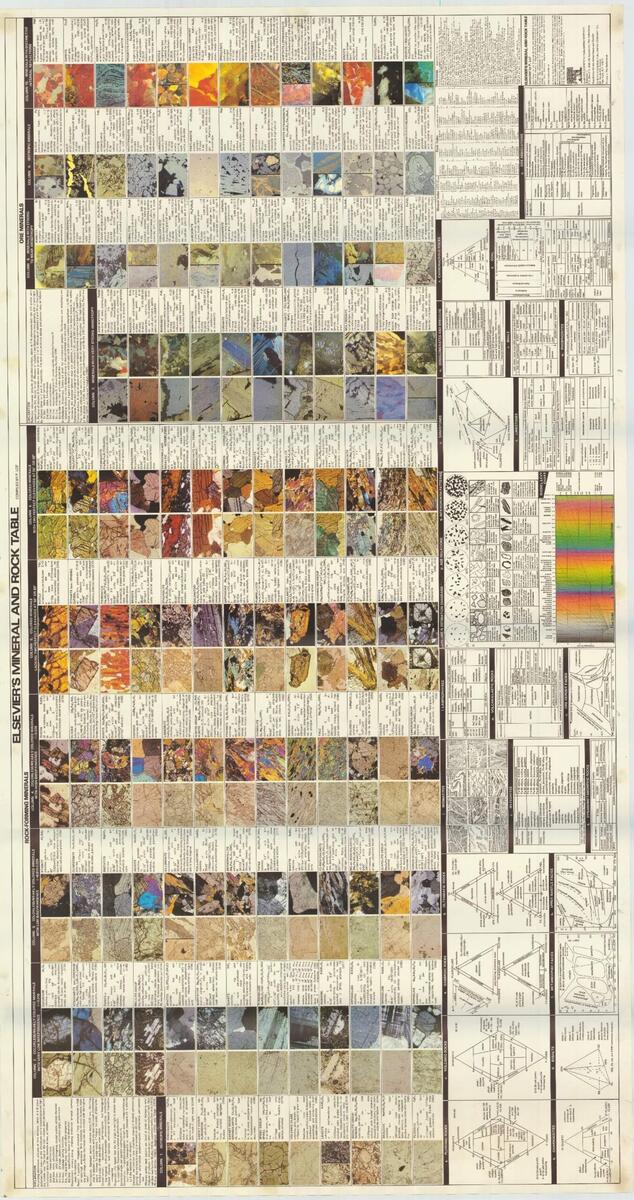
Rocks And Mineral Identification Table 911Metallurgist
In conclusion, a printable color chart for minerals under a microscope is a powerful tool for mineral analysis, providing a systematic approach to identifying minerals based on their colors. By understanding mineral colors, creating a comprehensive color chart, and applying it in microscope analysis, scientists and students can unlock the secrets of minerals and gain a deeper appreciation for the diversity and complexity of the mineral kingdom. Whether used in research, education, or exploration, a printable color chart is an essential resource for anyone interested in the fascinating world of minerals.