Teachers are always looking for ways to simplify their grading process and make it more efficient. One effective tool that can help achieve this is a grading chart. A grading chart is a table or matrix that outlines the criteria and standards for assessing student performance. It provides a clear and concise way to evaluate student work and assign grades. With a grading chart, teachers can quickly and easily determine the grade for an assignment or project based on the student’s performance.
Using a grading chart can save teachers a significant amount of time and reduce stress. It eliminates the need to constantly refer to rubrics or grading scales, allowing teachers to focus on providing feedback and supporting student learning. Additionally, a grading chart can help ensure consistency and fairness in grading, as it provides a standardized framework for evaluating student work. Whether you’re a seasoned teacher or just starting out, a grading chart can be a valuable tool to have in your teaching toolkit.
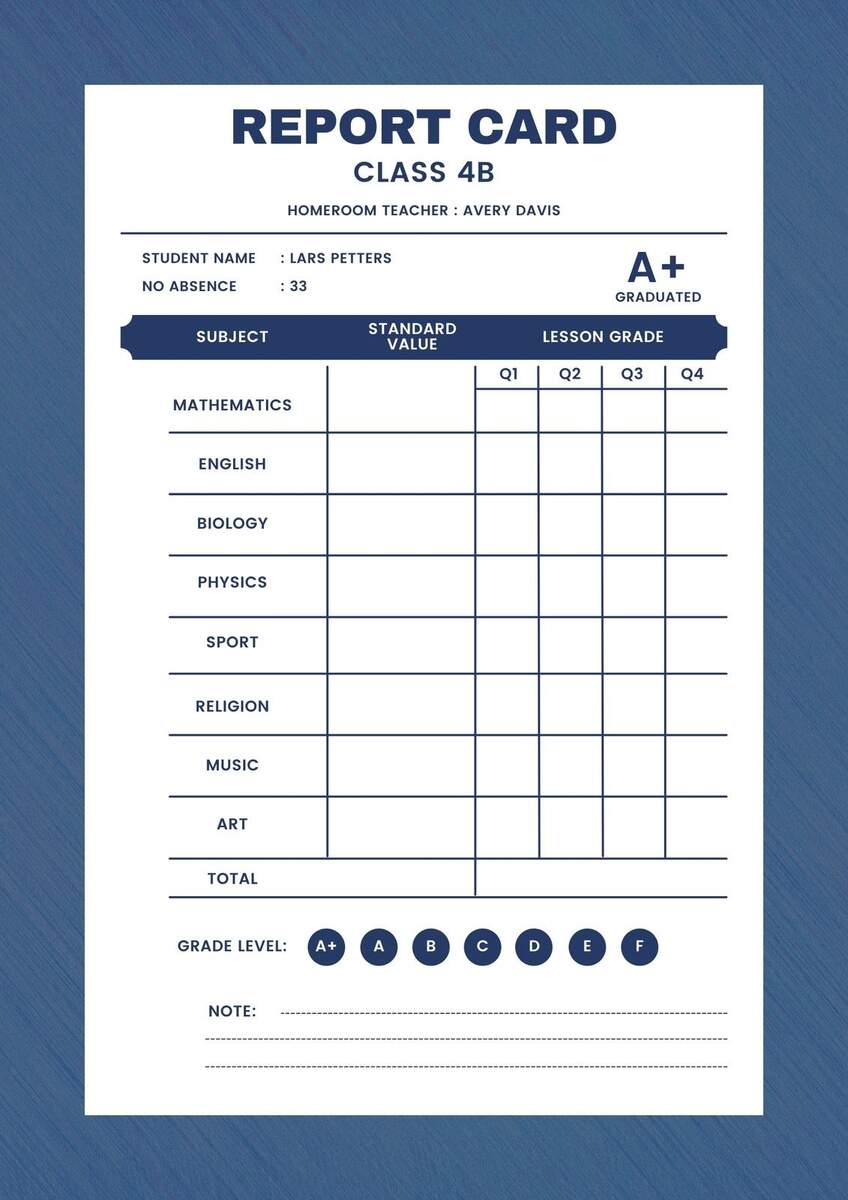
Free Custom Printable College Report Card Templates Canva
What is a Grading Chart and How Does it Work?
A grading chart is essentially a table that lists the criteria for assessment on one axis and the levels of achievement on the other. For example, a grading chart for an essay assignment might list the criteria such as content, organization, and grammar on one axis, and the levels of achievement such as novice, developing, and proficient on the other. By using a grading chart, teachers can quickly identify the level of achievement for each criterion and assign a corresponding grade. This makes it easy to track student progress and identify areas where students need extra support.
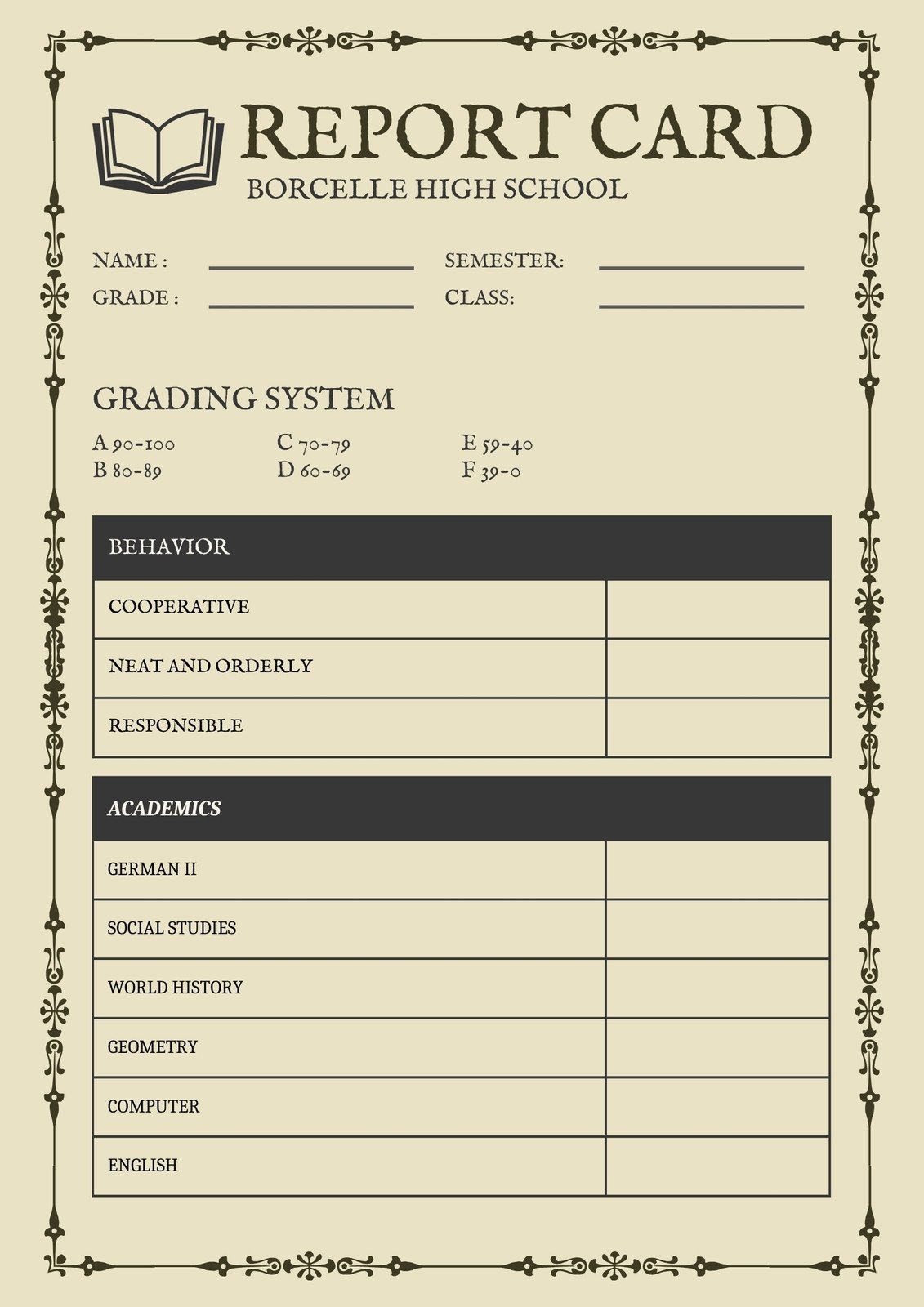
Free Printable Customizable Report Card Templates Canva
Benefits of Using a Grading Chart for Teachers
There are many benefits to using a grading chart for teachers. One of the main advantages is that it saves time and reduces the workload. With a grading chart, teachers can quickly and easily grade assignments and projects, without having to constantly refer to rubrics or grading scales. Additionally, a grading chart helps ensure consistency and fairness in grading, as it provides a standardized framework for evaluating student work. This can help reduce disputes and appeals from students and parents, and provide a clear and transparent grading process.
How to Create a Customizable Grading Chart
Creating a customizable grading chart is easier than you think. You can start by identifying the criteria and standards for assessment, and then create a table or matrix that outlines these criteria. You can use a spreadsheet program or a word processing software to create the chart, and customize it to fit your specific needs. You can also add or remove criteria and levels of achievement as needed, making it easy to adapt the chart to different assignments and projects. With a customizable grading chart, you can tailor your assessment process to meet the unique needs of your students and your teaching style.
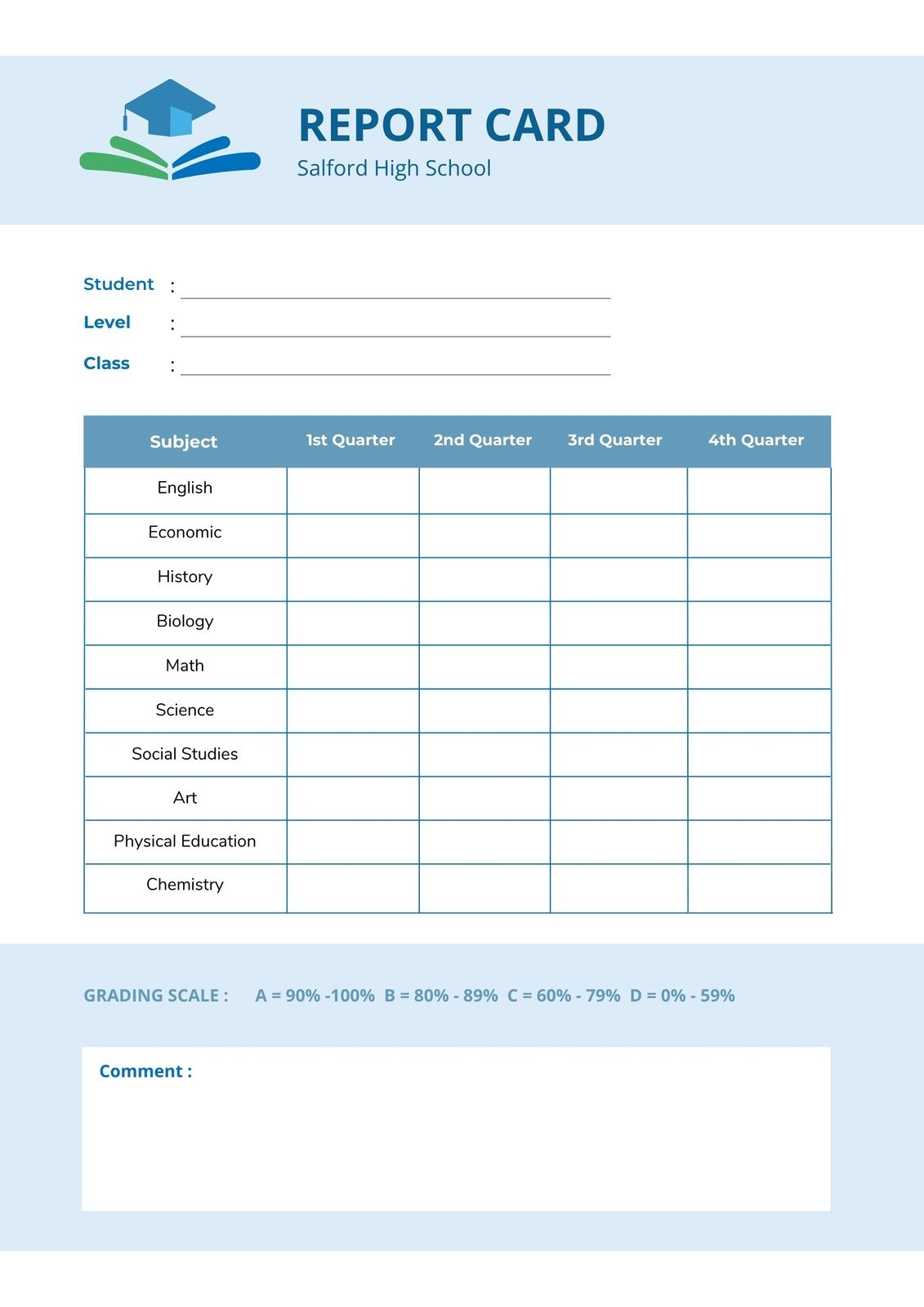
Free Printable Customizable Report Card Templates Canva
To get started with using a grading chart, you can search for free printable templates online. There are many websites that offer customizable grading charts that you can download and print for free. You can also create your own grading chart from scratch, using a spreadsheet program or a word processing software. Whatever method you choose, a grading chart can be a valuable tool to help you streamline your assessment process and save time. So why not give it a try and see the difference it can make in your teaching practice?
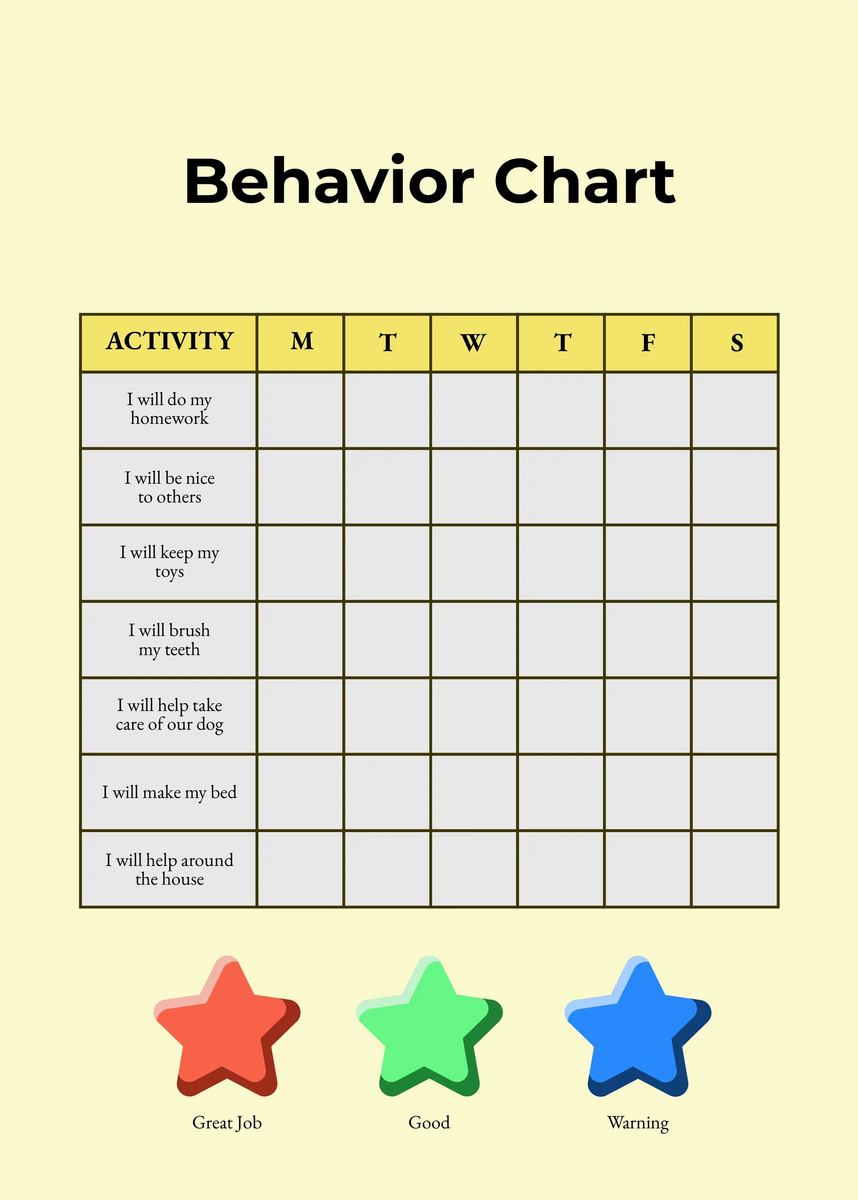
6 Behavior Chart Templates PDF DOC
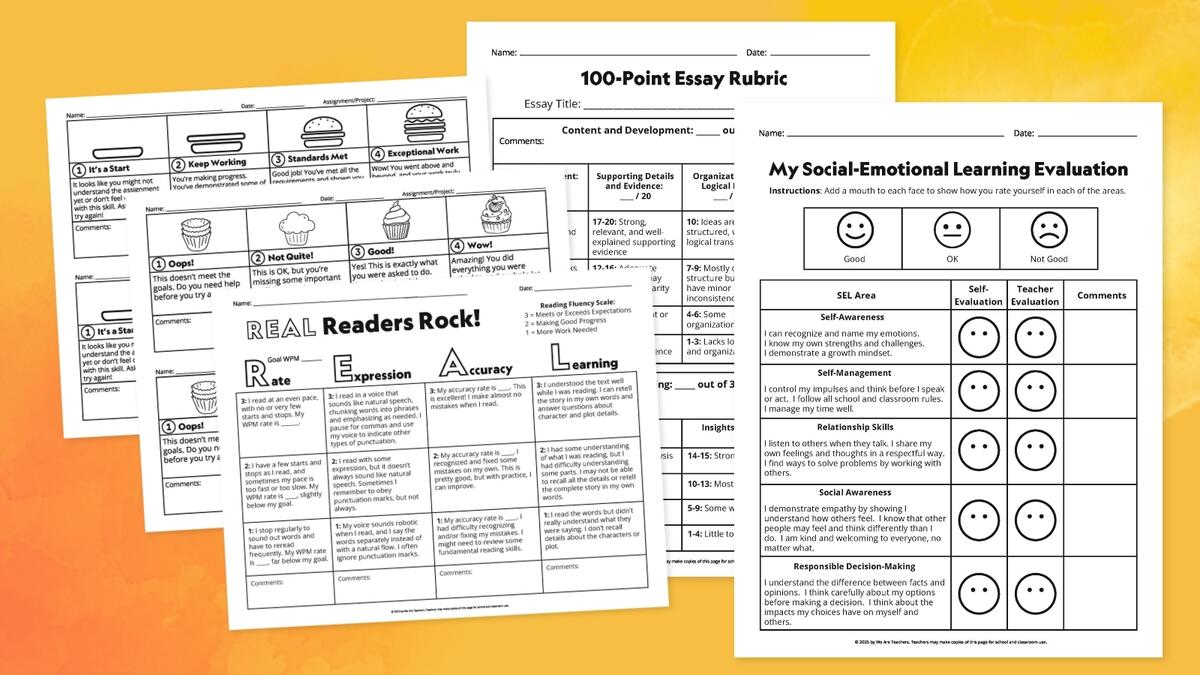
Scoring Rubric Examples For All Subjects Free Printables