The KWL chart, an acronym for Know, Want to know, and Learned, is a valuable educational tool designed to help students organize their thoughts and reflect on their learning process. It’s particularly useful for reading comprehension, research projects, and any learning activity where students need to track their progress and understanding. By using a KWL chart, students can systematically approach their learning, starting with what they already know about a topic, what they want to learn, and finally, what they have learned after completing the task or project.
This method not only enhances learning outcomes but also promotes critical thinking and self-assessment skills. Teachers and educators often recommend KWL charts as a straightforward yet effective way to engage students in active learning. The chart’s simplicity makes it accessible to students of various ages and learning levels, from elementary school to higher education. Its application is not limited to academic settings; it can also be used in professional development and personal learning projects.
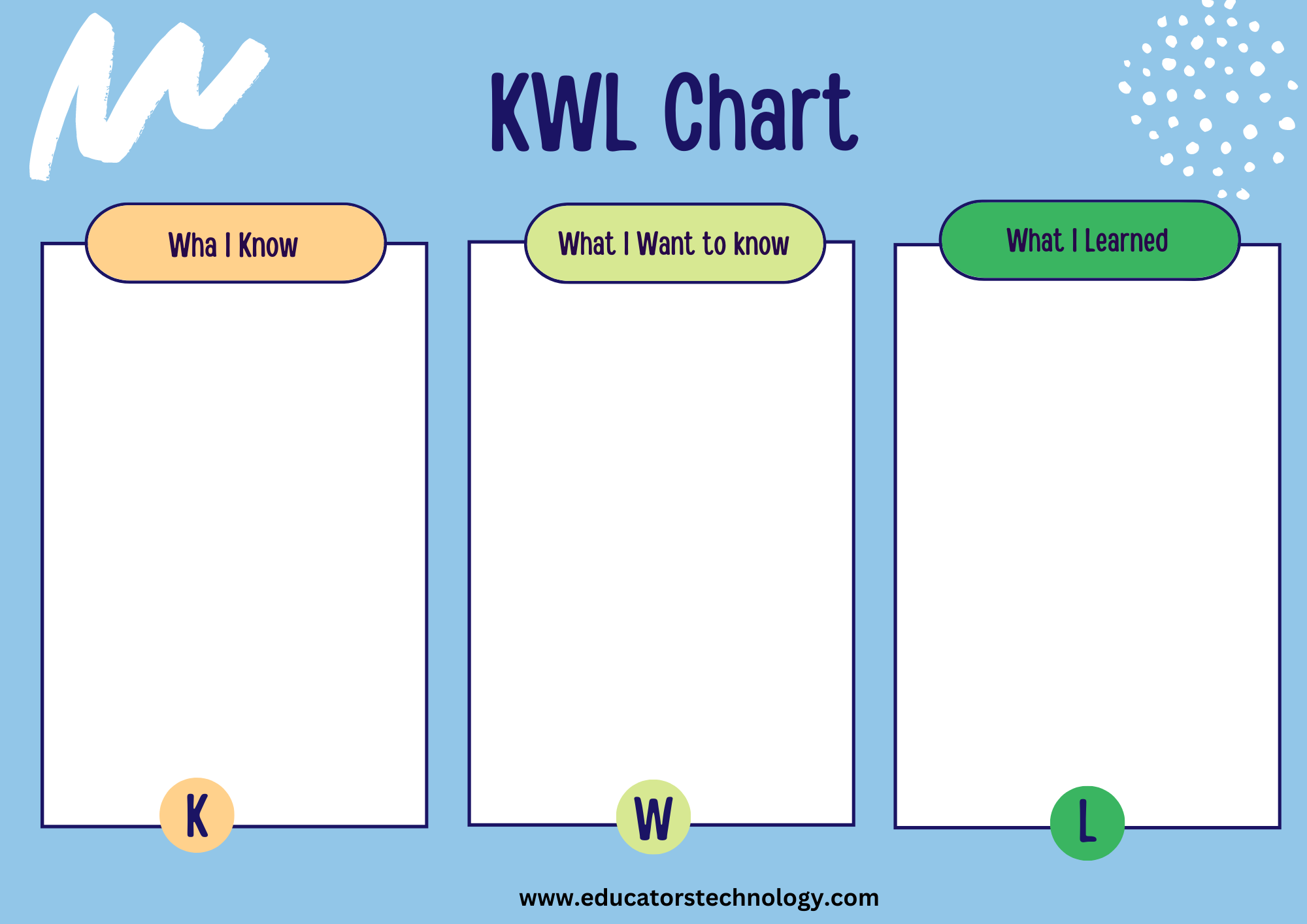
Free Printable KWL Chart Templates For Teachers Educators Technology
What is a KWL Chart?
A KWL chart is essentially a graphic organizer that helps students categorize information into three main categories: what they know about a subject before they start learning (Know), what they want to find out or learn about the subject (Want to know), and what they have learned after studying the subject (Learned). This chart is beneficial because it provides a structured approach to learning, encouraging students to think critically about their knowledge gaps and learning objectives. It also serves as a reflective tool, allowing students to assess their own learning and identify areas where they need more practice or review.
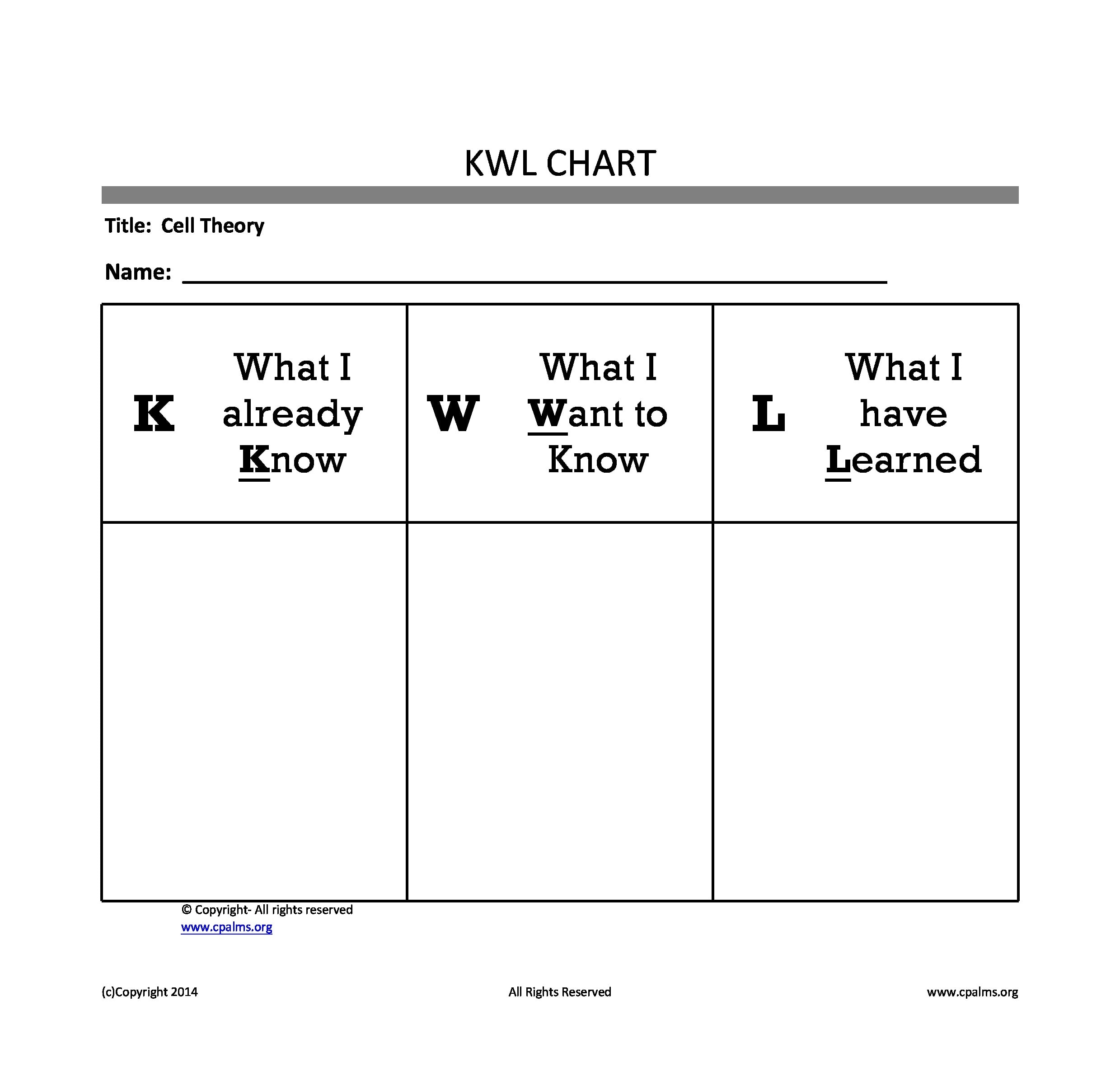
40 Printable KWL Chart Templates 100 FREE Word
Benefits of Using a KWL Chart
The benefits of using a KWL chart are multifaceted. Firstly, it fosters an active learning environment where students are motivated to explore and discover new information. By identifying what they want to know, students take ownership of their learning process, which can increase their engagement and interest in the subject matter. Secondly, KWL charts help in setting clear learning objectives. When students outline what they want to learn, they are essentially setting goals for their learning, which can guide their efforts and focus their study time more effectively.
How to Use a Printable KWL Chart Template
To use a printable KWL chart template effectively, start by distributing the template to students at the beginning of a lesson or project. Have them fill out the ‘Know’ section with whatever information they already have about the topic. Then, as they proceed with the lesson or project, they should fill out the ‘Want to know’ section with questions or topics they wish to explore further. Finally, after completing the learning activity, students should reflect on what they have learned and fill out the ‘Learned’ section. This process not only helps in tracking learning progress but also in reinforcing new knowledge and understanding.
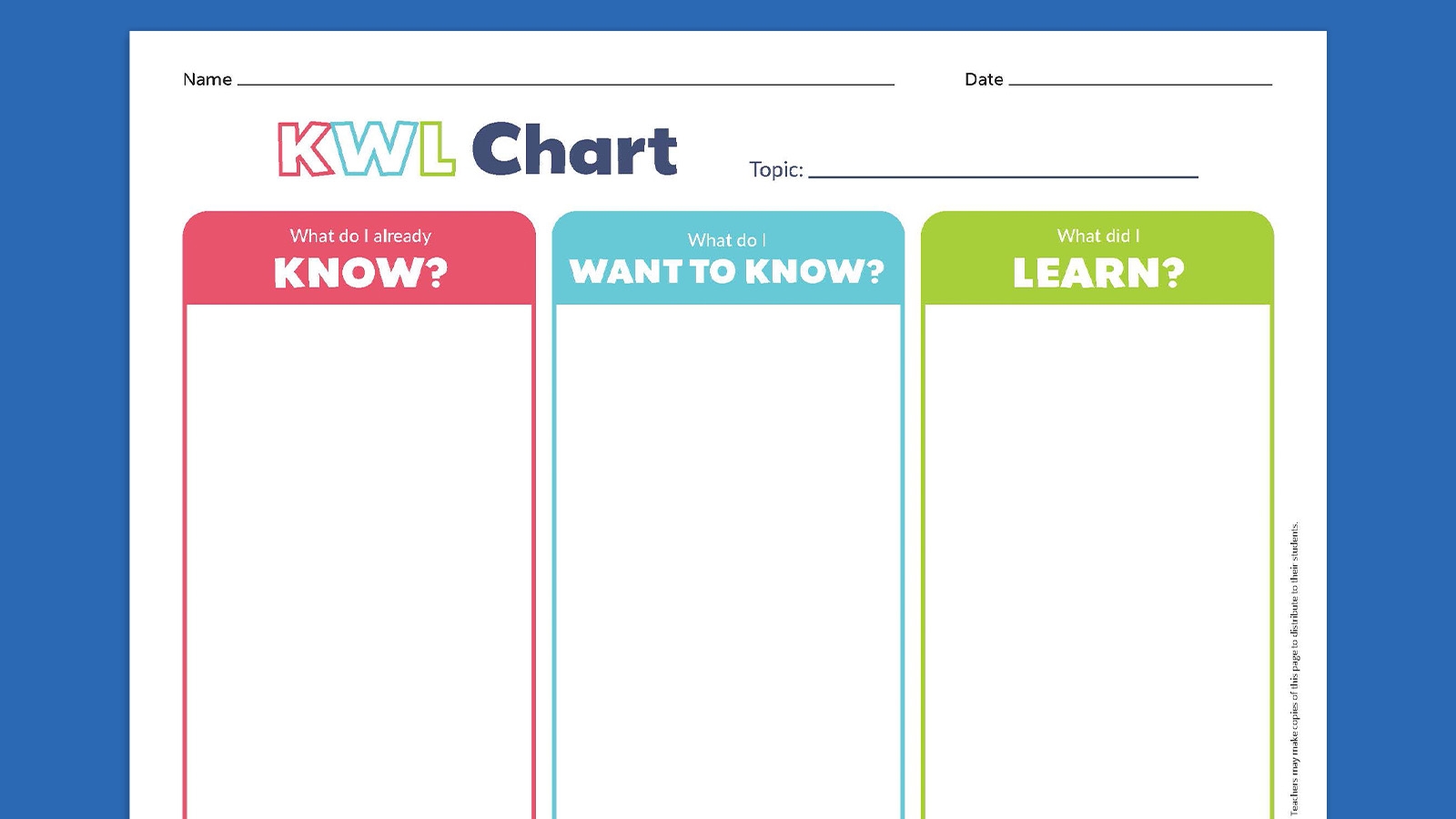
Free KWL Chart Printable Bundle Includes KWLQ And KWHLAQ
Incorporating a printable KWL chart template into educational practices can significantly enhance the learning experience. It provides a tangible tool for students to visualize their learning journey, from initial awareness to newfound knowledge. Moreover, the act of physically writing down what they know, want to know, and have learned can help reinforce memory and comprehension. For educators, observing how students fill out their KWL charts can offer valuable insights into their thought processes and learning strategies, allowing for more tailored instruction and support.
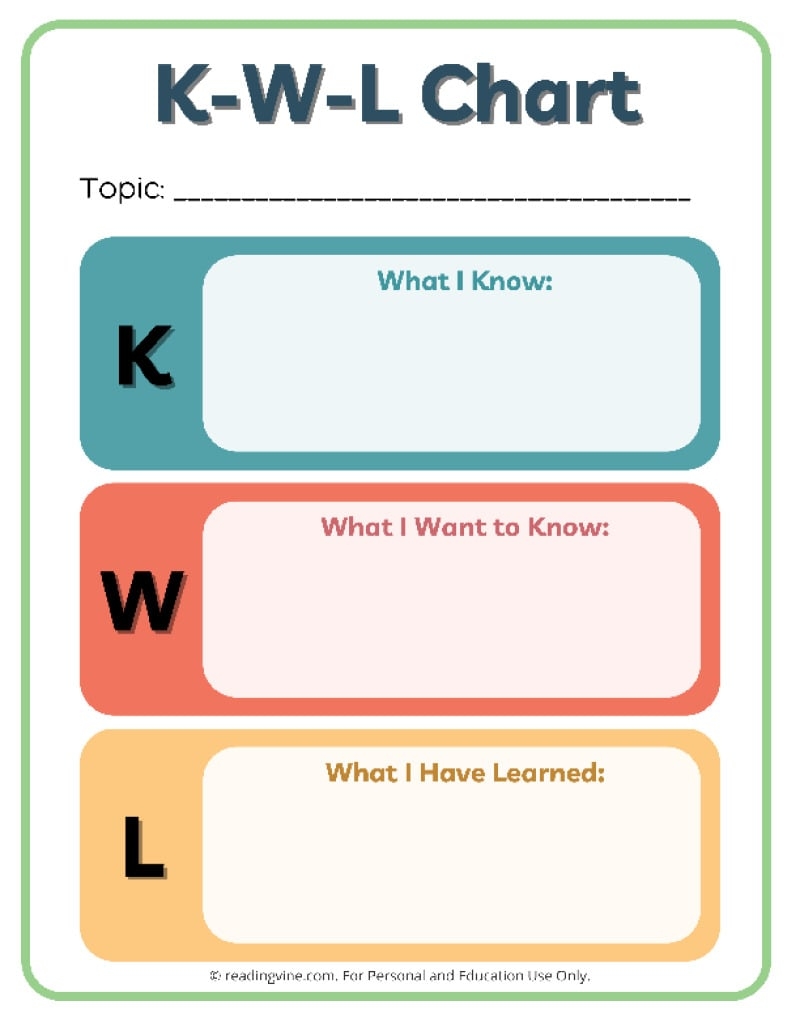
KWL Chart Templates 15 Printable PDFs
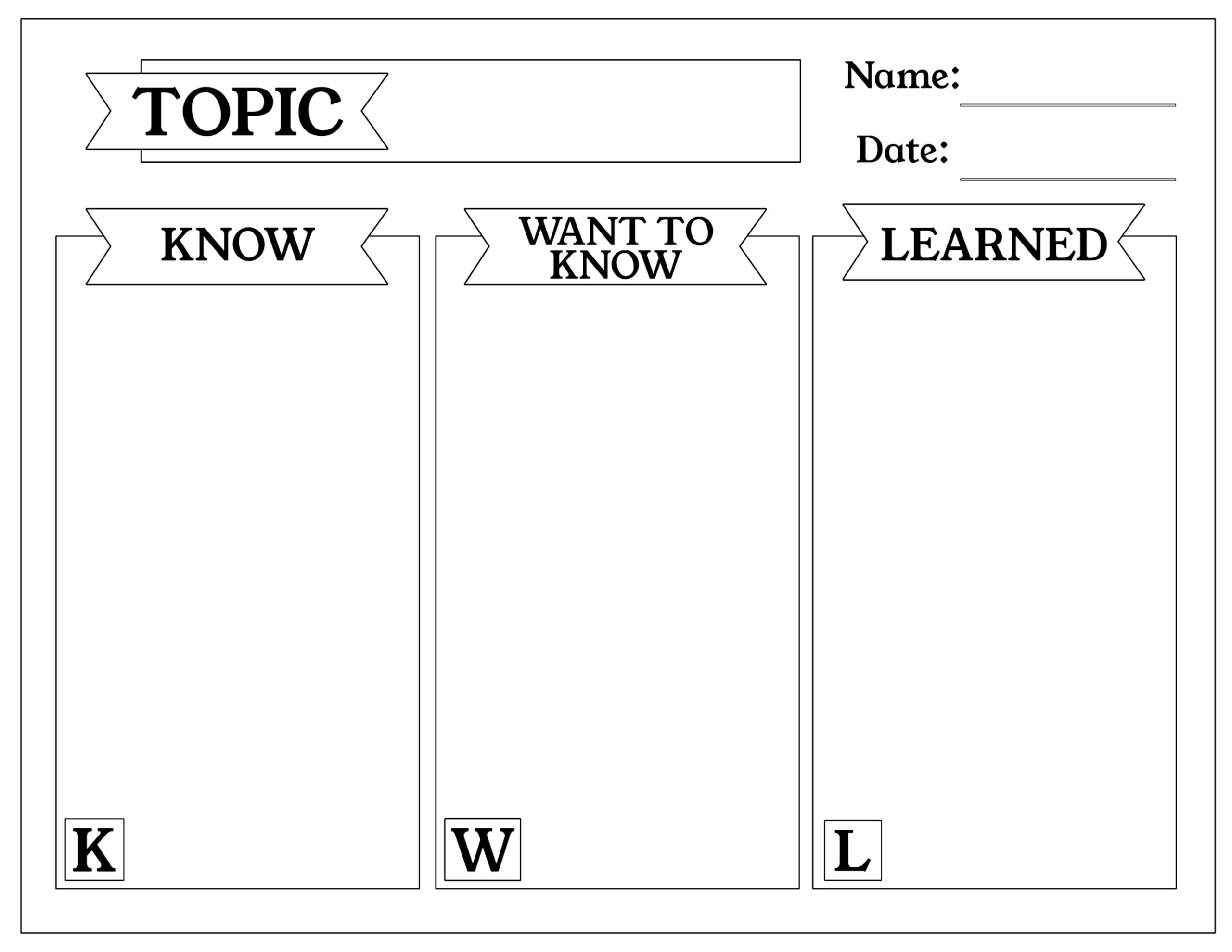
Free KWL Chart Printable Graphic Organizer Paper Trail Design