Learning math can be a daunting task for many children, but with the right tools and resources, it can become an enjoyable and engaging experience. One such tool that has gained popularity in recent years is the anchor chart. An anchor chart is a visual aid that helps students understand and retain complex concepts by breaking them down into simpler, more manageable parts. In the context of math, anchor charts can be particularly useful in teaching properties of addition, such as commutativity, associativity, and the identity element.
The properties of addition are fundamental concepts that every child should learn in order to develop a strong foundation in math. However, these concepts can be abstract and difficult to grasp, especially for younger students. This is where printable anchor charts come in – they provide a concrete and interactive way for children to explore and understand these properties. By using visual representations and real-life examples, anchor charts can help make math more accessible and fun for kids.
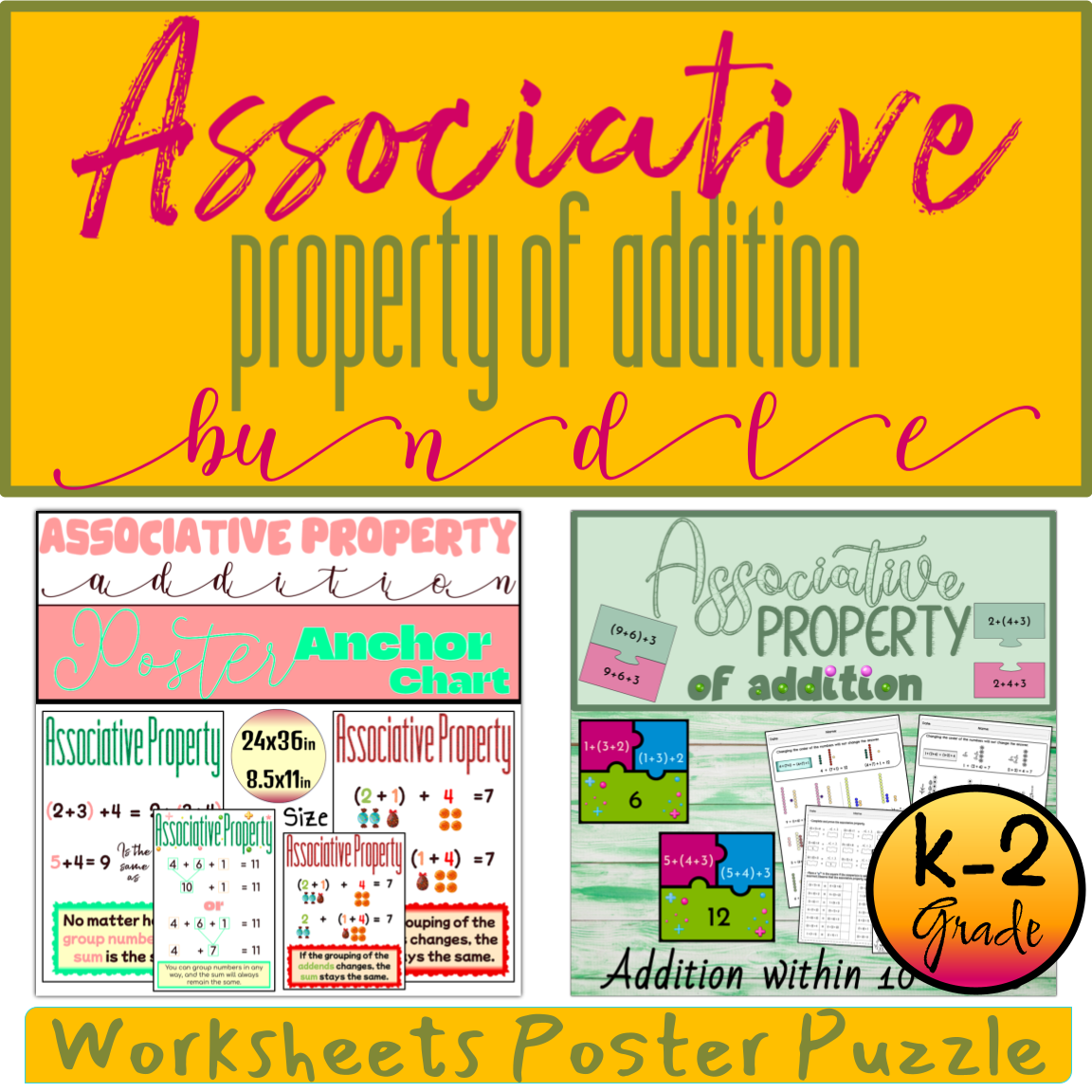
Associative Property Of Addition Worksheet Puzzle Posters Anchor Chart Made By Teachers
What Are Anchor Charts?
Anchor charts are essentially large, poster-sized charts that are used to illustrate key concepts and ideas. They are usually created by teachers or educators and are displayed in the classroom for students to refer to. In the case of properties of addition, an anchor chart might include diagrams, illustrations, and examples that demonstrate how these properties work. For instance, a chart might show how the commutative property of addition allows students to add numbers in any order, or how the associative property enables them to group numbers in different ways.
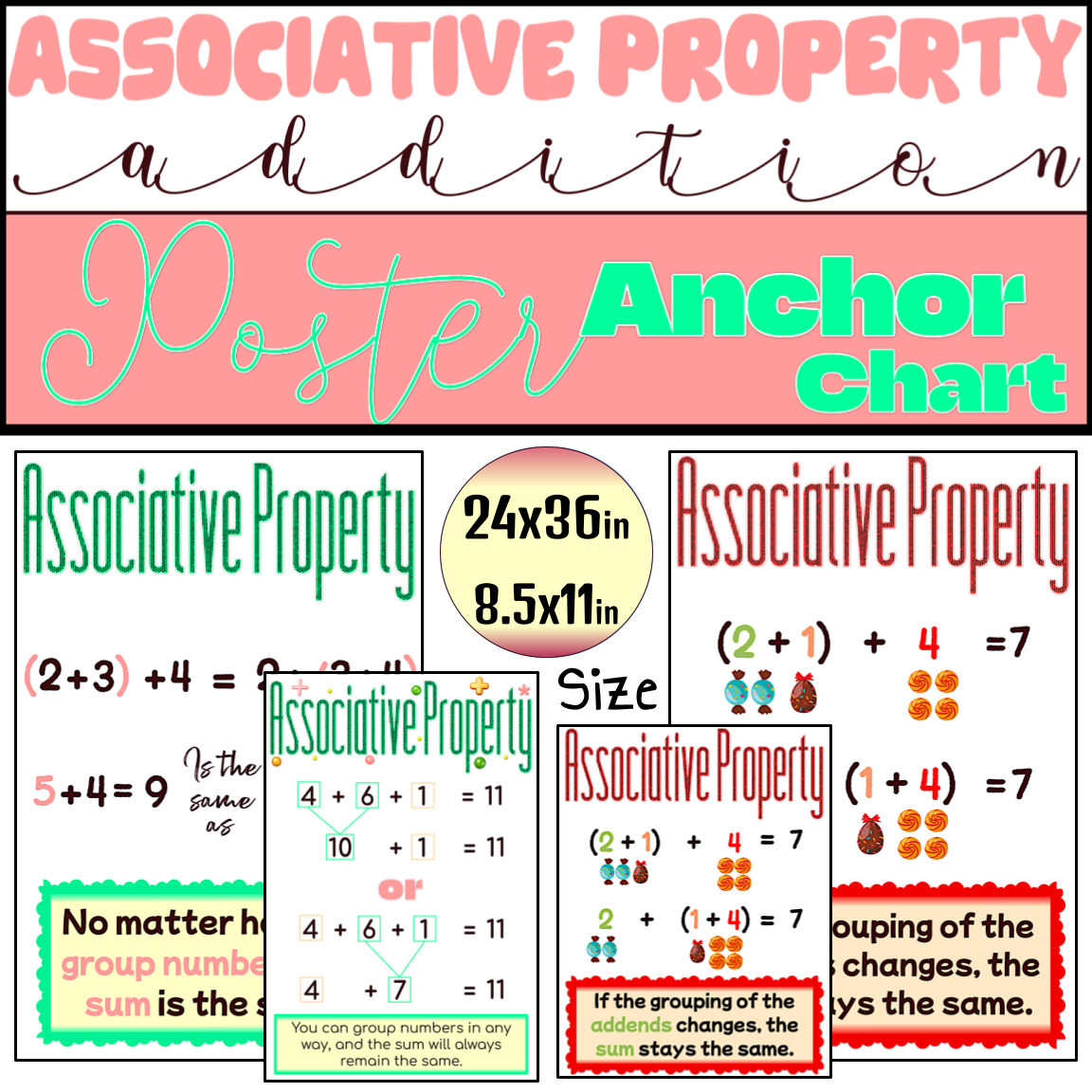
Associative Property Of Addition Anchor Charts And Posters For K 2nd Made By Teachers
Properties Of Addition Explained
The properties of addition are a crucial part of math education, and understanding them is essential for building a strong foundation in math. The commutative property, for example, states that the order of the numbers being added does not change the result. This means that 2 + 3 is equal to 3 + 2. The associative property, on the other hand, states that the way numbers are grouped does not affect the result. For instance, (2 + 3) + 4 is equal to 2 + (3 + 4). These properties may seem simple, but they are fundamental to more advanced math concepts, such as algebra and calculus.
Benefits Of Using Printable Anchor Charts
Using printable anchor charts to teach properties of addition has several benefits. For one, they provide a visual and interactive way for children to learn complex concepts. Anchor charts can also be customized to meet the needs of different learners, making them an excellent resource for teachers and homeschooling parents. Additionally, printable anchor charts are often free or low-cost, making them an affordable option for educators who are on a budget. By incorporating anchor charts into their lesson plans, teachers can create a more engaging and effective learning environment that promotes math literacy and understanding.
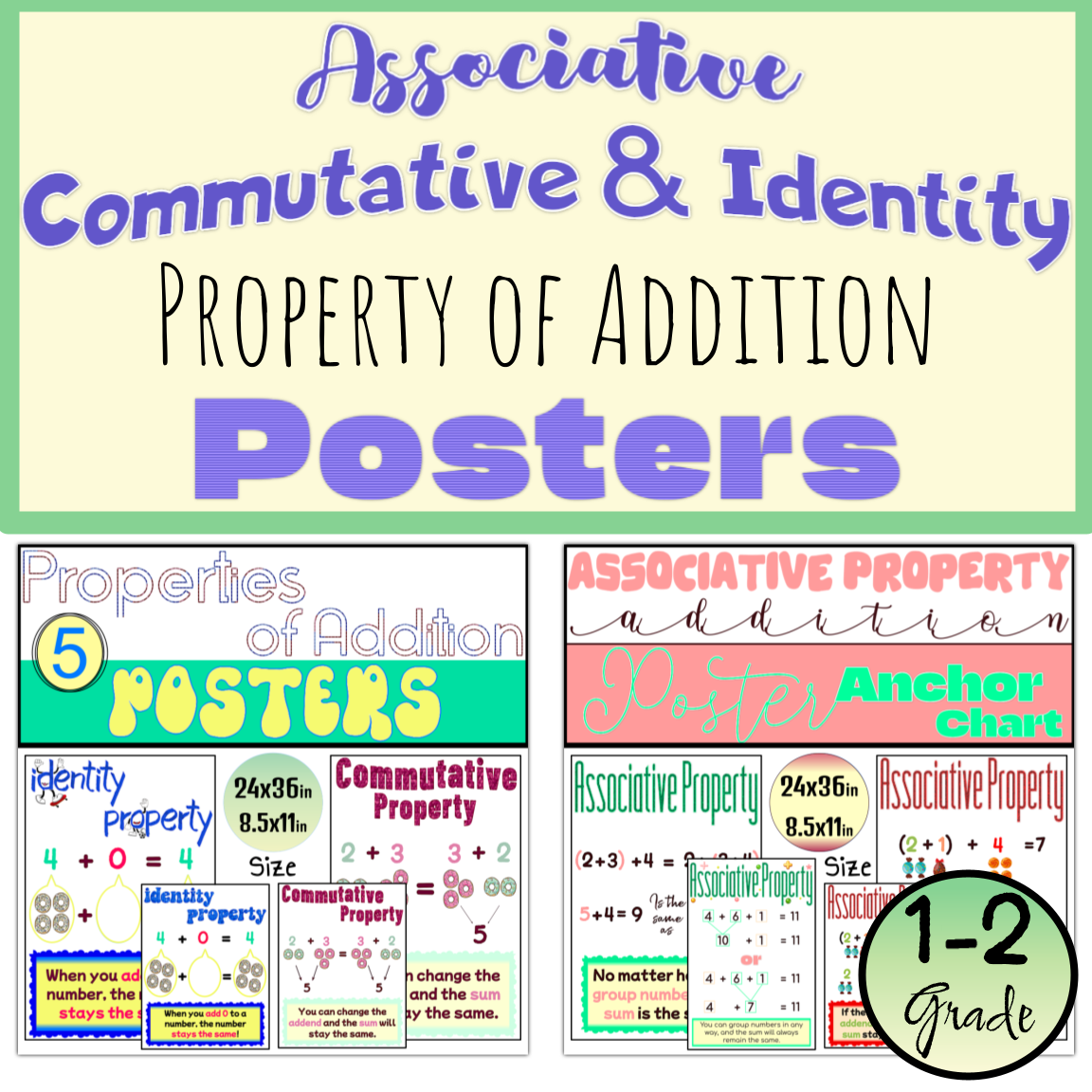
Associative Commutative Identity Property Of Addition Posters Anchor Charts Made By Teachers
In conclusion, printable anchor charts are a valuable resource for teaching properties of addition. By providing a visual and interactive way for children to learn complex concepts, anchor charts can help build a strong foundation in math and promote a love of learning that will last a lifetime. Whether you are a teacher, homeschooling parent, or simply a parent who wants to support your child’s math education, printable anchor charts are definitely worth exploring. With their flexibility, customizability, and affordability, they are an excellent addition to any math curriculum.
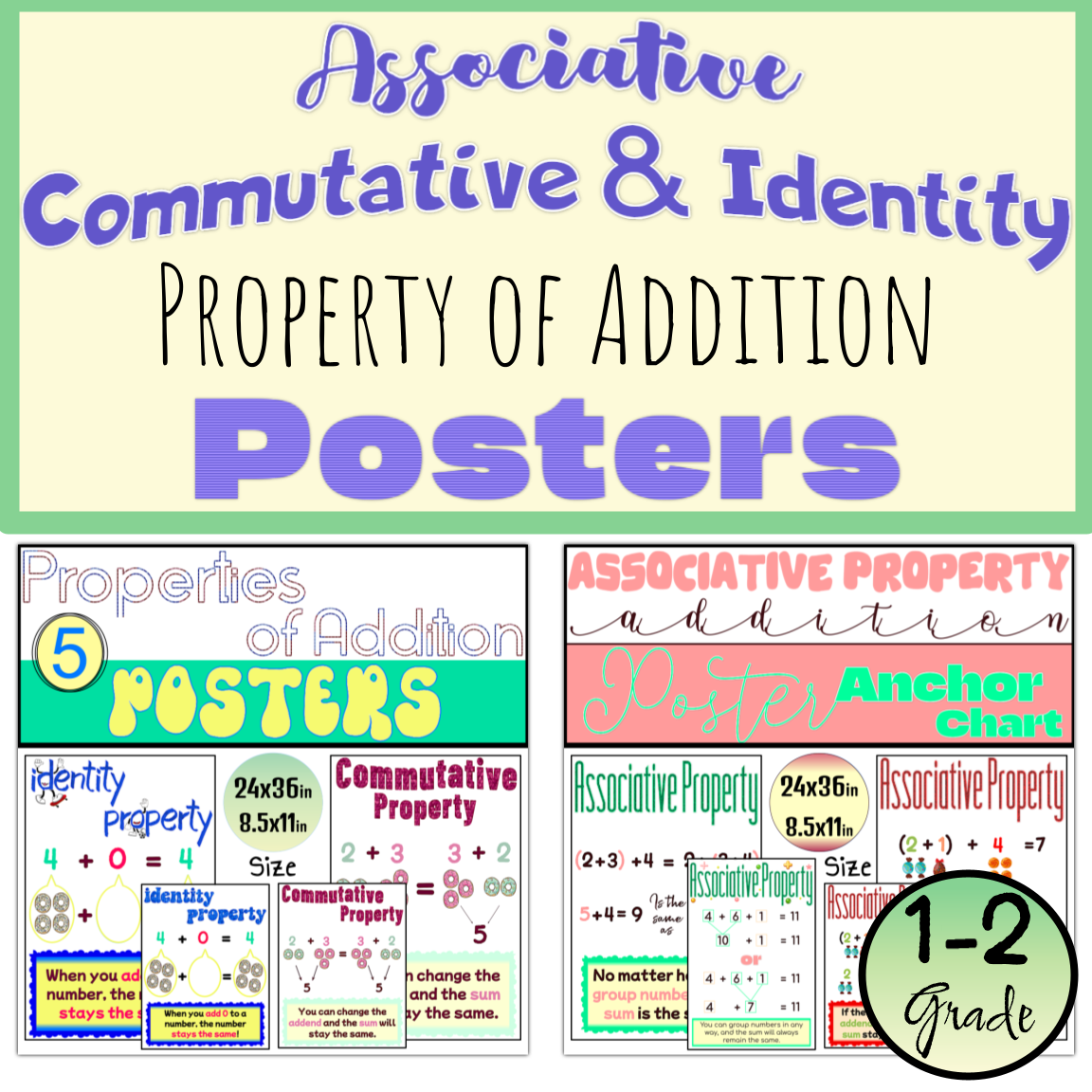
Associative Commutative Identity Property Of Addition Posters Anchor Charts Made By Teachers
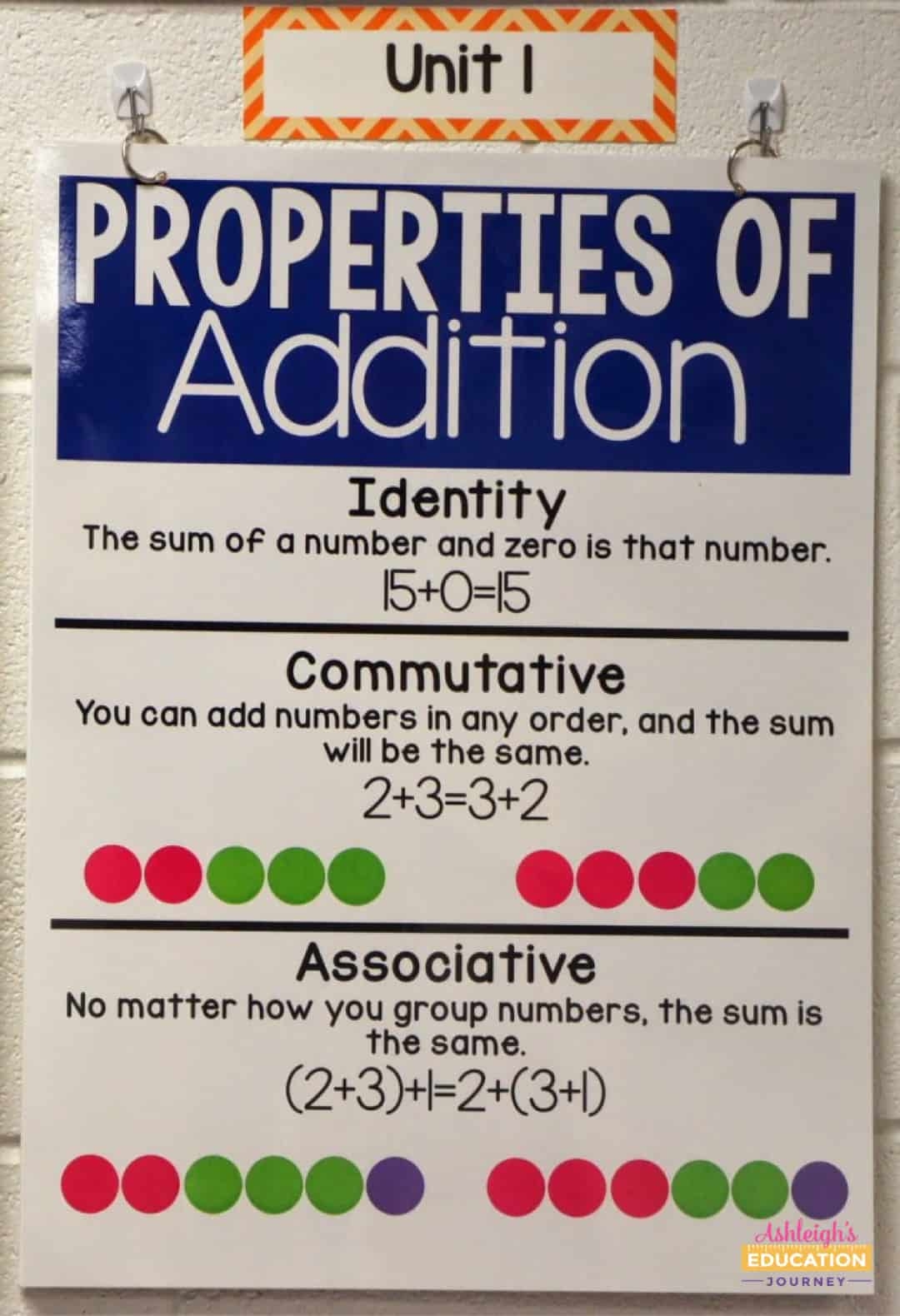
Anchor Charts Ashleigh S Education Journey