Surface roughness is a critical parameter in various industries, including manufacturing, engineering, and construction. It refers to the measure of the surface finish of a material, which can affect its performance, durability, and overall quality. A surface roughness printable chart is a useful tool that provides a visual representation of the different levels of surface roughness, making it easier to understand and communicate the requirements for a specific project or application.
The surface roughness of a material can have a significant impact on its behavior and performance. For example, a smooth surface can reduce friction and wear, while a rough surface can increase the risk of corrosion and damage. Therefore, it is essential to measure and control surface roughness to ensure that the material meets the required specifications and standards. A surface roughness printable chart can help professionals and manufacturers to quickly identify the surface roughness of a material and determine the best course of action to achieve the desired finish.
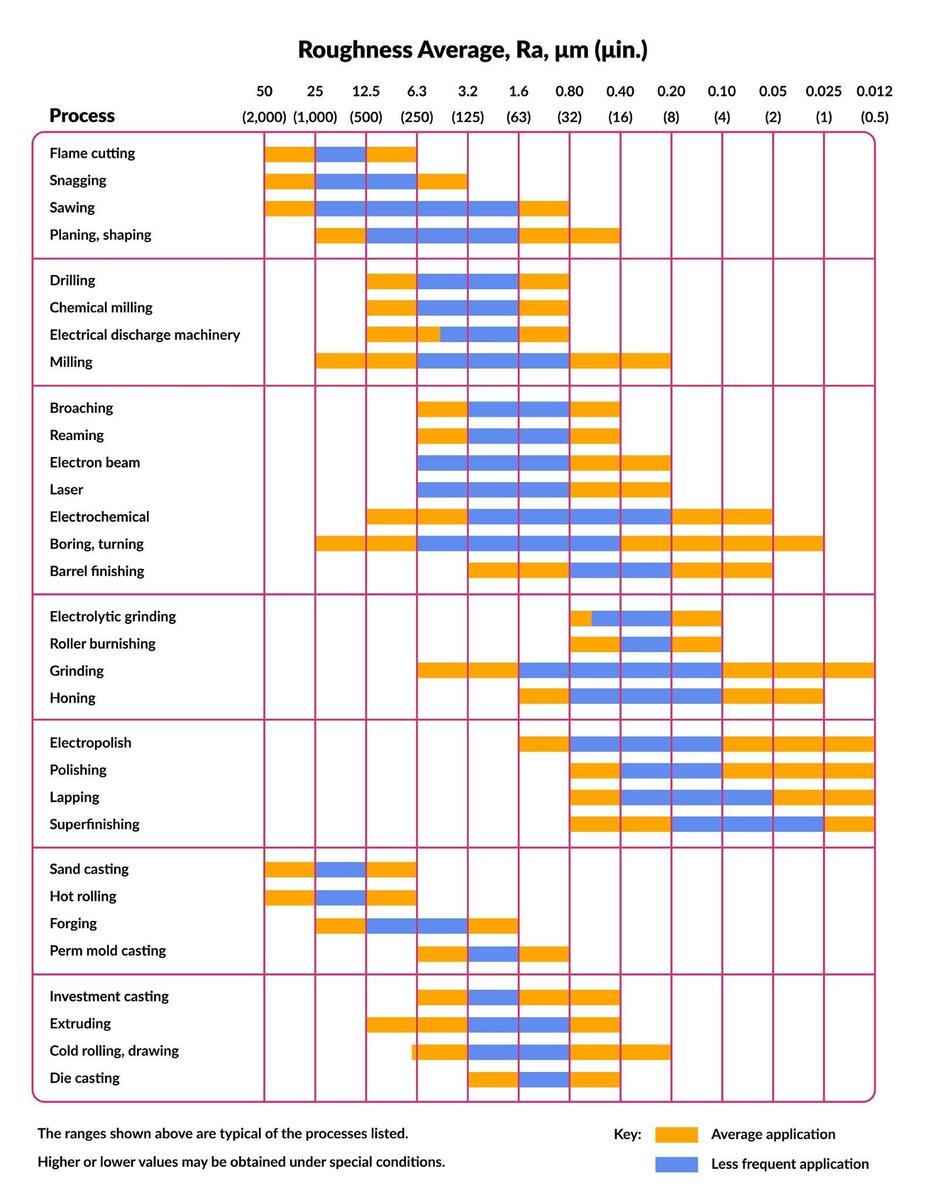
3 6 Surface Texture Finish Introduction To Machining
Understanding Surface Roughness
Understanding surface roughness is crucial in various industries, as it can affect the performance, safety, and efficiency of a product or system. Surface roughness can be measured using different techniques, including profilometry, interferometry, and tactile methods. A surface roughness printable chart provides a standardized way to measure and classify surface roughness, making it easier to communicate and compare the results. By understanding surface roughness, professionals can optimize the design and manufacturing process to achieve the desired surface finish and improve the overall quality of the product.
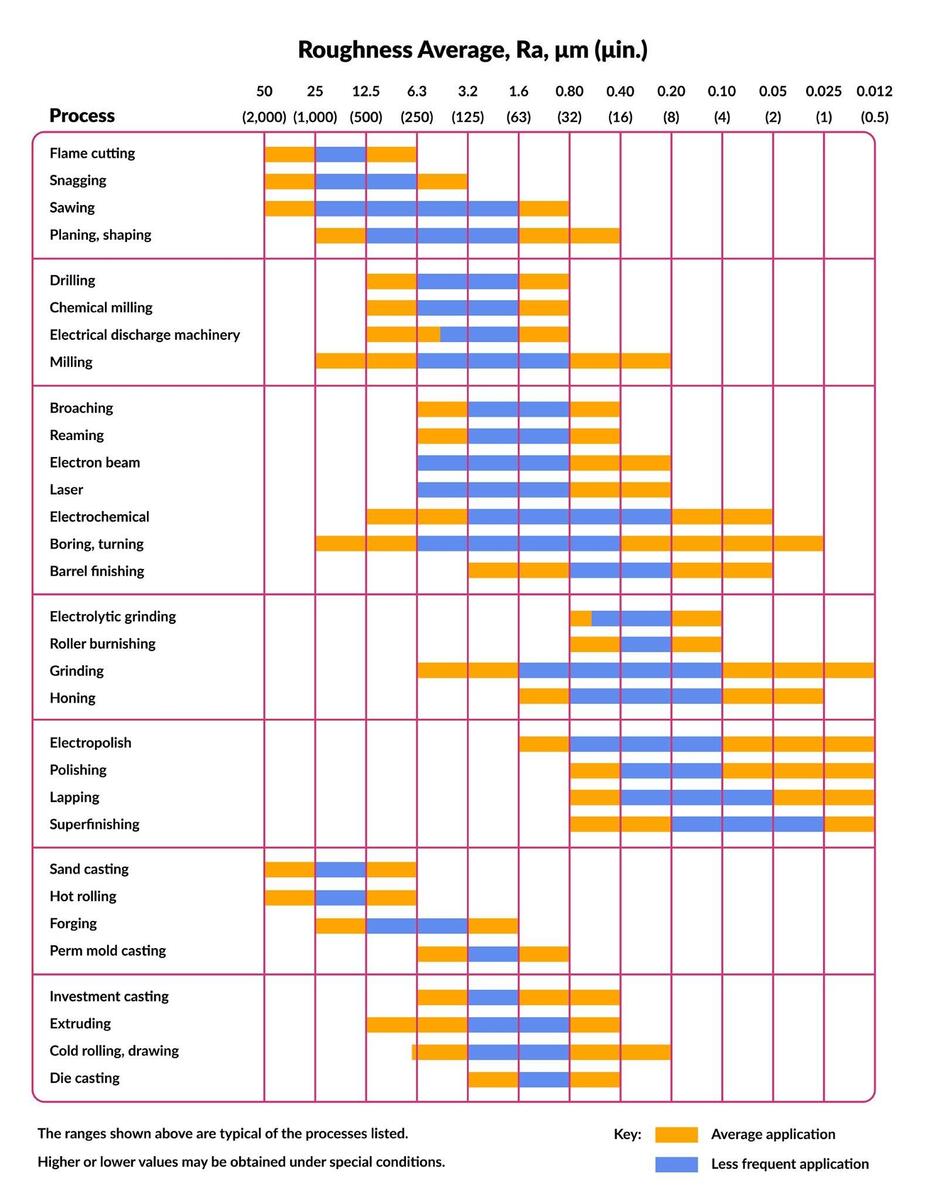
3 6 Surface Texture Finish Introduction To Machining
Importance of Surface Roughness in Manufacturing
The importance of surface roughness in manufacturing cannot be overstated. Surface roughness can affect the quality, performance, and reliability of a product, as well as its aesthetic appeal. A surface roughness printable chart can help manufacturers to identify the optimal surface roughness for a specific application, reducing the risk of defects, rework, and warranty claims. By controlling surface roughness, manufacturers can improve the efficiency of their production process, reduce costs, and enhance customer satisfaction.
How to Measure Surface Roughness
Measuring surface roughness can be a complex and time-consuming process, requiring specialized equipment and expertise. However, with the help of a surface roughness printable chart, professionals can quickly and easily measure and classify surface roughness. The chart provides a visual representation of the different levels of surface roughness, making it easier to identify the required surface finish for a specific application. By using a surface roughness printable chart, professionals can streamline the measurement process, reduce errors, and improve the accuracy of their results.
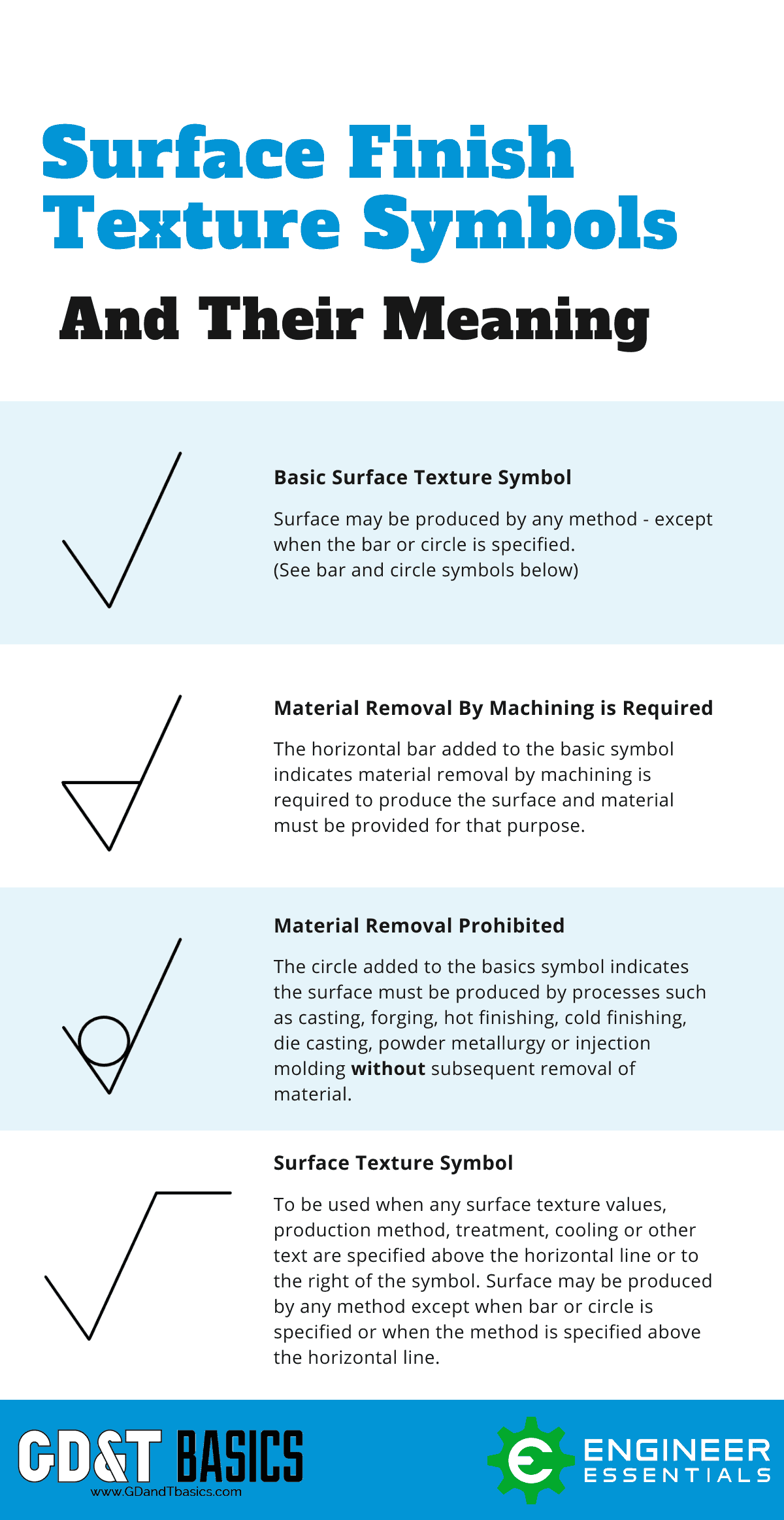
The Basics Of Surface Finish GD T Basics
In conclusion, a surface roughness printable chart is a valuable tool for professionals and manufacturers who need to measure and control surface roughness. By understanding surface roughness and using a standardized chart to measure and classify it, professionals can optimize the design and manufacturing process, improve product quality, and reduce costs. Whether you are working in the aerospace, automotive, or construction industry, a surface roughness printable chart can help you to achieve the desired surface finish and improve the overall performance of your product or system.
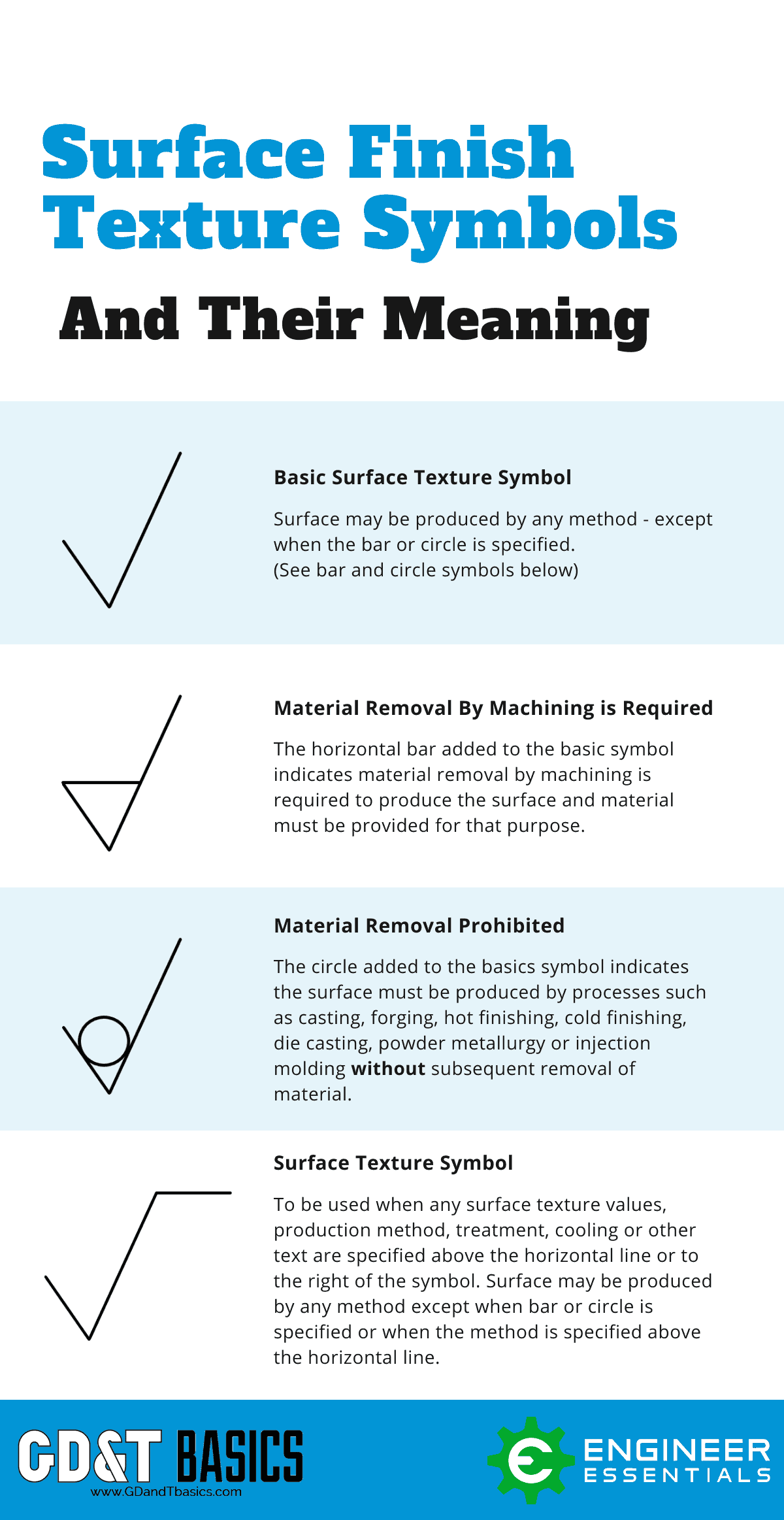
The Basics Of Surface Finish GD T Basics
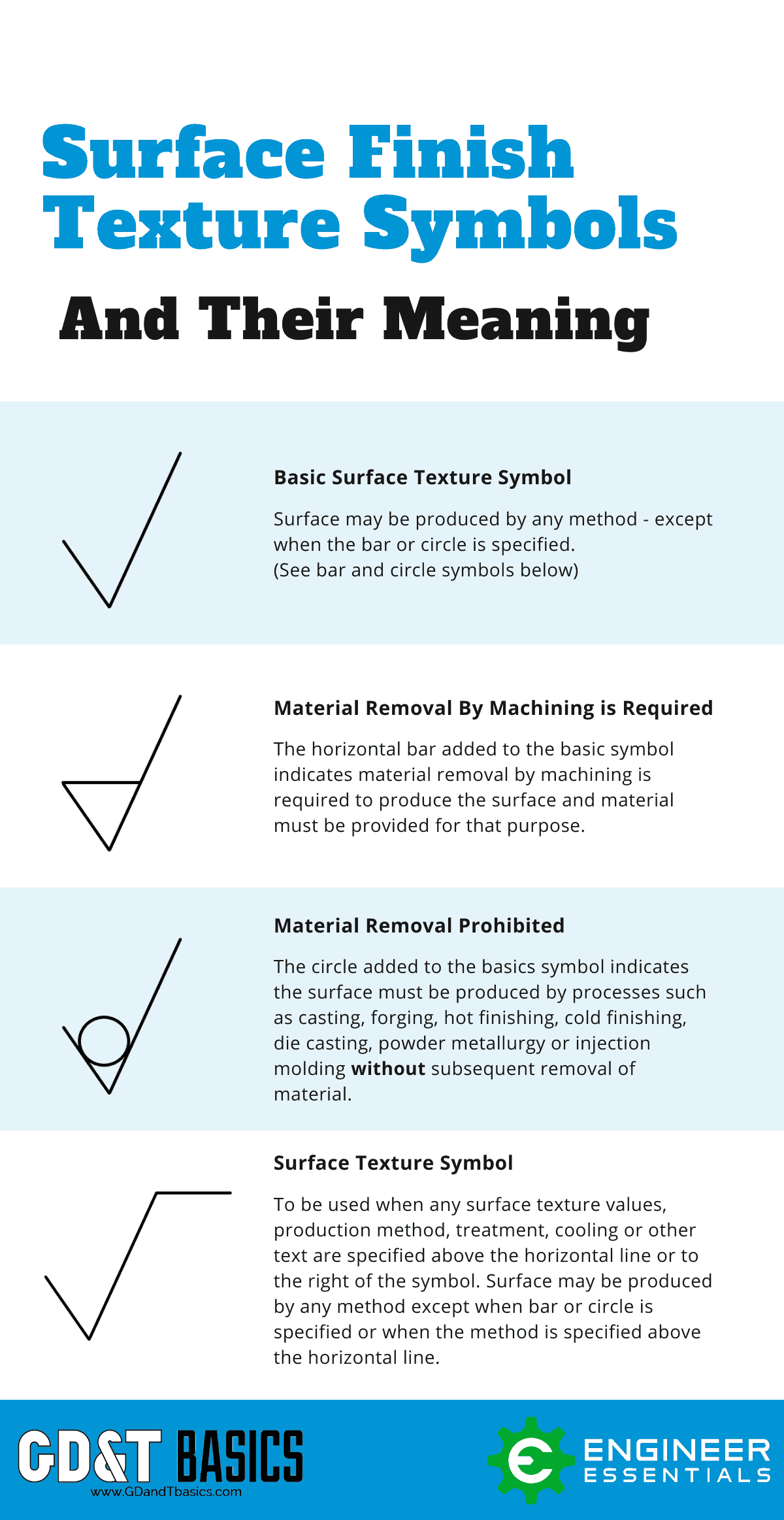
The Basics Of Surface Finish GD T Basics