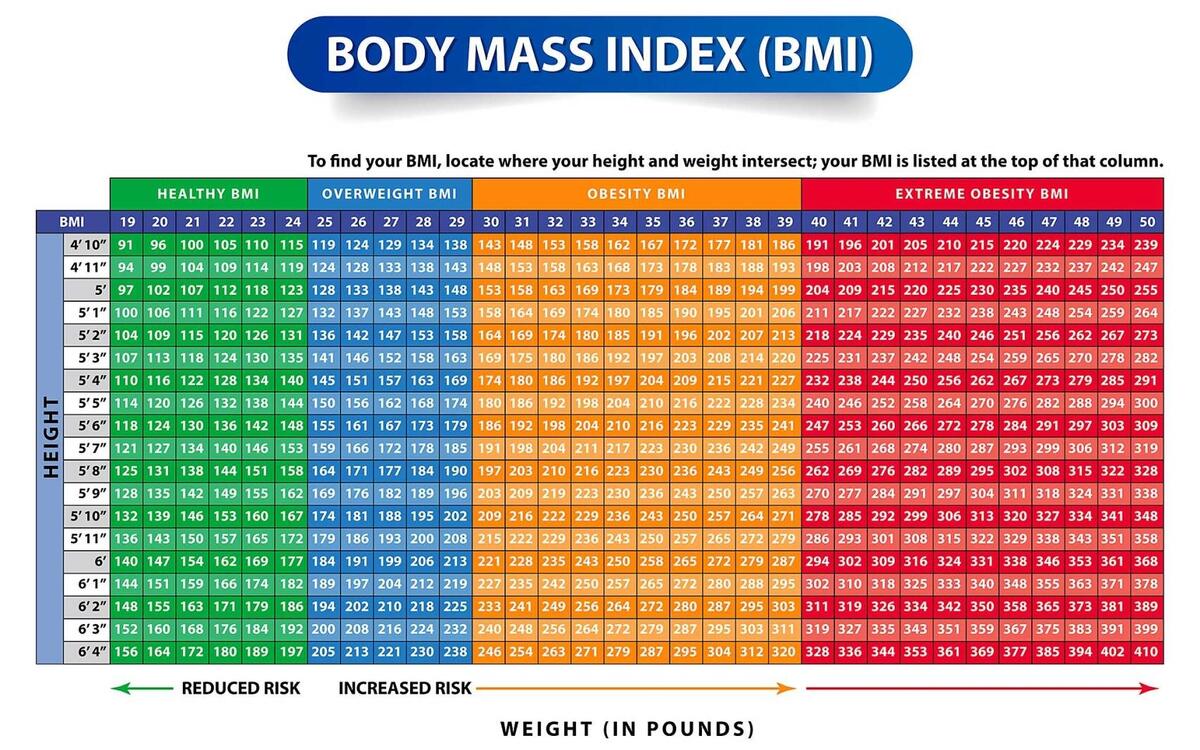
Maintaining a healthy weight is crucial for overall well-being, and one of the most effective ways to track your weight status is by using a BMI chart. The Body Mass Index (BMI) is a simple calculation that takes into account your weight and height to determine your weight category. In 2019, the BMI chart remained an essential tool for healthcare professionals and individuals alike, providing a quick and easy way to assess weight status and make informed decisions about health.
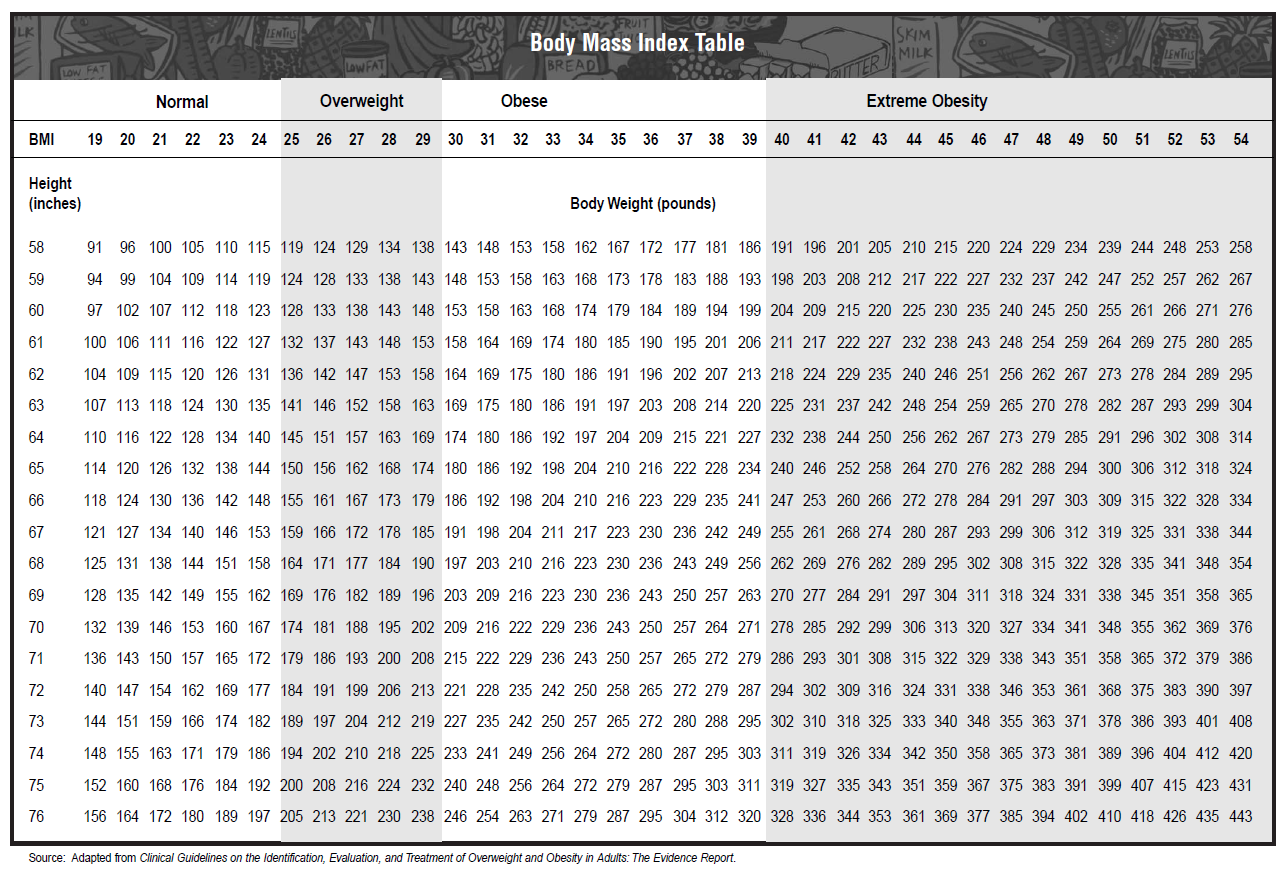
A BMI chart typically categorizes individuals into several weight categories, including underweight, normal weight, overweight, and obese. These categories are based on BMI ranges, which are calculated by dividing your weight in kilograms by your height in meters squared. For example, a BMI of 18.5 or lower falls into the underweight category, while a BMI of 30 or higher is considered obese. Understanding these categories is vital for identifying potential health risks and taking steps to achieve a healthy weight.
CRMC To Host Virtual Presentation On Obesity Oct 7 Pine And Lakes Echo Journal News Weather Sports From Pequot Lakes Minnesota
Understanding BMI Categories
The BMI categories are a critical component of the BMI chart, and understanding them is essential for interpreting your results. The World Health Organization (WHO) defines the following BMI categories: underweight (BMI < 18.5), normal weight (BMI = 18.5-24.9), overweight (BMI = 25-29.9), and obese (BMI ≥ 30). Each category has associated health risks, and being aware of these risks can help you make informed decisions about your lifestyle and health.
CRMC To Host Virtual Presentation On Obesity Oct 7 Pine And Lakes Echo Journal News Weather Sports From Pequot Lakes Minnesota
How to Calculate Your BMI
Calculating your BMI is a straightforward process that requires only your weight and height. You can use a BMI calculator or calculate it manually by dividing your weight in kilograms by your height in meters squared. For example, if you weigh 70 kilograms and are 1.75 meters tall, your BMI would be 22.9, which falls into the normal weight category. Using a BMI chart 2019 printable can help you visualize your BMI and track changes over time.
Using a BMI Chart 2019 Printable for Weight Management
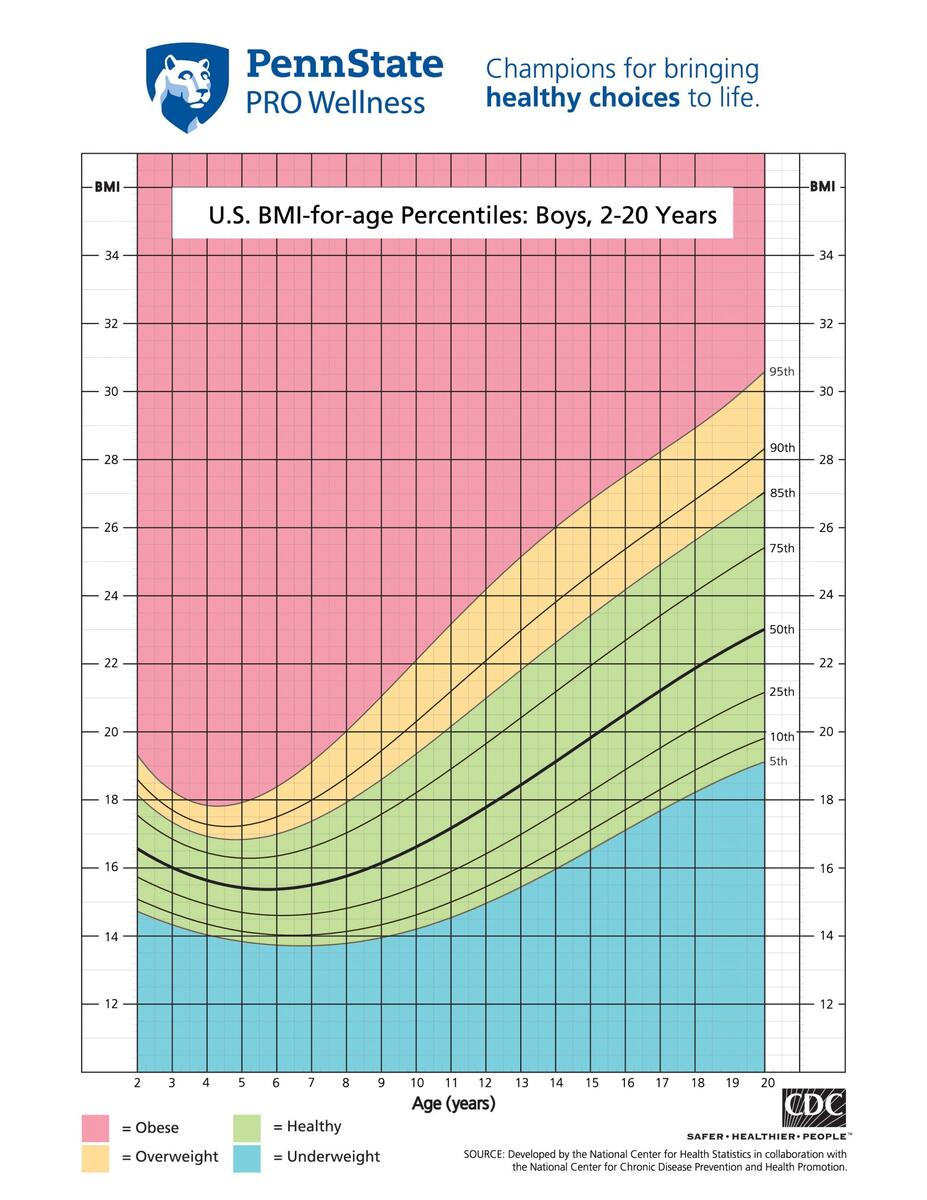
Using a BMI chart 2019 printable is an excellent way to track your weight management progress and set realistic goals. By plotting your BMI on the chart, you can see how your weight status changes over time and make adjustments to your diet and exercise routine as needed. Additionally, a BMI chart can help you identify potential health risks associated with your weight status, allowing you to take proactive steps to mitigate these risks and maintain a healthy weight.
Healthy You Penn State PRO Wellness
In conclusion, a BMI chart 2019 printable is a valuable tool for anyone looking to manage their weight and improve their overall health. By understanding the BMI categories, calculating your BMI, and using a BMI chart to track your progress, you can take control of your weight status and reduce your risk of weight-related health problems. So why not download your free BMI chart 2019 printable today and start your journey to a healthier, happier you?
Learn How To Prevent Diabetes The Villages Health
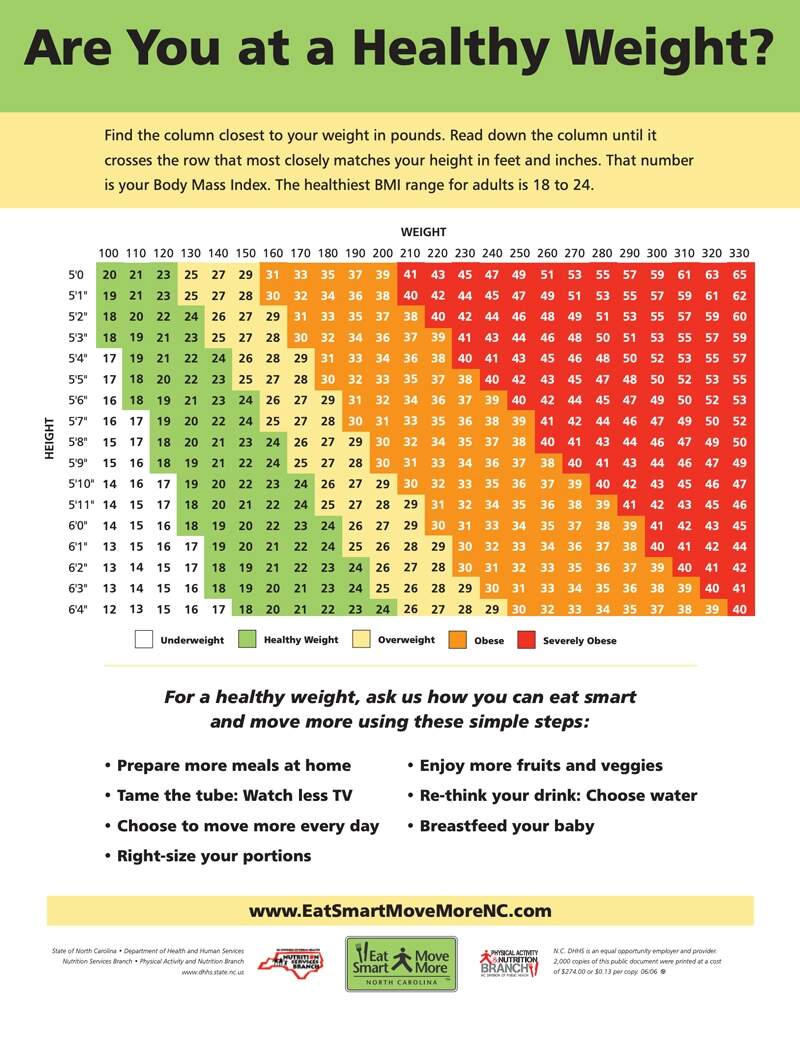
BMI Chart Eat Smart Move More NC