Maintaining a respectful and focused learning environment is crucial for effective teaching and learning. One often overlooked aspect of classroom management is voice levels. Students need to understand that different situations require different voice levels, and it’s the teacher’s responsibility to guide them. A free printable voice level chart can be a valuable tool in achieving this goal.
A voice level chart is a visual reminder that helps students recognize and adjust their voice levels according to the activity or situation. It typically consists of a series of numbers or colors, each representing a different voice level, from silent to loud. By displaying this chart in the classroom, teachers can encourage students to be more mindful of their voice levels and promote a culture of respect and consideration for others.
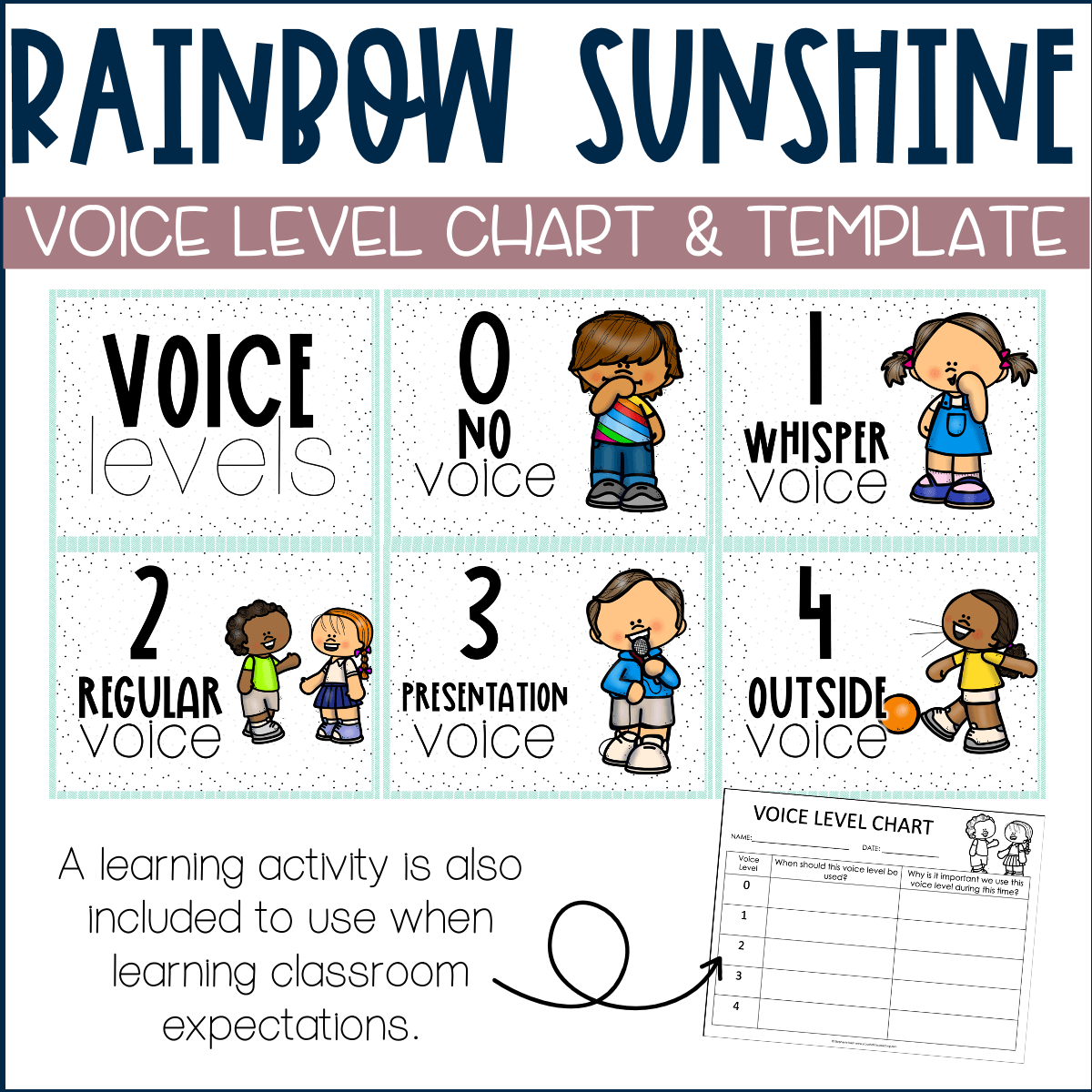
Voice Level Chart Stephanie Nash A Touch Of Class Teaching
Understanding Voice Levels
Understanding voice levels is the first step in implementing a voice level chart in the classroom. The chart usually ranges from zero to four, with zero indicating silence and four representing a loud voice. Teachers can explain each level to their students, providing examples of when each level is appropriate. For instance, level one might be a whisper, while level three could be a conversation voice. By helping students understand the different voice levels, teachers can empower them to make informed choices about their own voice levels.
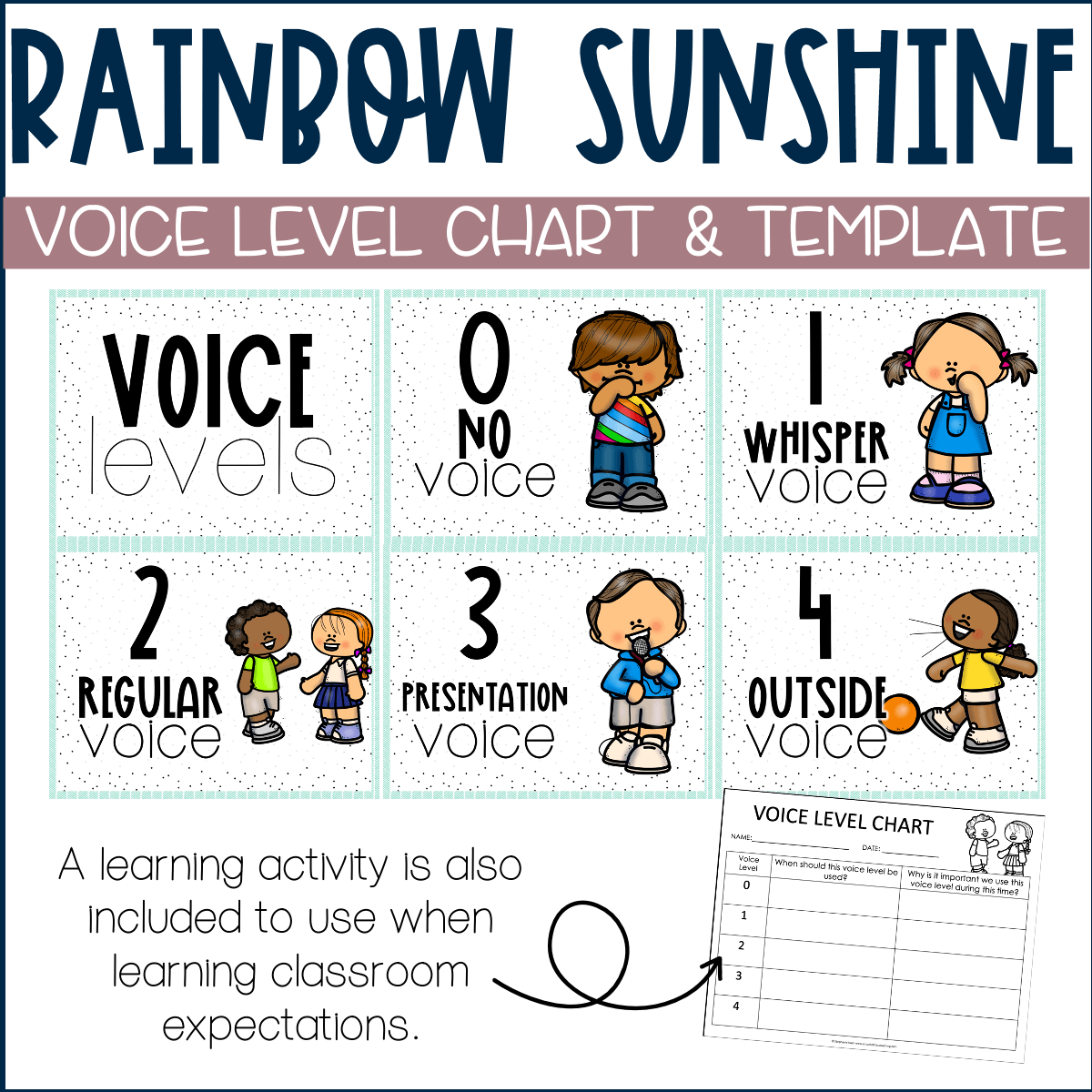
Voice Level Chart Stephanie Nash A Touch Of Class Teaching
Benefits of a Voice Level Chart
The benefits of a voice level chart are numerous. Not only does it help students develop self-regulation skills, but it also promotes a more respectful and considerate classroom environment. When students are aware of their voice levels, they are more likely to respect their peers and the teacher, leading to a more positive and productive learning atmosphere. Additionally, a voice level chart can be a useful tool for teachers to manage their own voice levels, ensuring they are modeling the behavior they expect from their students.
Implementing the Chart in the Classroom
Implementing the chart in the classroom requires some planning and consistency. Teachers should introduce the chart at the beginning of the year or semester, explaining its purpose and how it will be used. They can then refer to the chart throughout the day, reminding students to adjust their voice levels as needed. It’s also essential to provide feedback and reinforcement, acknowledging students when they demonstrate appropriate voice levels. By making the voice level chart a integral part of the classroom routine, teachers can create a more harmonious and effective learning environment.
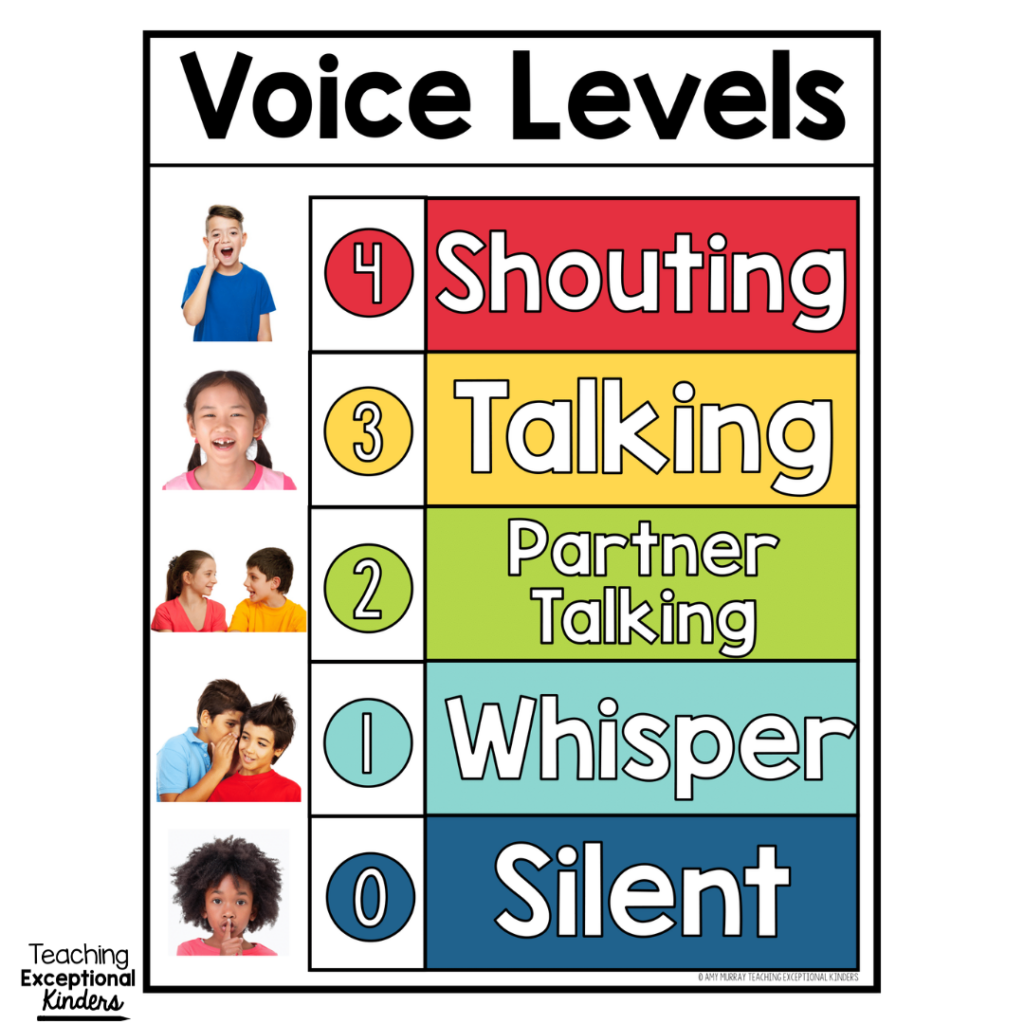
Tips For Teaching Voice Levels In The Classroom Teaching Exceptional Kinders
In conclusion, a free printable voice level chart is a simple yet effective tool for promoting a respectful and focused classroom environment. By understanding voice levels, recognizing the benefits of a voice level chart, and implementing it consistently, teachers can empower their students to take control of their own voice levels and create a more positive and productive learning atmosphere. With the numerous benefits it offers, a voice level chart is an essential resource for any teacher looking to improve their classroom management skills.
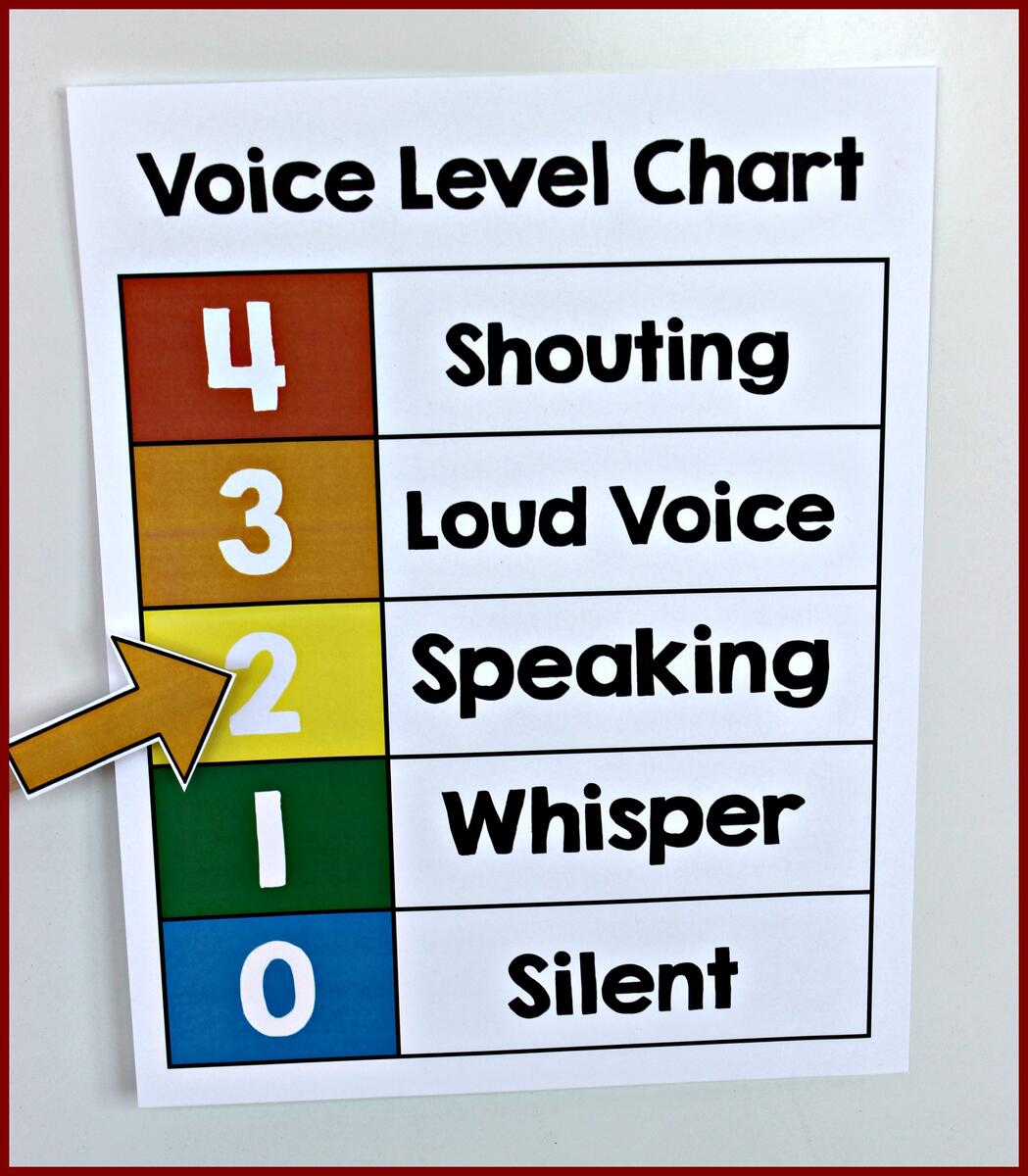
Voice Level Chart FREEBIE Blog MakeTakeTeach
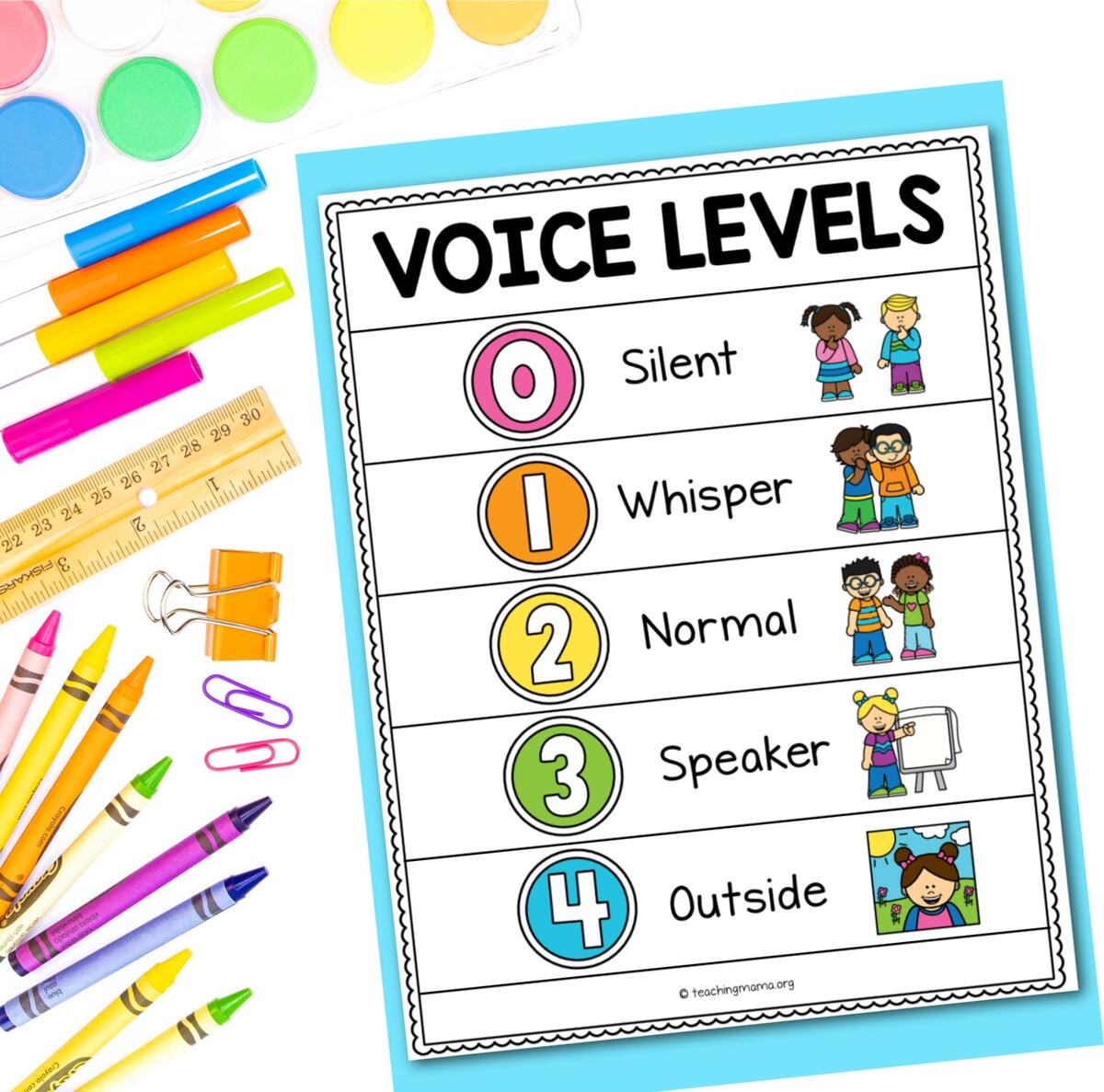
Voice Level Posters Teaching Mama