The Korean alphabet, also known as Hangul, is a unique and fascinating writing system that consists of 14 consonants and 10 vowels. It was created in the 15th century by King Sejong, the fourth king of the Joseon Dynasty, with the aim of providing a simple and easy-to-learn writing system for the Korean people. Today, the Korean alphabet is used by millions of people around the world and is considered one of the most efficient and logical writing systems in the world.
Learning the Korean alphabet can seem daunting at first, but with the right tools and resources, it can be a fun and rewarding experience. One of the most effective ways to learn the Korean alphabet is by using a Korean alphabet chart, which provides a visual representation of the different characters and their pronunciation. A Korean alphabet chart printable can be especially helpful, as it allows you to print out the chart and practice writing the characters by hand.
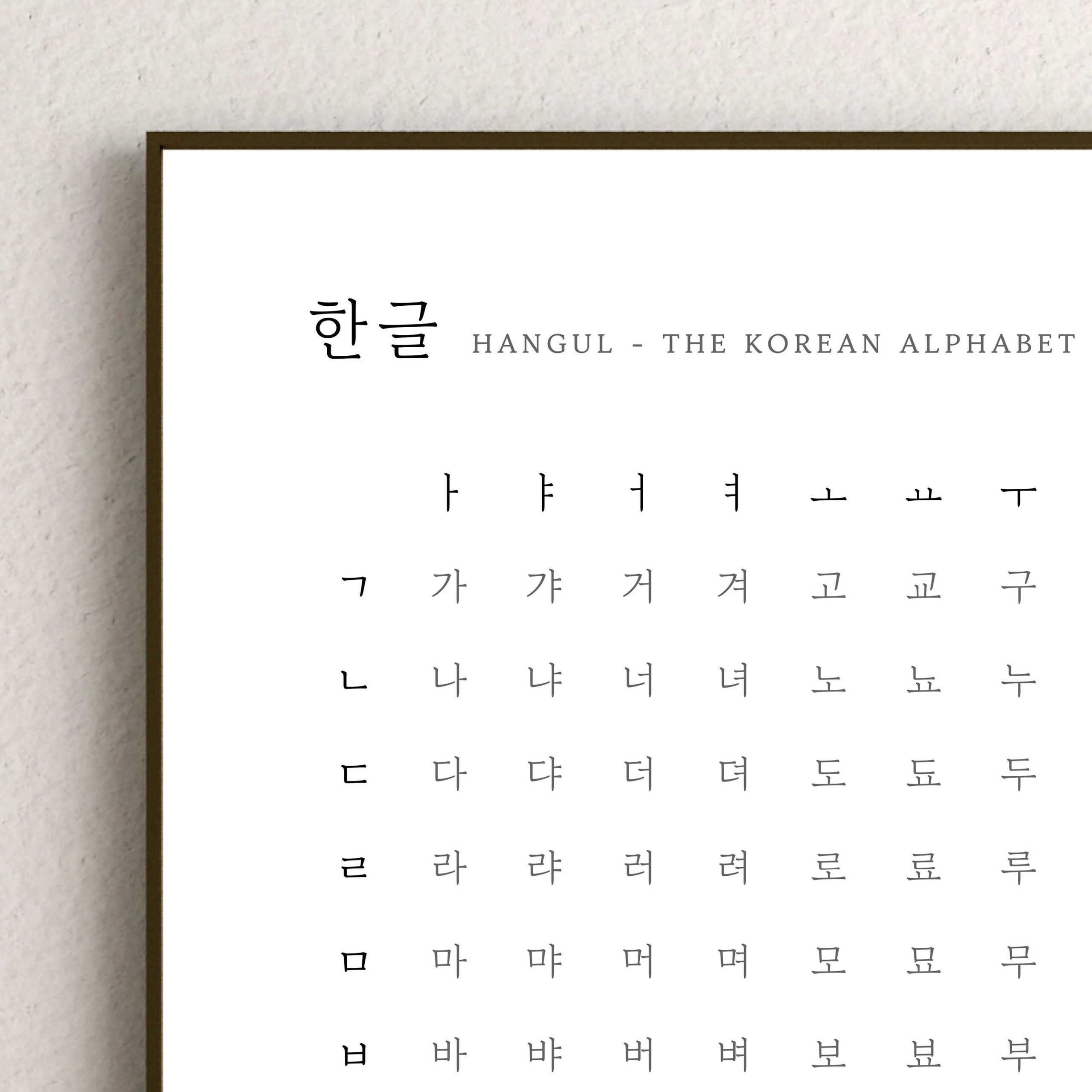
Korean Alphabet Chart Hangul Learning Art Print Digital Download Etsy
Introduction to the Korean Alphabet
The Korean alphabet is made up of 14 consonants and 10 vowels, which are combined to form syllables. The consonants are categorized into two groups: basic consonants and double consonants. The vowels are also categorized into two groups: basic vowels and double vowels. Understanding the different categories of consonants and vowels is essential to learning the Korean alphabet, and a Korean alphabet chart can help you to visualize and memorize the different characters.
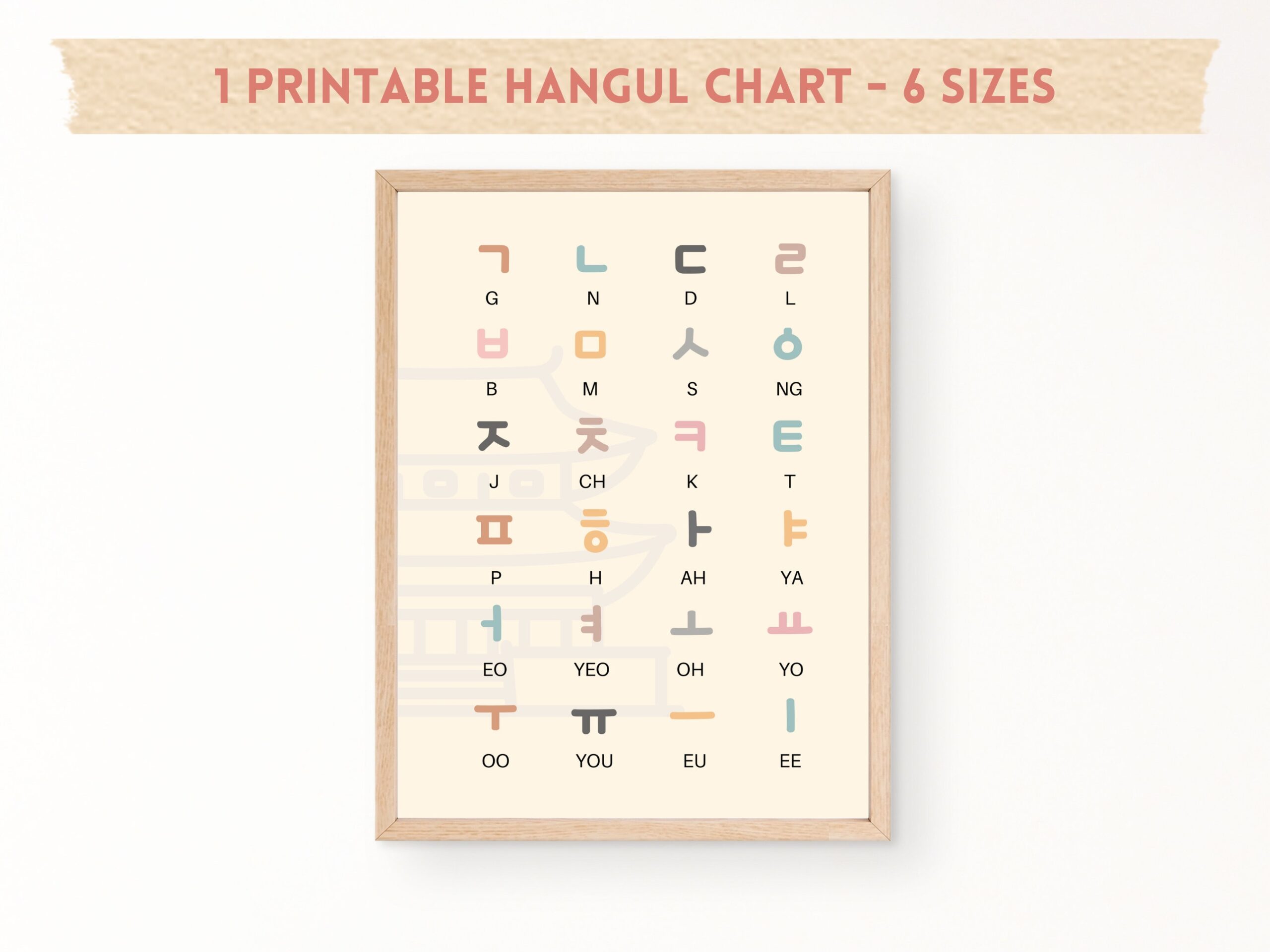
Hangul Chart Korean Alphabet Learning Poster Digital Download Etsy
Benefits of Using a Korean Alphabet Chart
Using a Korean alphabet chart can have numerous benefits for language learners. For one, it can help you to learn the correct pronunciation of the different characters, which is essential for speaking and listening comprehension. Additionally, a Korean alphabet chart can help you to recognize and write the characters more quickly and accurately, which can save you time and effort in the long run. Furthermore, a Korean alphabet chart can be a useful reference tool, allowing you to look up characters and their pronunciation at any time.
How to Use Your Korean Alphabet Chart Printable
To get the most out of your Korean alphabet chart printable, it’s essential to use it in conjunction with other language learning resources, such as textbooks, language learning apps, and practice exercises. You can start by printing out the chart and practicing writing the characters by hand, then move on to more advanced exercises such as reading and writing Korean texts. You can also use the chart to quiz yourself on the different characters and their pronunciation, which can help you to reinforce your learning and build your confidence.
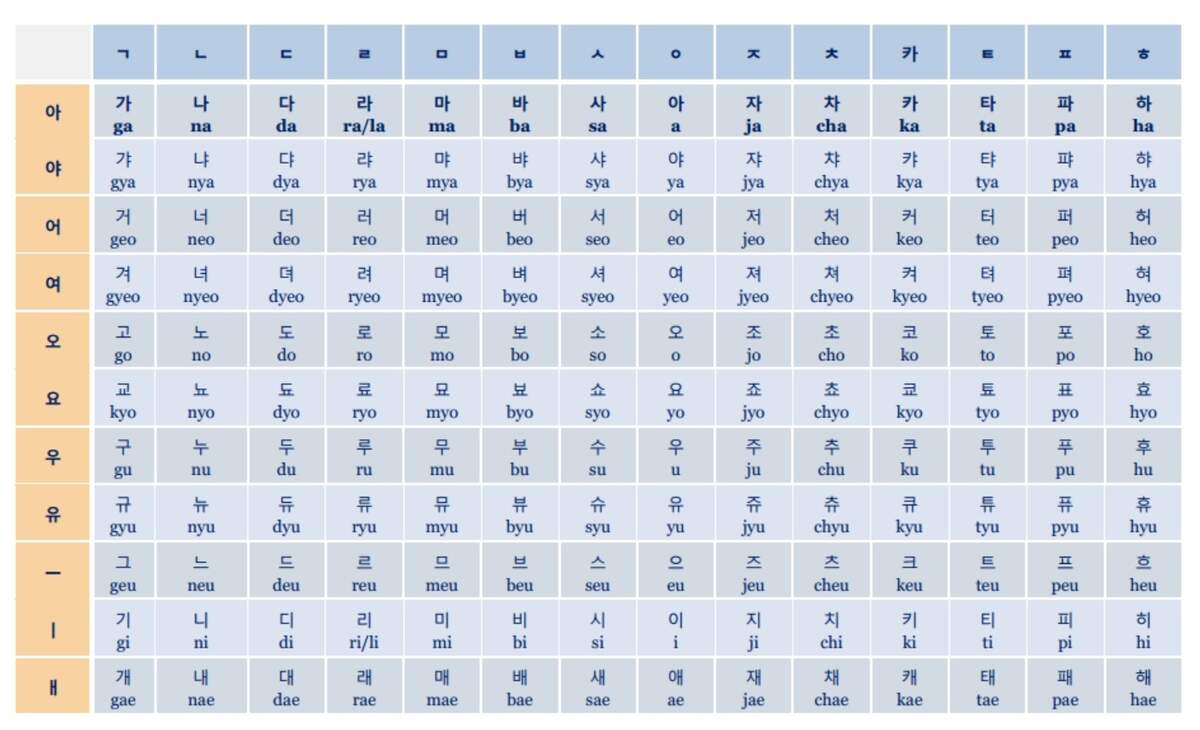
Alphabet Flash Cards Printable Korean Hangul Flashcards Digital Alphabet Flashcards
In conclusion, a Korean alphabet chart printable is a valuable resource for anyone looking to learn the Korean language. By providing a visual representation of the different characters and their pronunciation, it can help you to learn the Korean alphabet more quickly and effectively. Whether you’re a beginner or an advanced language learner, a Korean alphabet chart printable is an essential tool that can help you to achieve your language learning goals.
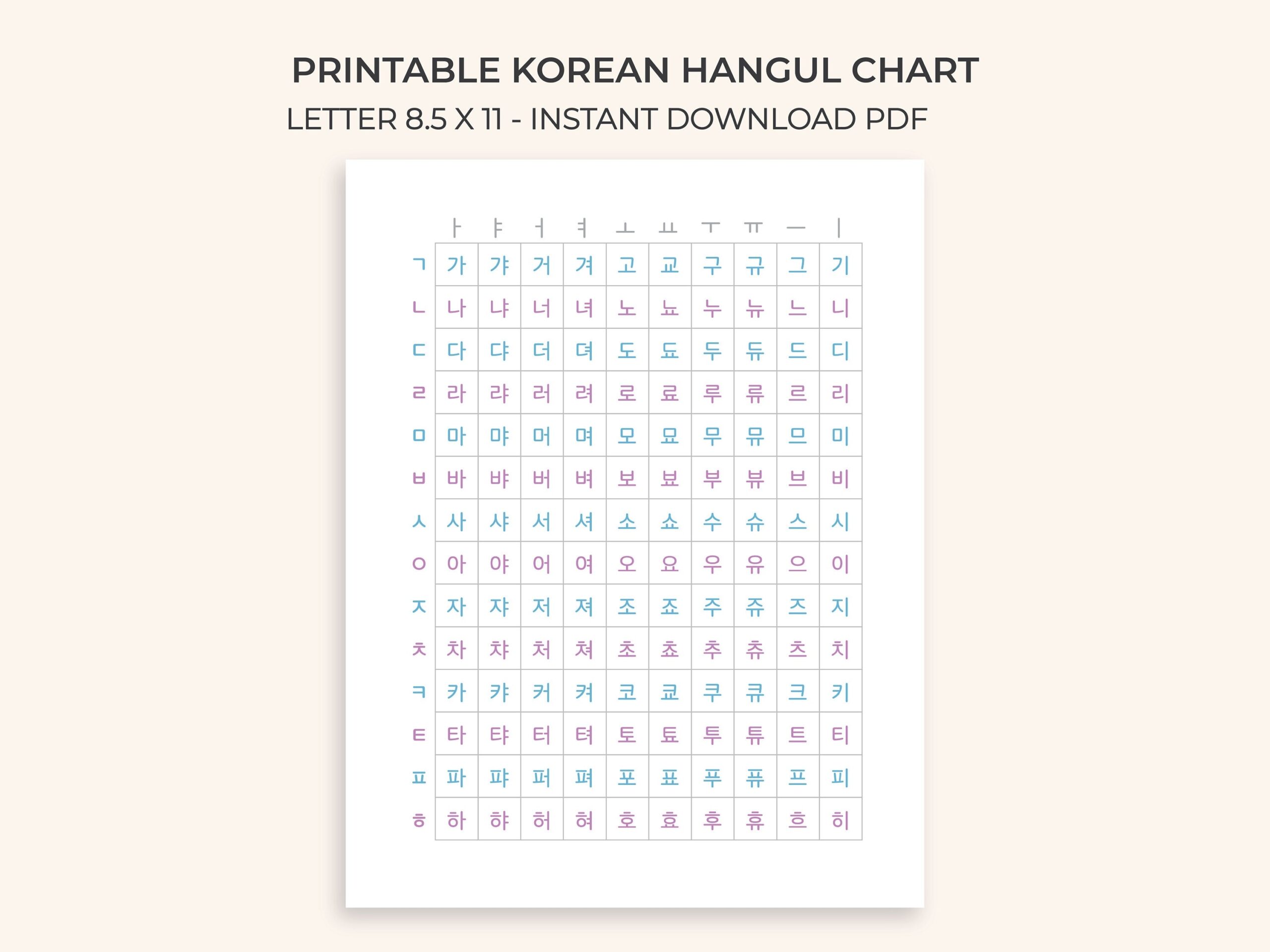
Printable Hangul Korean Alphabet Chart Poster Guide Grid Letters Studying School Combinations Color Instant Download PDF Reference Language Etsy
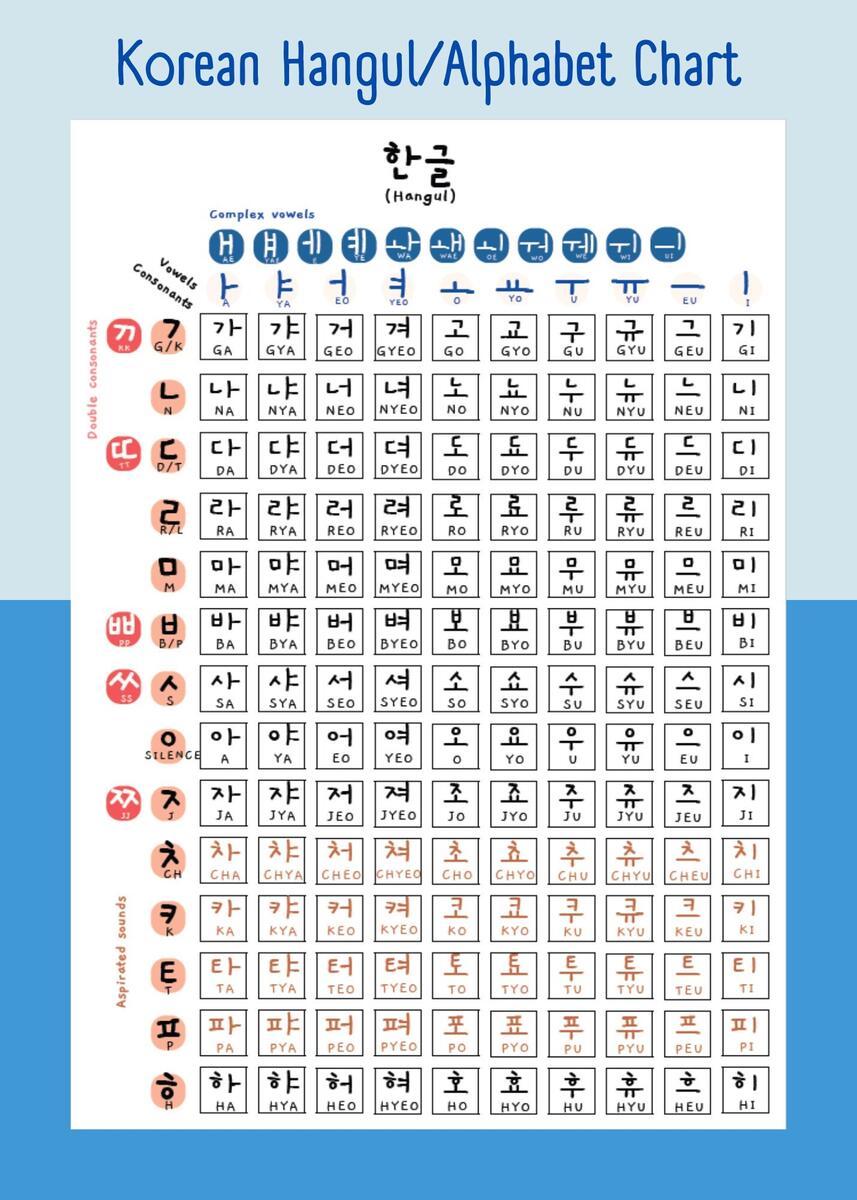
Korean Hangul Alphabet Printable Downloads Hangul Chart Hangul Study Poster Korean Language Learning Poster Room Decor A1 A2 A3 A4 Etsy