The opioid epidemic has become a significant public health concern in recent years, affecting millions of people worldwide. The crisis has led to a substantial increase in overdose-related deaths, with opioids being the primary cause of these fatalities. Understanding the scope and impact of the opioid epidemic is crucial for developing effective strategies to combat it. By analyzing data and statistics, we can identify trends, patterns, and areas that require immediate attention.
The importance of education and awareness in addressing the opioid epidemic cannot be overstated. Educating the public about the risks associated with opioid use, the signs of addiction, and the available treatment options is essential for preventing further cases of addiction and overdose. One effective way to convey complex information about the opioid epidemic is through the use of visual aids, such as printable charts and graphs. These visual tools can help simplify data, making it easier for people to understand and engage with the information.
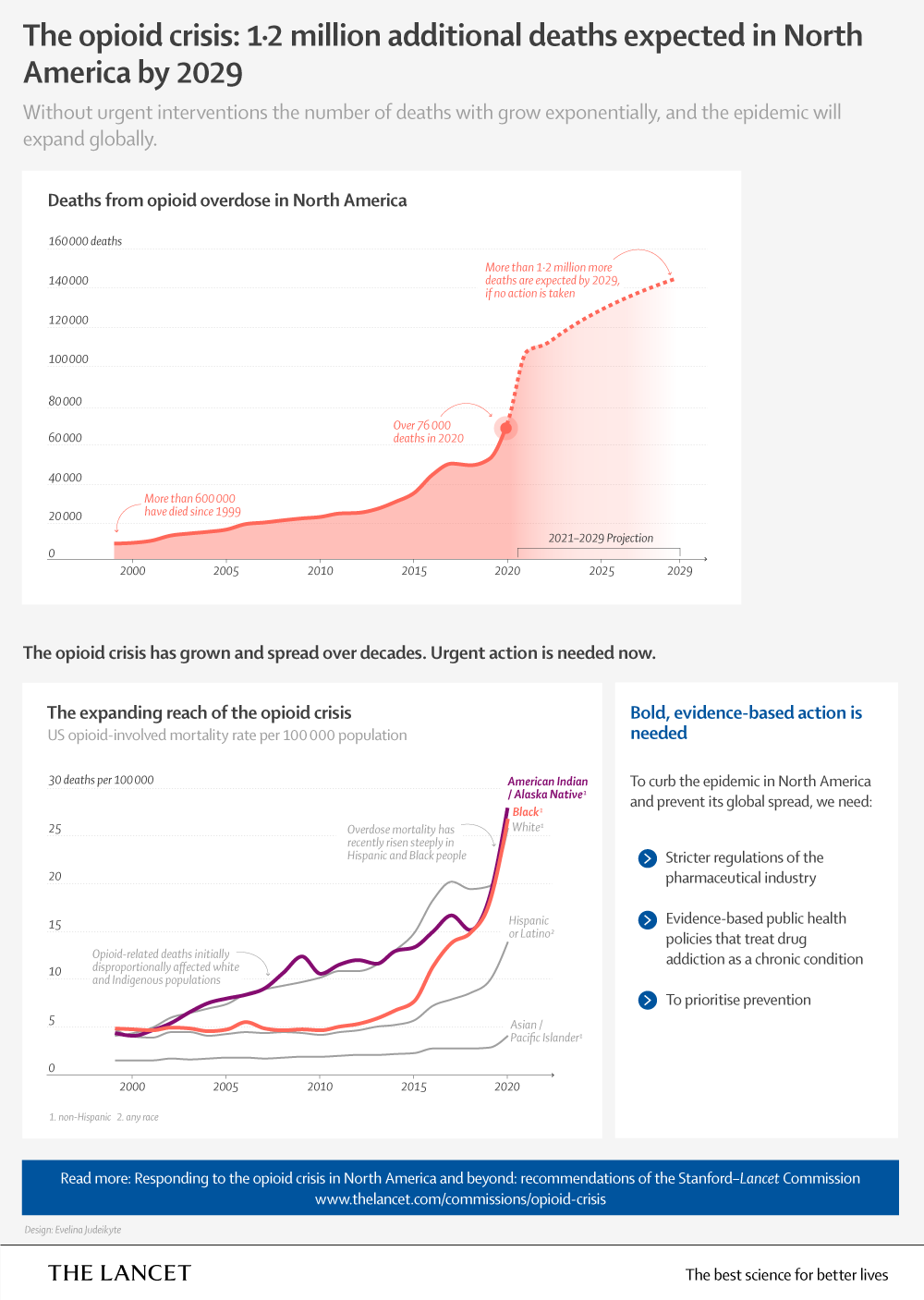
The Opioid Crisis In North America
Opioid Epidemic Overview
The opioid epidemic is a complex issue, involving multiple factors and stakeholders. To comprehend the crisis, it’s essential to have a comprehensive overview of the situation. Printable charts and graphs can provide a concise and informative summary of the opioid epidemic, covering topics such as the history of the crisis, the types of opioids involved, and the demographic groups most affected. By examining these visual aids, individuals can gain a deeper understanding of the epidemic and its far-reaching consequences.
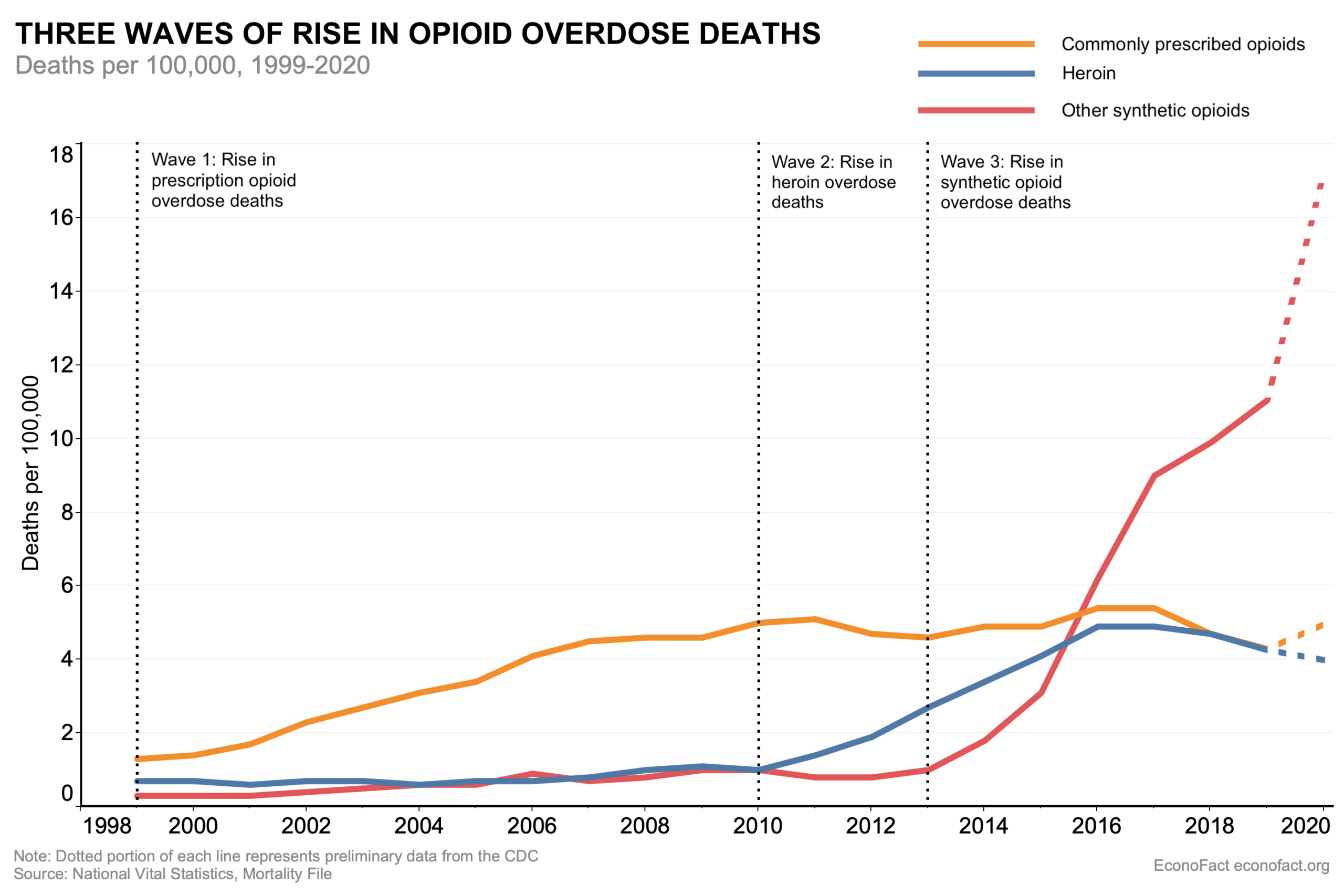
How Opioid Overdoses Reached Crisis Levels Econofact
Printable Charts and Graphs for Education
Printable charts and graphs are valuable resources for educating people about the opioid epidemic. These visual tools can be used in various settings, including schools, community centers, and healthcare facilities, to raise awareness and promote discussion about the crisis. By utilizing printable charts and graphs, educators and healthcare professionals can help individuals understand the risks associated with opioid use, the signs of addiction, and the available treatment options. This can lead to better-informed decisions and a reduction in the number of people affected by the opioid epidemic.
Using Visual Aids for Awareness
Using visual aids, such as printable charts and graphs, is an effective way to raise awareness about the opioid epidemic. These tools can help communicate complex information in a clear and concise manner, making it easier for people to understand the crisis and its implications. By incorporating printable charts and graphs into awareness campaigns, organizations and individuals can help spread knowledge and promote action to address the opioid epidemic. This can involve sharing the visual aids on social media, distributing them in public areas, or using them in educational presentations.
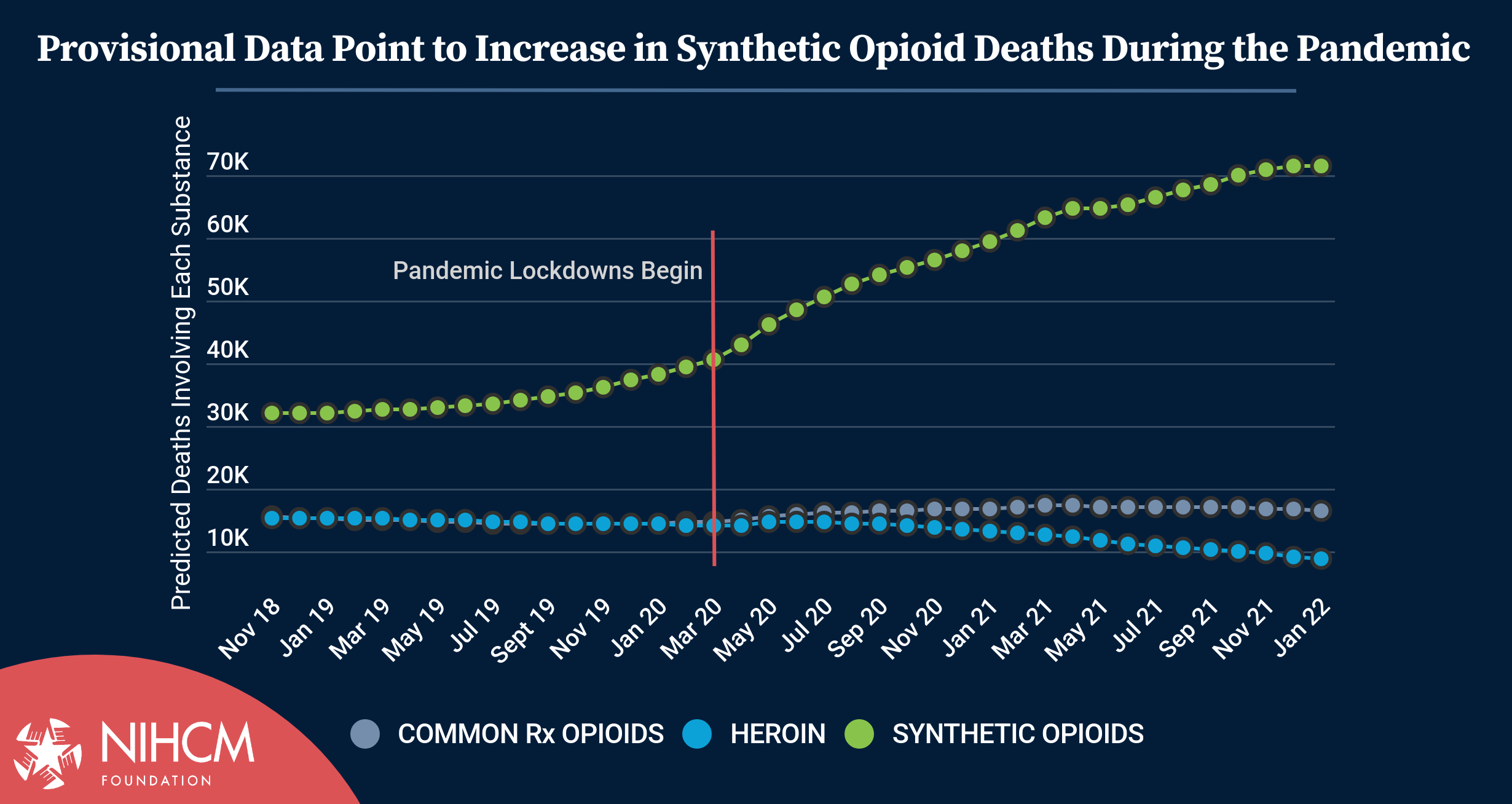
Visualizing The Impact Of The Opioid Overdose Crisis
In conclusion, the opioid epidemic is a serious public health concern that requires immediate attention and action. By utilizing printable charts and graphs, we can educate people about the crisis, raise awareness, and promote discussion about the issue. These visual aids can help simplify complex data, making it easier for individuals to understand the opioid epidemic and its consequences. As we continue to address this crisis, it’s essential to leverage all available resources, including printable charts and graphs, to create a better-informed and more engaged community.
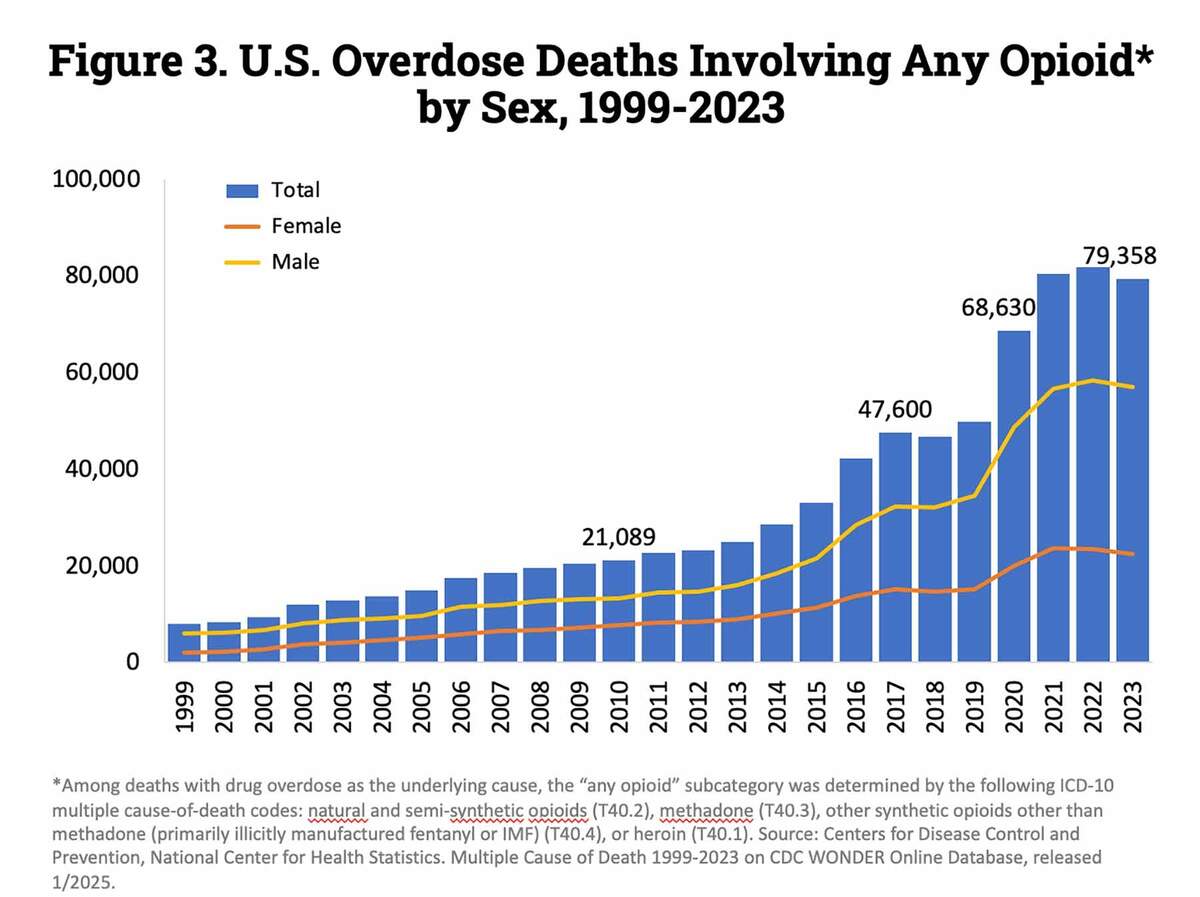
File US Timeline Opioid Deaths Jpg Wikimedia Commons
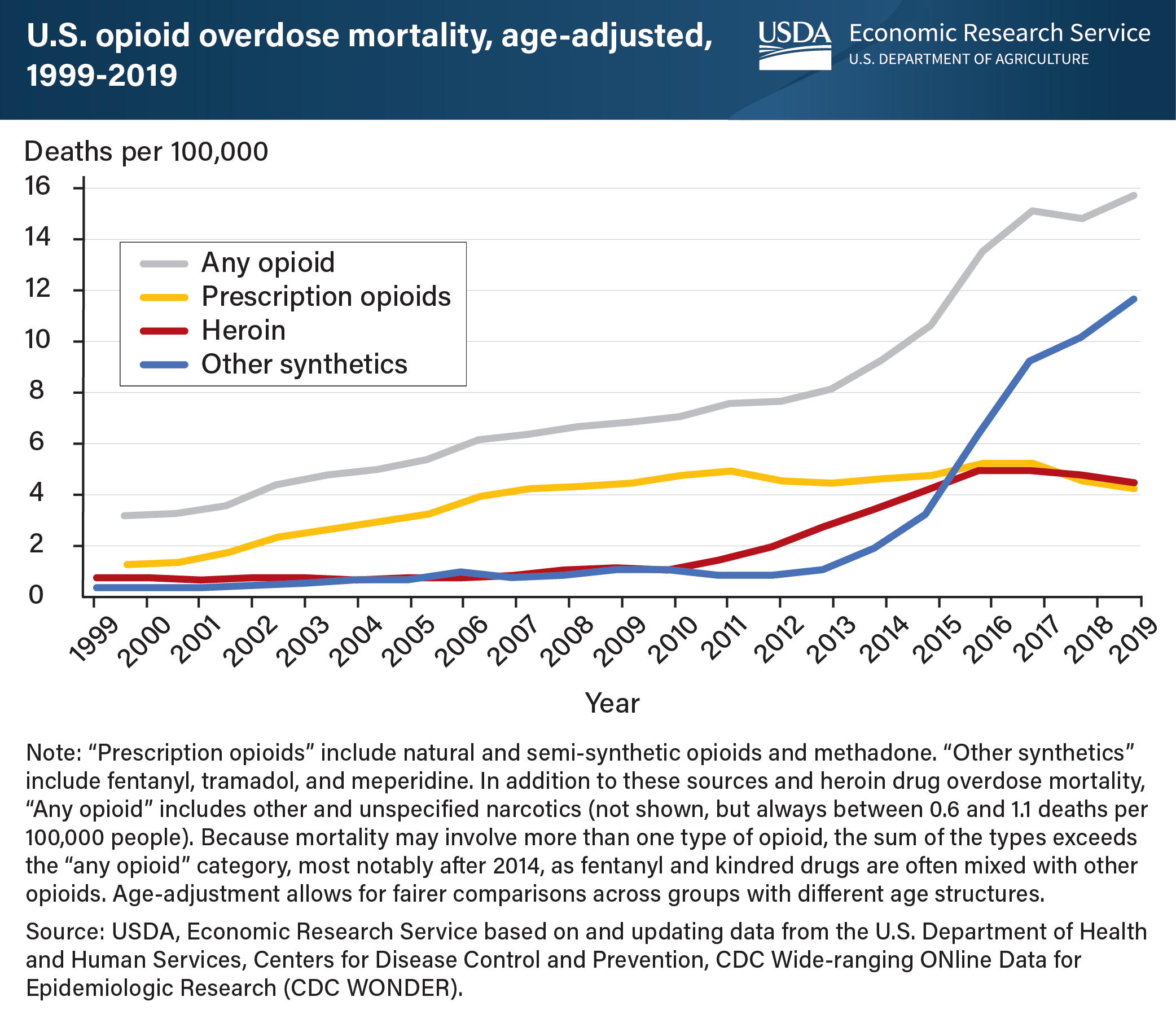
Fentanyl And Other Illicit Opioids Replaced Prescription Drugs As Drivers Of The Opioid Epidemic In 2011 Economic Research Service