Teaching students about point of view is a crucial aspect of literacy education, as it helps them understand different perspectives and develop critical thinking skills. A point of view anchor chart is a valuable tool that can aid in this process, providing a visual representation of the various narrative perspectives. By utilizing a point of view anchor chart, educators can create engaging and interactive lessons that cater to diverse learning styles.
The significance of point of view in literature and everyday communication cannot be overstated. It is the foundation upon which stories are built, influencing how characters perceive and interact with their world. For students to fully appreciate and analyze texts, they must be able to identify and distinguish between different points of view. This is where a well-designed point of view anchor chart comes into play, serving as a reference point for students as they navigate through various literary works and real-life scenarios.
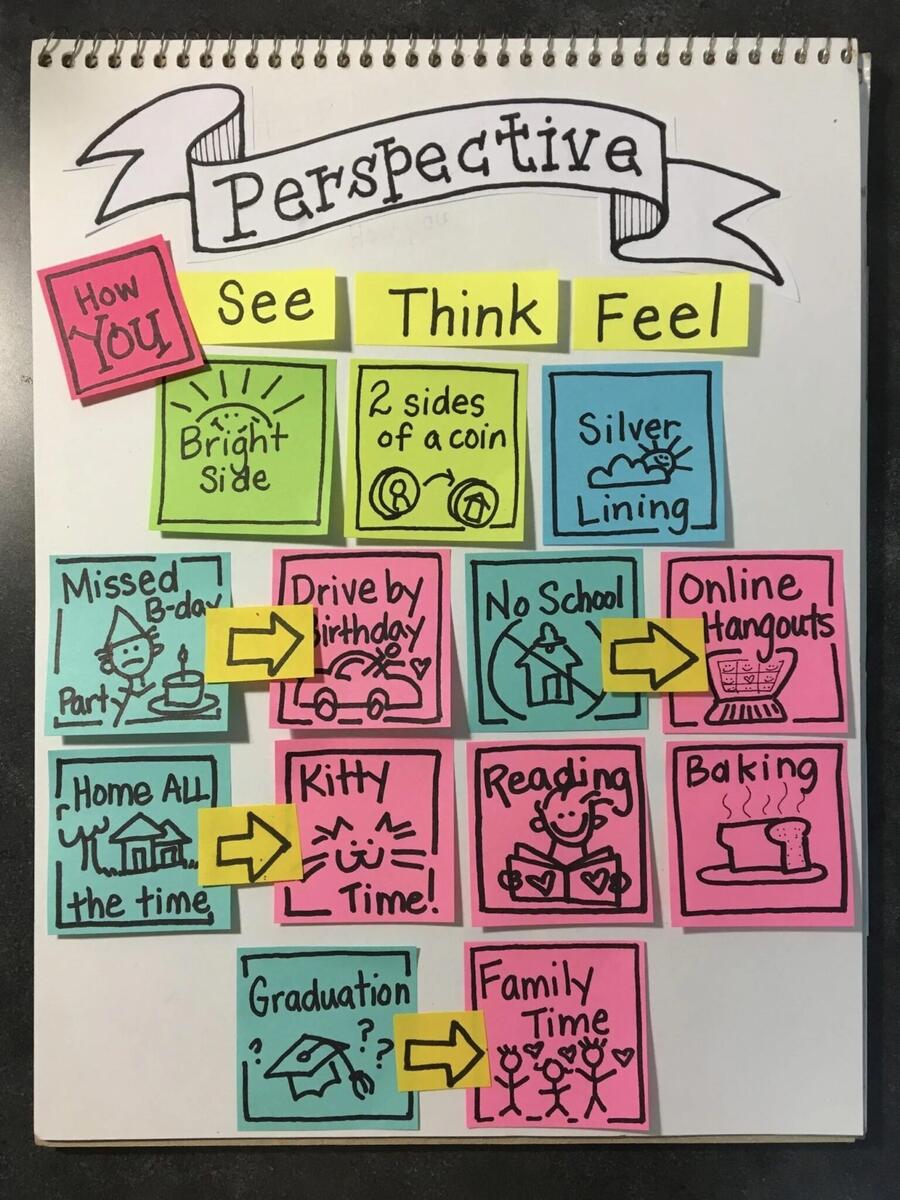
Top 17 Point Of View Anchor Charts You Can Use Instantly
Understanding Point of View
To grasp the concept of point of view, it’s essential to understand its definition and the different types that exist. Essentially, point of view refers to the perspective from which a story is told, which can be first person, second person, or third person. Each type has its unique characteristics and effects on the narrative, and a comprehensive point of view anchor chart should outline these differences. By understanding point of view, students can better interpret texts, empathize with characters, and develop their own writing skills.
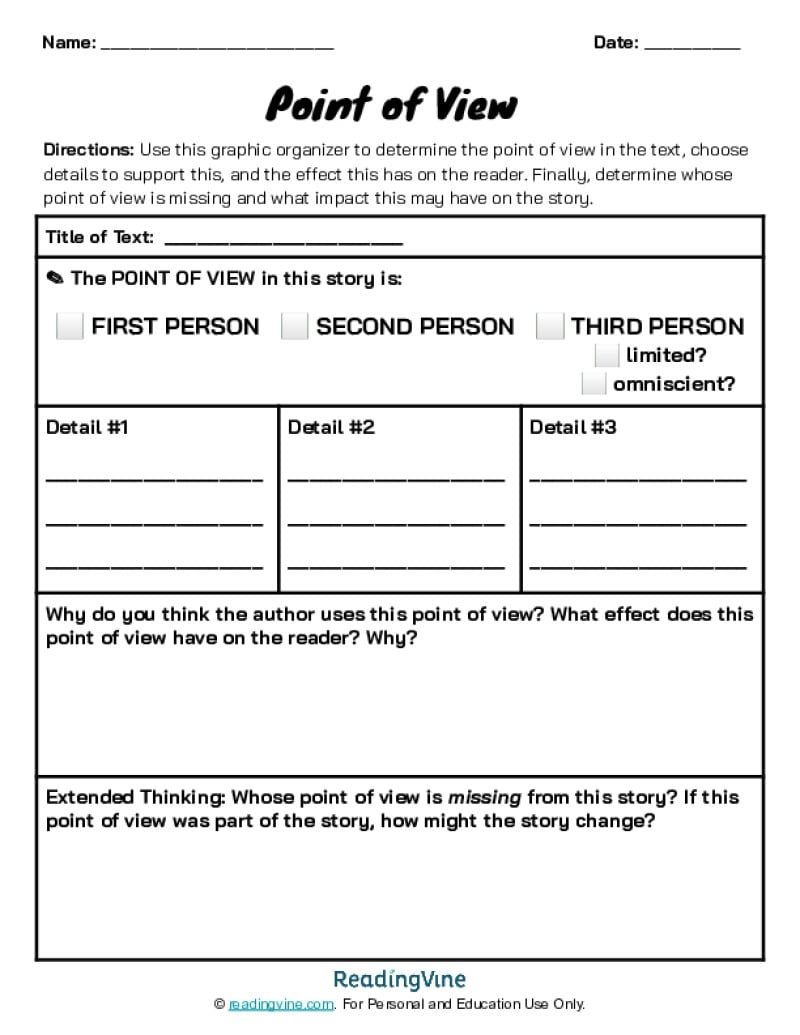
Point Of View Anchor Chart ReadingVine
Benefits of Using Anchor Charts
The benefits of using anchor charts in the classroom are multifaceted. Not only do they provide a clear and concise overview of complex concepts, but they also serve as a collaborative tool that fosters discussion and engagement among students. In the context of point of view, an anchor chart can help students visualize the relationships between different narrative perspectives, making it easier for them to apply this knowledge in their reading and writing activities. Moreover, anchor charts can be tailored to meet the needs of diverse learners, ensuring that all students have an equal opportunity to succeed.
How to Effectively Use Point of View Anchor Charts
To effectively use point of view anchor charts, teachers should consider several factors. First, the chart should be well-organized and easy to read, with clear definitions and examples of each point of view type. Second, it should be introduced in a way that sparks students’ interest and encourages participation. This could involve using real-life examples or interactive activities that demonstrate the importance of point of view in storytelling. Finally, the anchor chart should be regularly referenced throughout the lesson or unit, serving as a reminder of key concepts and reinforcing students’ understanding of point of view.
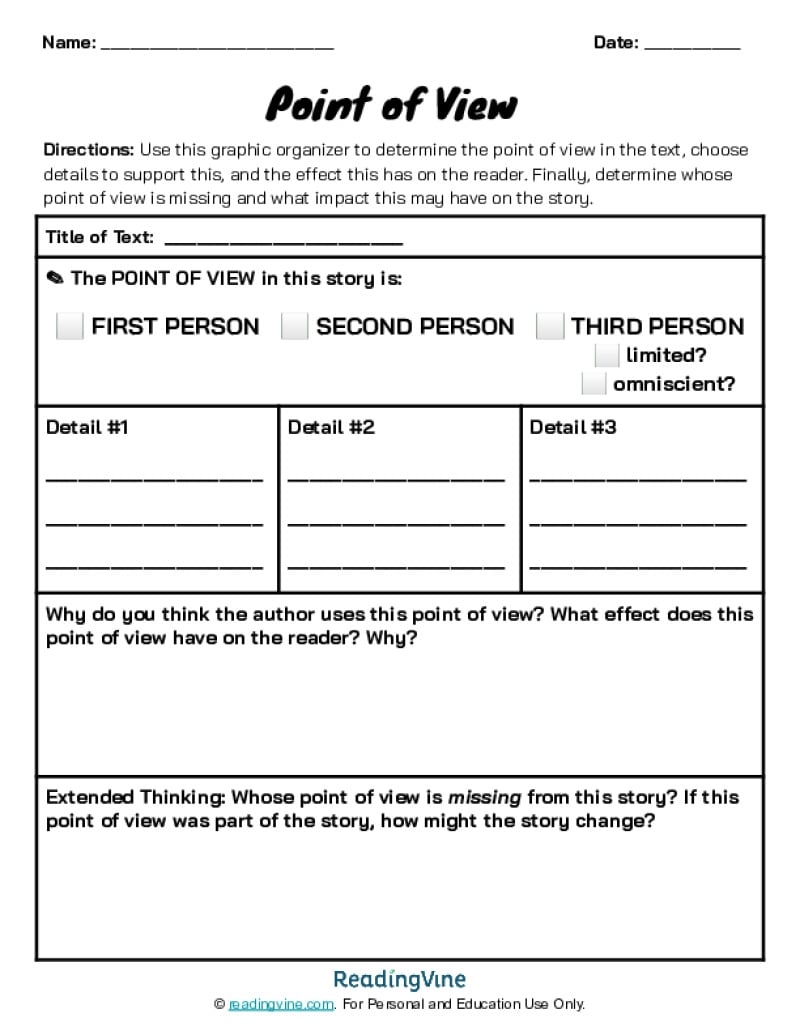
Point Of View Anchor Chart ReadingVine
Fortunately, there are numerous free printable point of view anchor charts available online, designed by experienced educators who understand the needs of teachers and students. These resources can be easily downloaded and printed, saving educators time and effort. When selecting a point of view anchor chart, consider the grade level and specific needs of your students, as well as the chart’s clarity, accuracy, and overall design. With the right point of view anchor chart and a well-planned lesson, you can unlock new perspectives and deepen your students’ understanding of this fundamental literary concept.
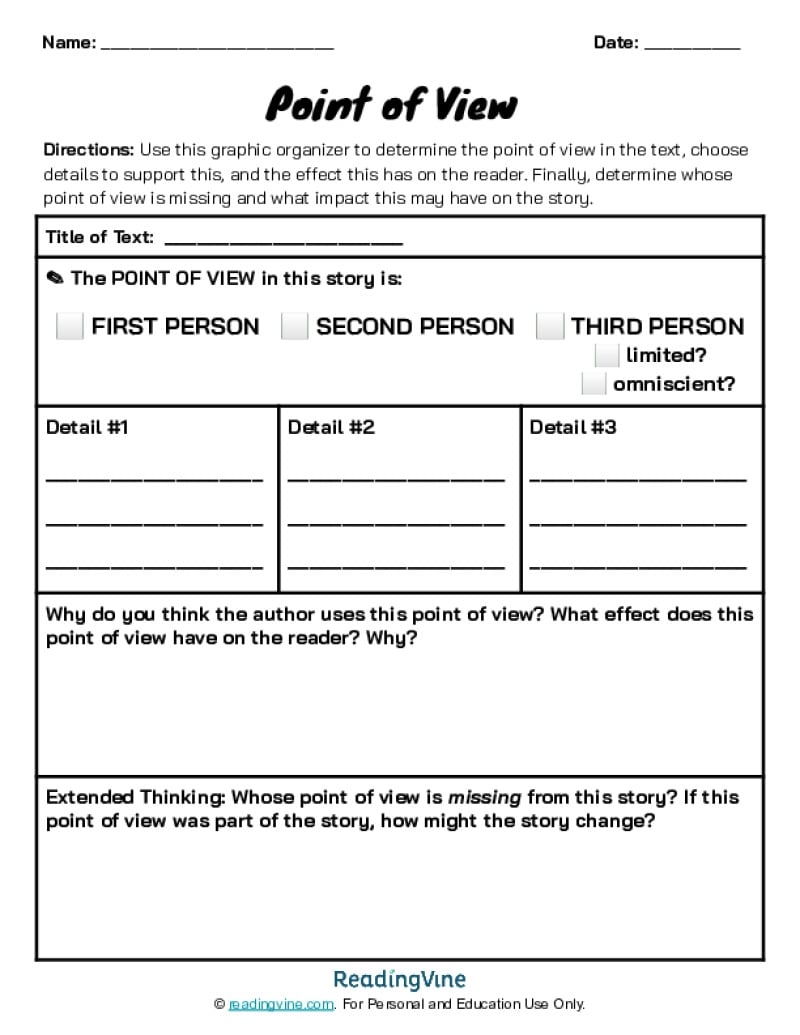
Point Of View Anchor Chart ReadingVine
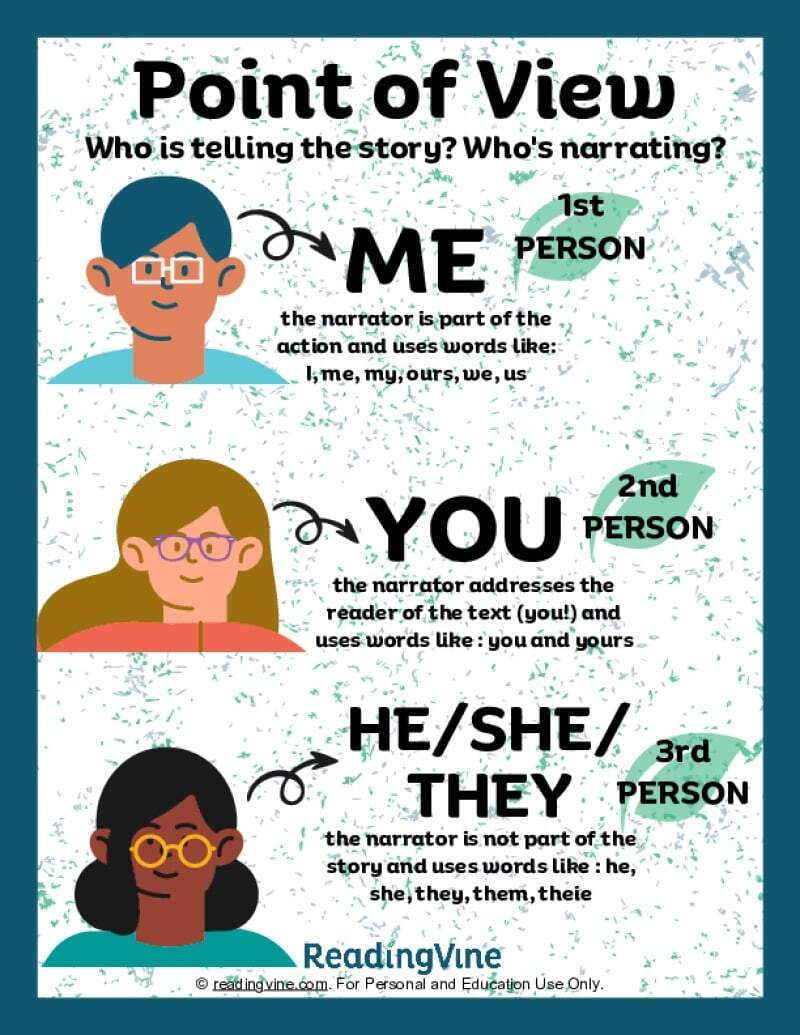
Point Of View Anchor Chart ReadingVine