Electronegativity is a fundamental concept in chemistry that measures the ability of an atom to attract electrons in a covalent bond. It is a crucial aspect of understanding the behavior of elements and their interactions with other atoms. The electronegativity of an element is typically represented by a numerical value, with higher values indicating a greater tendency to attract electrons. This concept is essential in predicting the polarity of molecules, the strength of chemical bonds, and the reactivity of elements.
The electronegativity of elements can be visualized using a periodic table or a chart, which provides a comprehensive overview of the electronegativity values of different elements. A printable electronegativity chart is a handy tool that allows students, researchers, and professionals to quickly reference and compare the electronegativity values of various elements. This chart can be used to identify patterns and trends in electronegativity, making it easier to understand and predict the behavior of elements in different chemical reactions.
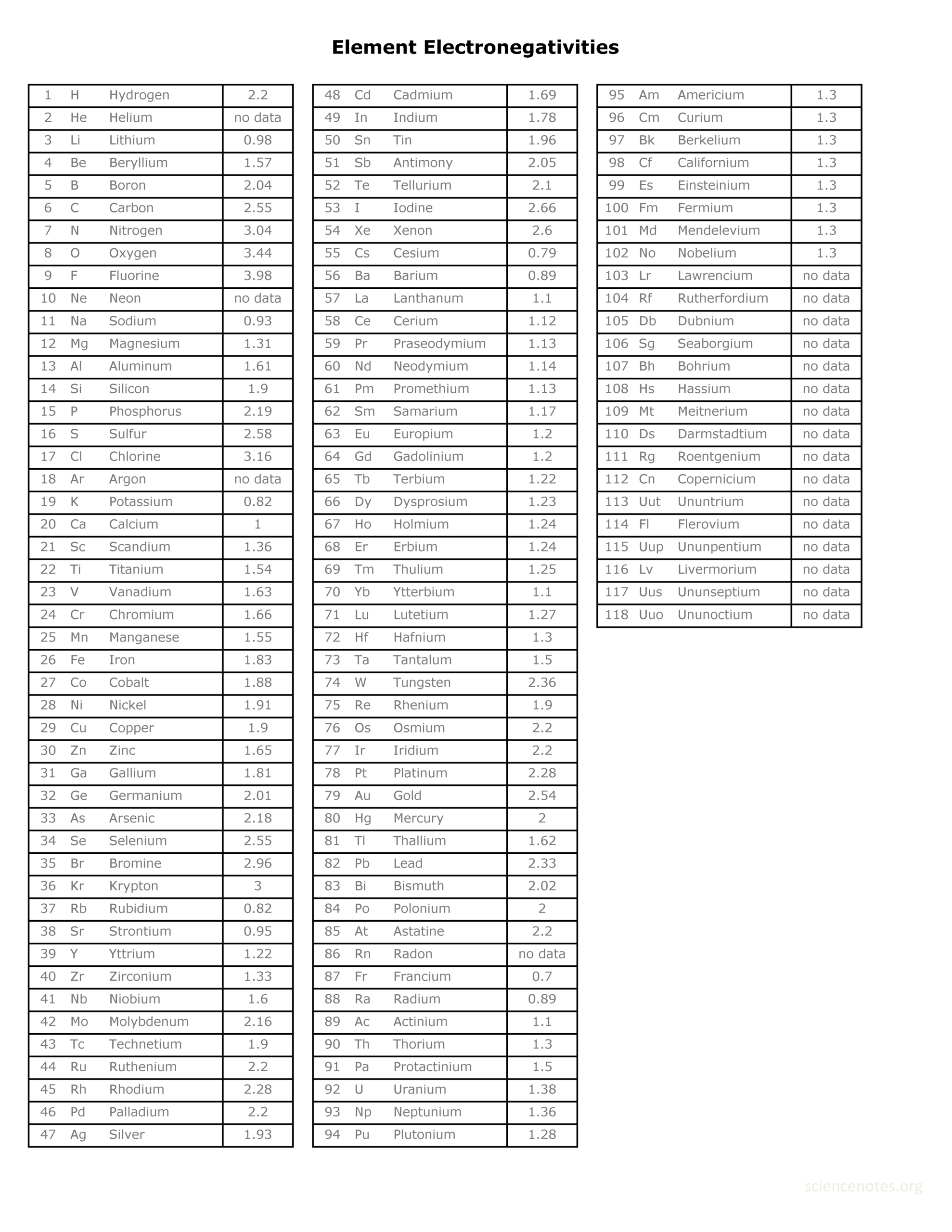
Electronegativity Chart PDF
What is Electronegativity?
Electronegativity is a measure of an atom’s ability to attract electrons in a covalent bond, and it is typically represented by a numerical value on the Pauling scale. The Pauling scale ranges from 0 to 4, with higher values indicating a greater tendency to attract electrons. The electronegativity of an element is influenced by the number of protons in its nucleus and the distance between the nucleus and the valence electrons. Understanding electronegativity is essential in chemistry, as it helps predict the polarity of molecules, the strength of chemical bonds, and the reactivity of elements.
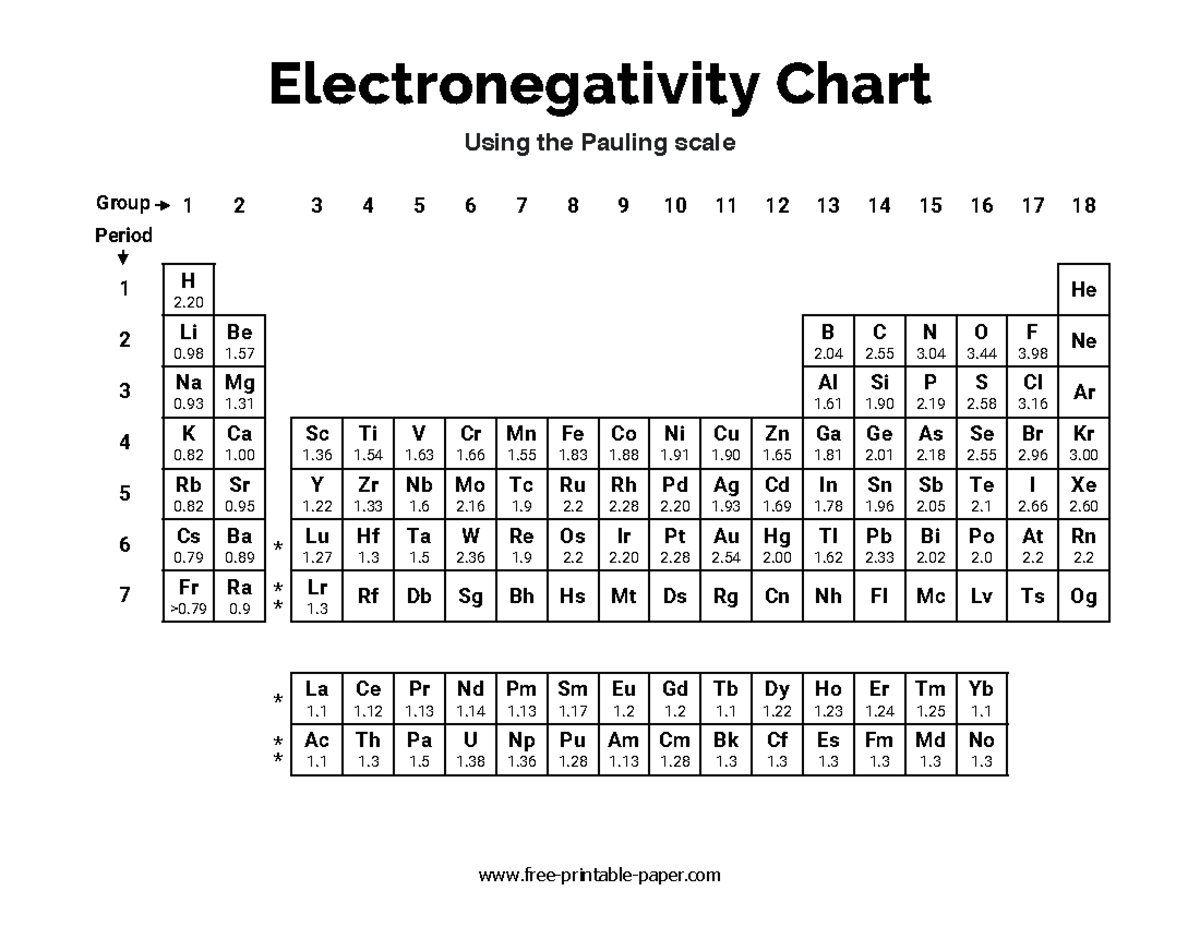
Electronegativity Chart Element Values Pauling Scale Info Studocu
How to Read a Printable Electronegativity Chart
A printable electronegativity chart is a useful tool for reading and understanding the electronegativity values of different elements. The chart typically displays the elements in a periodic table format, with their corresponding electronegativity values. The values are usually represented by a numerical value, with higher values indicating a greater tendency to attract electrons. By using a printable electronegativity chart, individuals can quickly identify the electronegativity values of different elements, compare them, and use this information to predict the behavior of elements in different chemical reactions.
Applications of Electronegativity in Chemistry
The applications of electronegativity in chemistry are numerous and diverse. Electronegativity is used to predict the polarity of molecules, the strength of chemical bonds, and the reactivity of elements. It is also used to understand the behavior of elements in different chemical reactions, such as acid-base reactions, oxidation-reduction reactions, and coordination reactions. Additionally, electronegativity is used in materials science to design and develop new materials with specific properties, such as conductivity, strength, and optical properties. By understanding electronegativity, researchers and professionals can design and develop new materials and technologies that have a wide range of applications in fields such as energy, medicine, and electronics.
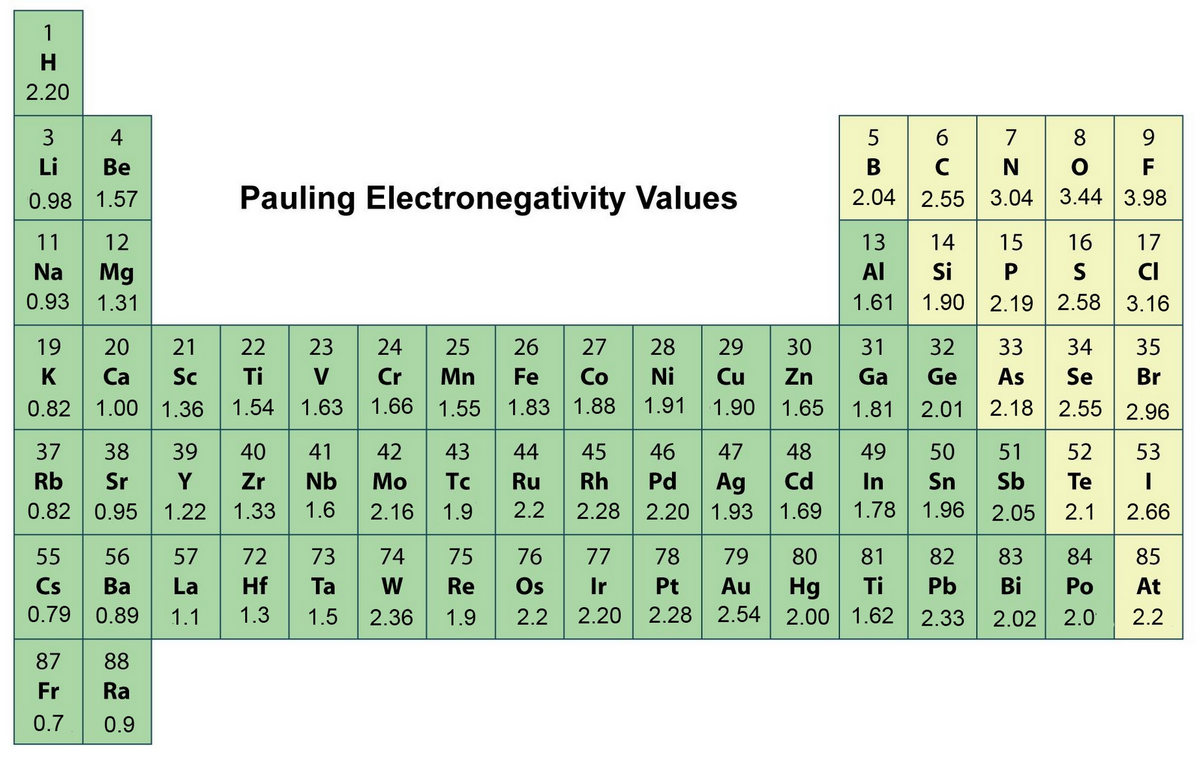
PERIODIC TABLE ELECTRONEGATIVITY NOBLE GASES PAULING ELECTRONEGATIVITY VALUES
In conclusion, a printable electronegativity chart is a valuable resource for anyone interested in chemistry. It provides a comprehensive overview of the electronegativity values of different elements, making it easier to understand and predict the behavior of elements in different chemical reactions. By using a printable electronegativity chart, individuals can gain a deeper understanding of the fundamental principles of chemistry and develop a stronger appreciation for the subject. Whether you are a student, researcher, or professional, a printable electronegativity chart is an essential tool that can help you unlock the power of elements and achieve your goals in chemistry.
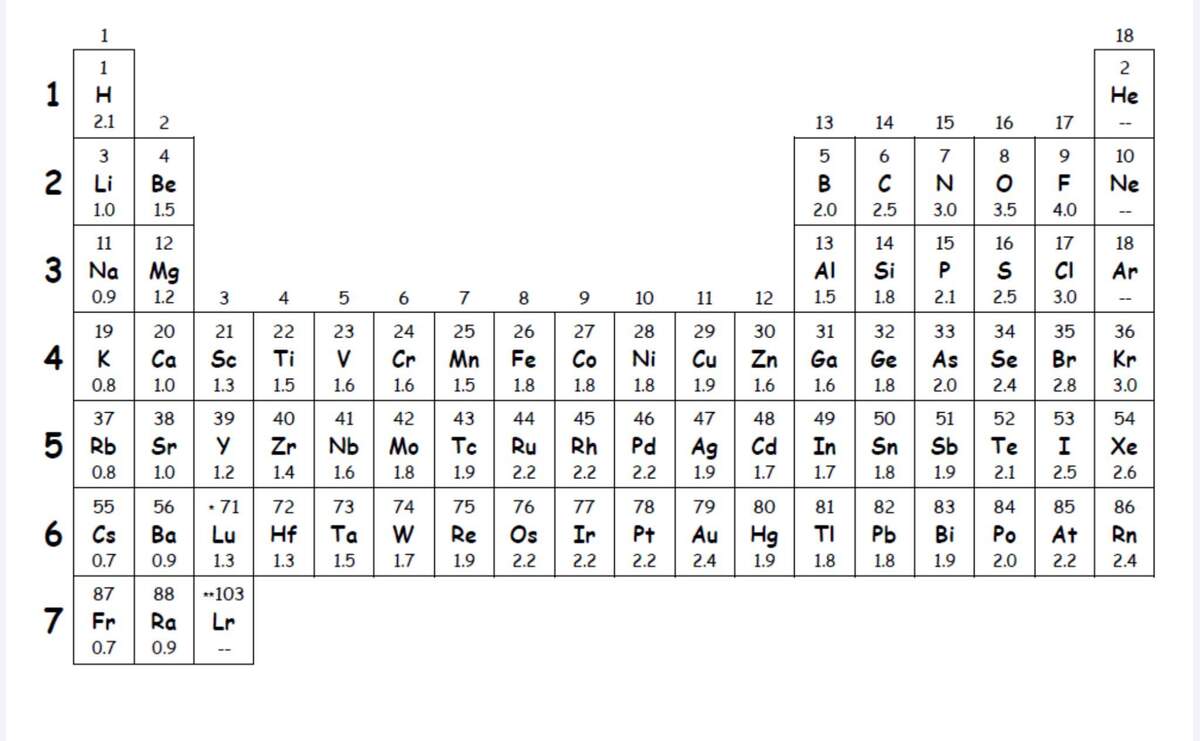
An Electronegativity Chart Written In Comic Sans For When You Teach Your 5 Year Old About Molecular Geometry And Bond Dipoles R CrappyDesign
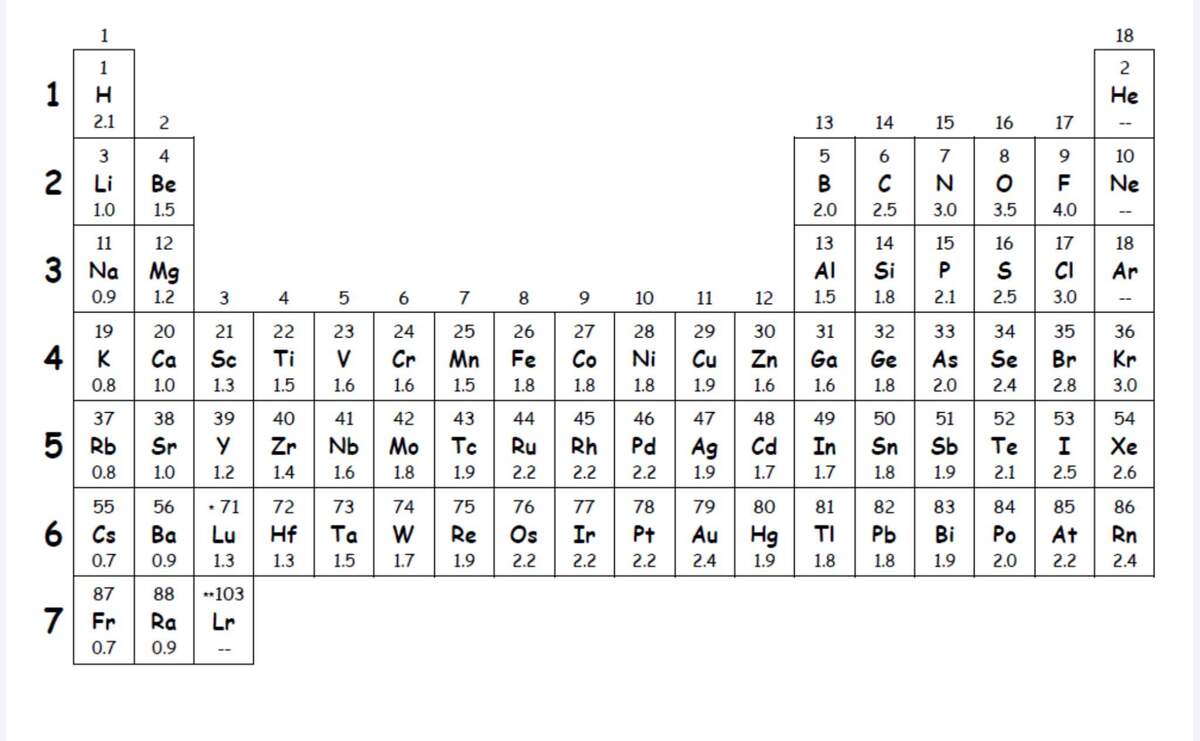
An Electronegativity Chart Written In Comic Sans For When You Teach Your 5 Year Old About Molecular Geometry And Bond Dipoles R CrappyDesign