Storytelling is an art that has been passed down for generations, captivating audiences and conveying meaningful messages. At the heart of every compelling story are key elements that work together to create a narrative that resonates with readers. These elements include characters, plot, setting, theme, conflict, and resolution, among others. Understanding how these components interact and contribute to the overall story is crucial for writers, educators, and anyone looking to improve their storytelling skills.
For writers and educators, having a tool to organize and visualize these story elements can be incredibly beneficial. A story elements chart provides a structured approach to analyzing and creating stories, helping to ensure that all critical components are considered. This tool is not only useful for writing novels or short stories but also for analyzing existing literature, understanding the mechanics of storytelling, and teaching students about the fundamentals of narrative construction.
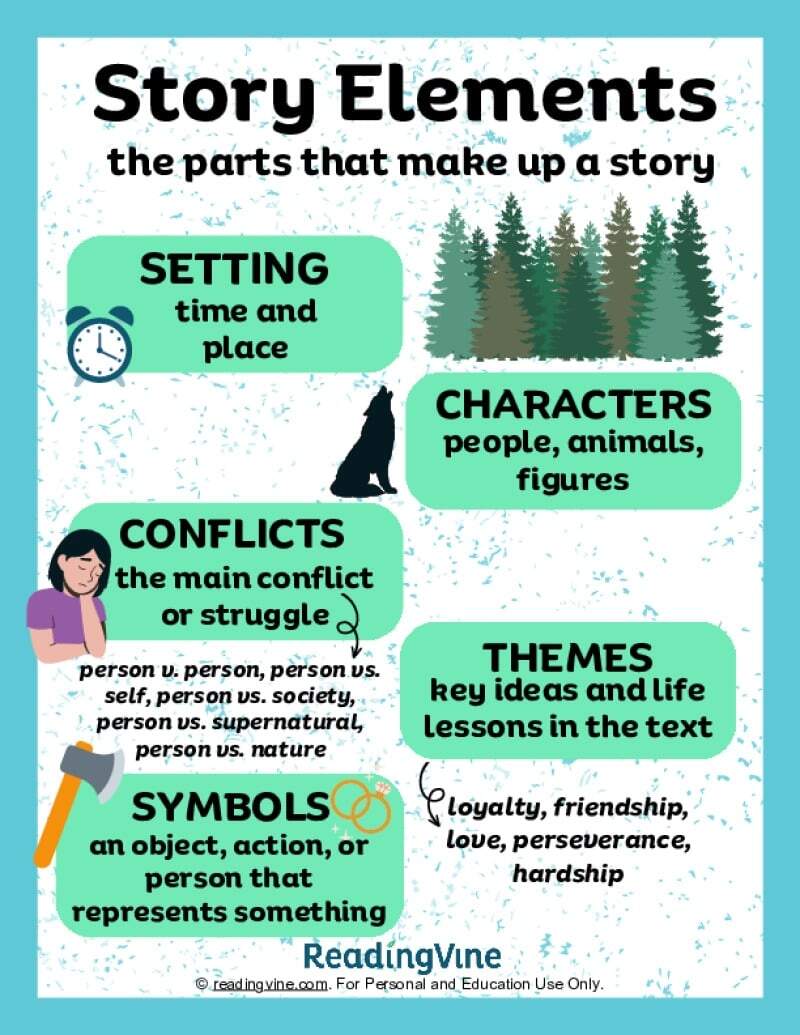
Story Elements Anchor Chart ReadingVine
Understanding Story Elements
To grasp the concept of story elements fully, it’s essential to understand what each component brings to the story. Characters, for instance, are the heart of the narrative, driving the plot forward with their actions and decisions. The setting provides the backdrop against which the story unfolds, influencing character interactions and plot developments. Theme, on the other hand, is the underlying message or idea that the story conveys, often reflecting real-world issues or moral lessons. By understanding these elements, writers can craft stories that are more engaging, believable, and impactful.
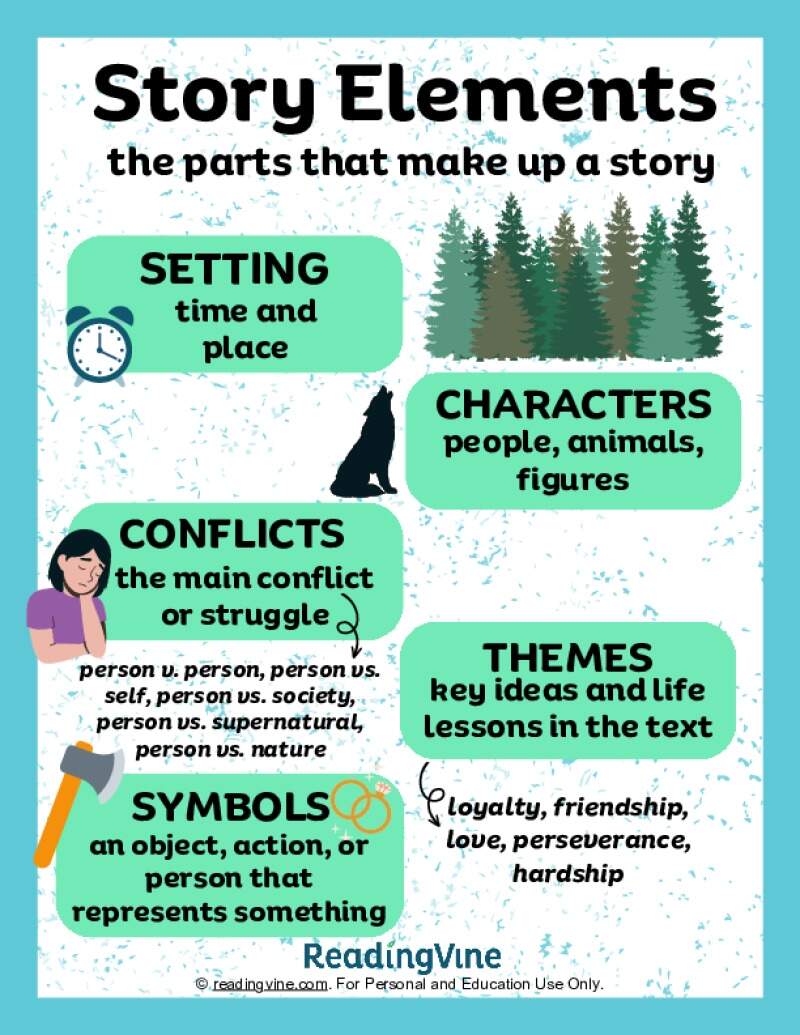
Story Elements Anchor Chart ReadingVine
Creating a Story Elements Chart
Creating a story elements chart from scratch can be a daunting task, especially for those new to storytelling or educational settings. It requires a deep understanding of narrative structures and the ability to break down complex stories into their constituent parts. However, with the advent of digital tools and educational resources, accessing pre-designed story elements charts has become easier. These charts can be tailored to specific needs, whether it’s for teaching a class about literature or for personal writing projects, offering a flexible and efficient way to analyze and create stories.
Using a Story Elements Chart Printable
Using a story elements chart printable can significantly enhance the storytelling process. These printables are designed to be user-friendly, providing clear sections for each story element. They can be used in educational settings to help students dissect and understand their favorite books or to guide them in writing their own stories. For writers, a story elements chart printable serves as a valuable outline tool, ensuring that all aspects of the narrative are well-planned and coherent. The printable nature of these charts also makes them accessible for group work or brainstorming sessions, facilitating collaboration and idea-sharing among team members or classmates.
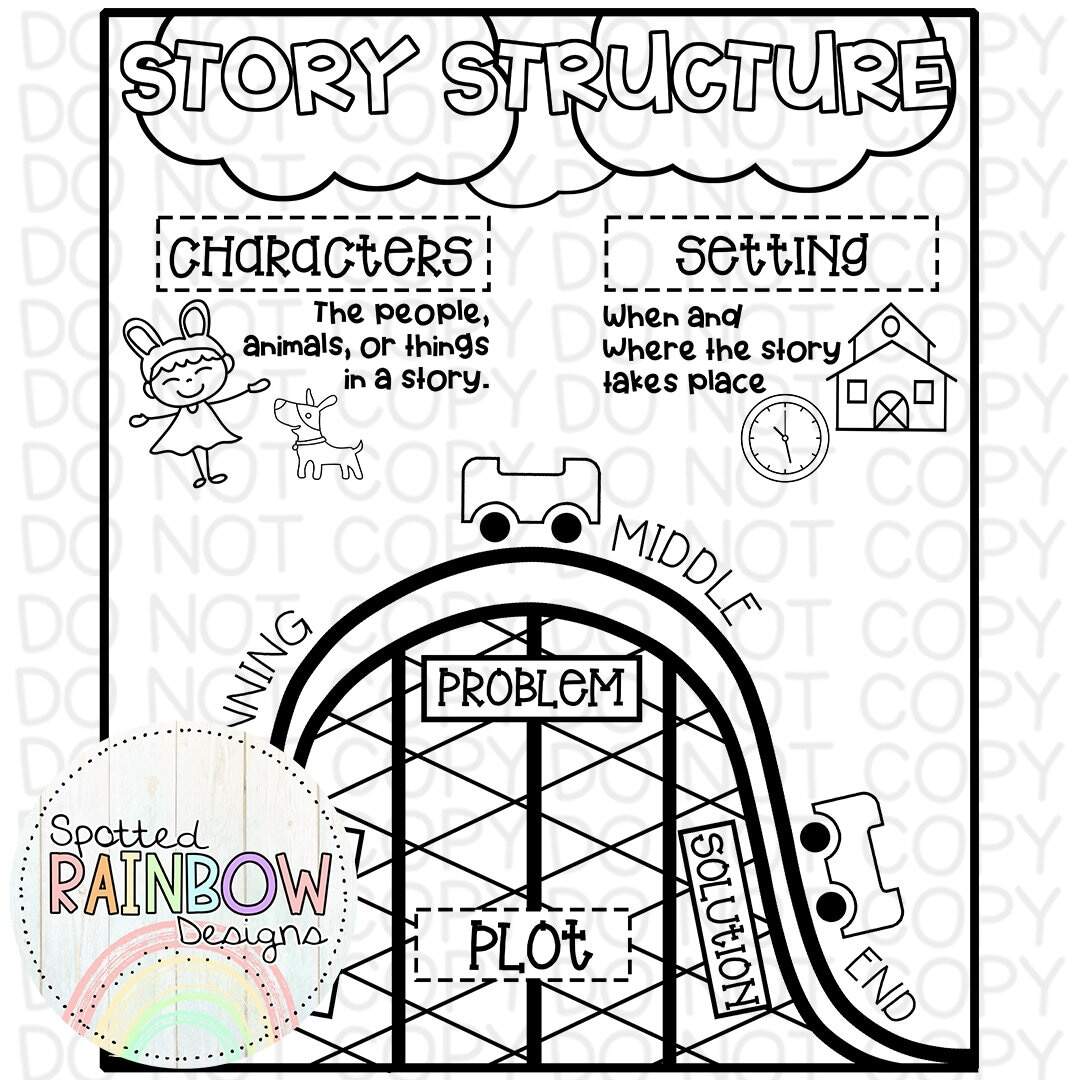
DIY Printable Traceable Anchor Chart Template Story Structure Plot Classroom Tools Graphic Organizer 2nd Grade Reading Teacher Etsy
In conclusion, a story elements chart printable is a versatile and indispensable tool for anyone involved in storytelling. Whether you’re an aspiring writer looking to improve your craft, an educator seeking to teach the art of storytelling, or simply a literature enthusiast wanting to deepen your understanding of your favorite books, this resource can provide significant benefits. By leveraging the power of story elements charts, individuals can unlock new levels of creativity, critical thinking, and analytical skills, ultimately enriching their engagement with stories and enhancing their ability to tell compelling narratives.
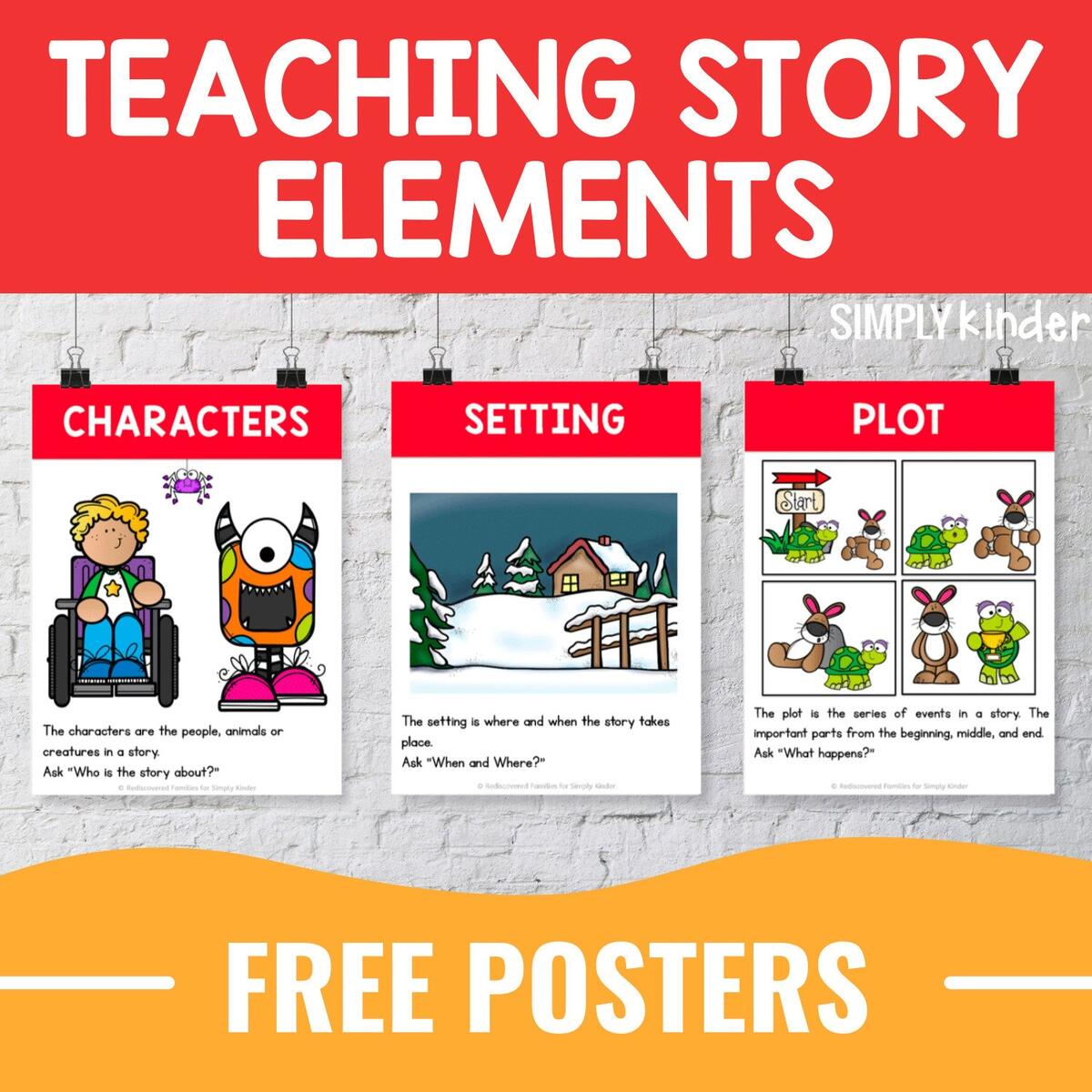
Teaching Story Elements Free Literacy Posters Simply Kinder
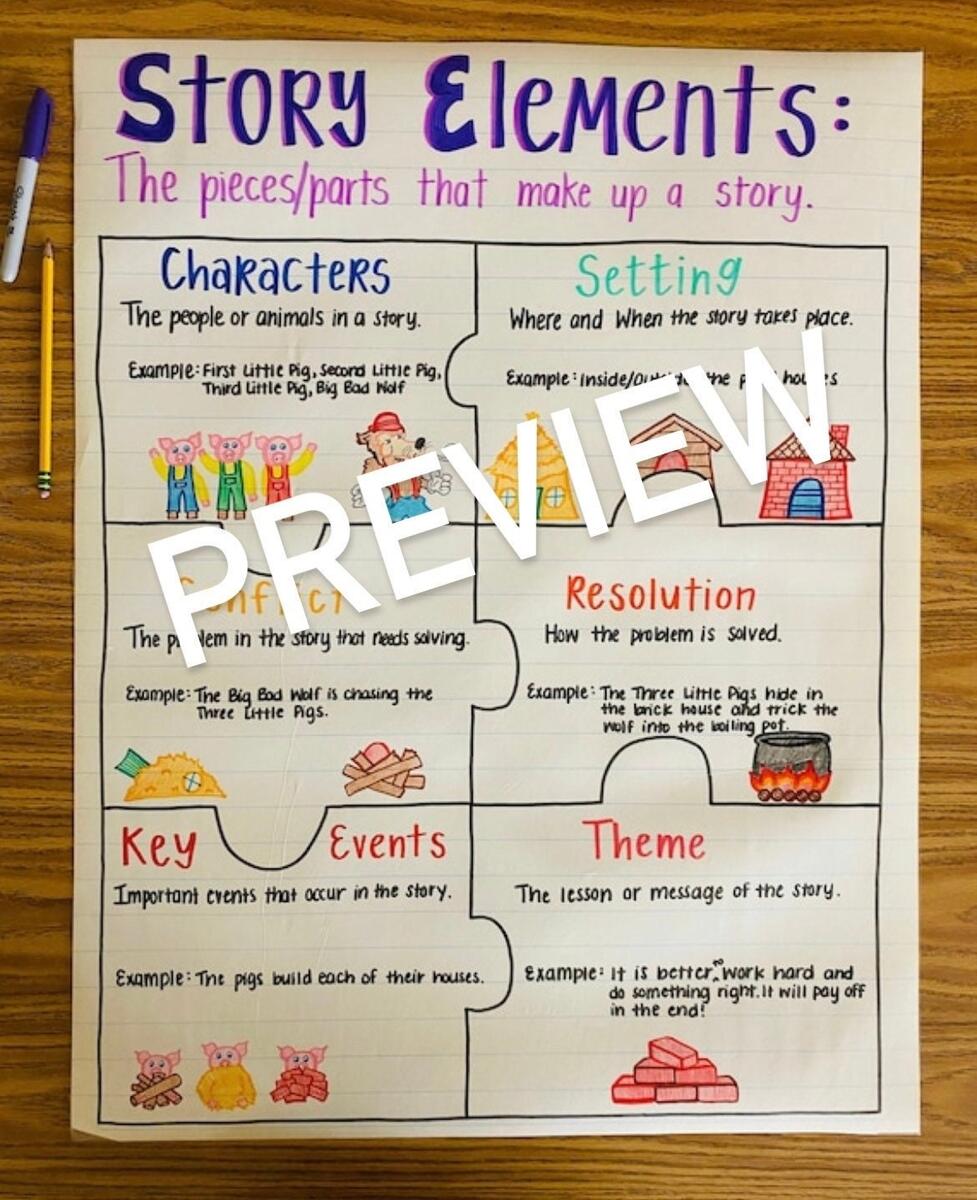
Story Elements Anchor Chart Etsy